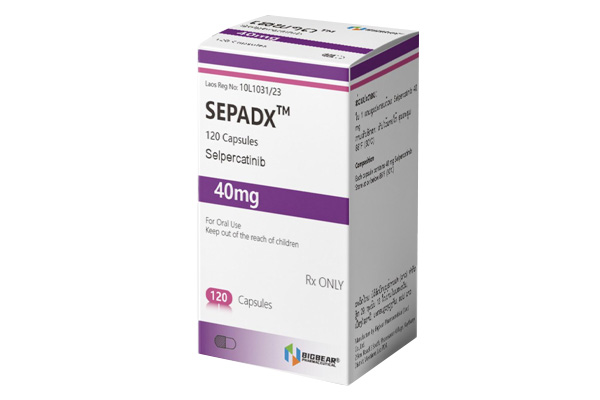
On May 8, 2020, the U.S. Food and Drug Administration (FDA) accelerated the approval of the oral kinase inhibitor Retevmo (selpercatinib; LillyOncology) for the treatment of metastatic non-small cell lung cancer (NSCLC) and multiple types of metastatic thyroid cancer associated with RET fusions or mutations, as determined by FDA-approved tests. Retevmo is the first drug specifically approved for patients with cancers associated with RET mutations or fusions.
The approval of Retevmo (selpercatinib) is based on the results of a clinical trial in patients with three types of tumors associated with RET fusions or mutations, including patients with metastatic NSCLC and RET fusions or mutations, and patients with two different types of metastatic thyroid cancer.
This study included 105 adults with NSCLC and RET fusions who had previously received chemotherapy. Overall, 64% of patients responded to Retevmo treatment, and the majority of patients (81%) had a response lasting 6 months or longer. This included 39 patients with NSCLC and RET fusions who had not previously received any lung cancer treatment. The study also included patients with metastatic thyroid cancer who showed similar positive responses to Retevmo (selpercatinib).
The most common side effects of Retevmo (selpercatinib) were increased laboratory test results, including AST, ALT, and blood glucose levels; decreased white blood cell count, albumin, and calcium levels; dry mouth; diarrhea; increased creatinine, alkaline phosphatase, and high blood pressure; fatigue; swelling of the body or extremities; low platelet count; increased cholesterol; rash; constipation; and decreased sodium levels.
Serious side effects of Retevmo (selpercatinib) included liver side effects, increased blood pressure, abnormal heartbeat, bleeding, and allergic reactions. For patients experiencing liver side effects, Retevmo should be temporarily or permanently discontinued.