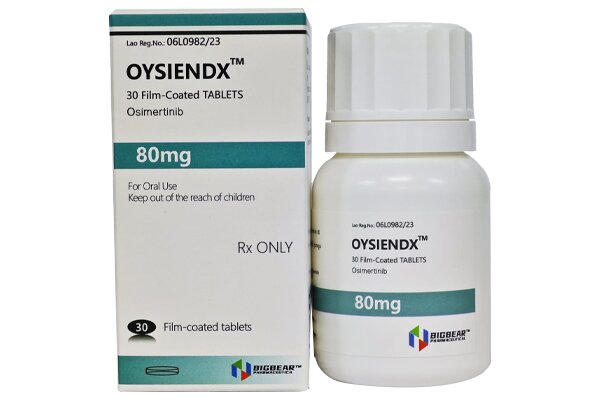
During treatment with Osimertinib, various side effects may occur. If you are unable to determine whether the side effects are serious, please consult your doctor promptly.
Serious Side Effects of Osimertinib
If you experience any of the following side effects while taking Osimertinib, seek medical attention immediately or contact your doctor:
1. More Common Side Effects
Anxiety; cough; dizziness, lightheadedness, or fainting; eye or vision changes; fast, pounding, or irregular heartbeat; pain in the chest, groin, or legs (especially the calves); pain, redness, or swelling in the arms or legs; slurred speech; sudden loss of coordination; sudden, severe headache; sudden, severe weakness or numbness in the arms or legs; difficulty breathing.
2. Less Common Side Effects
Blurred vision; chills; fever; general feeling of discomfort or illness; inability to speak; seizures; sneezing; sore throat; sudden, severe weakness on one side of the body; temporary blindness; thickened bronchial secretions.
3. Rare Side Effects
Chest pain or tightness; red, irritated, or painful eyes; headache; swollen or painful glands; unusual bleeding or bruising.
4. Side Effects with Unknown Frequency
Blistering, peeling, or loosening of the skin; diarrhea; itching; joint or muscle pain; red skin lesions (often with a purple center); sore throat; mouth or lip ulcers or white patches; unusual tiredness or weakness.
Other Side Effects of Osimertinib
The following side effects of Osimertinib are usually mild and may not require medical attention. If they persist, become bothersome, or if you have any questions about them, please consult your doctor:
Back pain; nail or toenail changes (including brittleness, inflammation, pain, redness, tenderness, separation of the nail plate, or nail loss); constipation; decreased appetite; nausea; rash or dry skin; swelling or inflammation of the mouth.
Management of Osimertinib Side Effects for Healthcare Professionals
1. Hematologic Adverse Reactions
Very common (≥10%): lymphopenia (63%), thrombocytopenia (54%), anemia (44%), neutropenia (33%).
2. Gastrointestinal
Very common (≥10%): diarrhea (42%), nausea (17%), decreased appetite (16%), constipation (15%), stomatitis (12%), vomiting (11%).
3. Skin
Very common (≥10%): rash (e.g., generalized, erythematous, maculopapular, papular, pustular), erythema, folliculitis, acne, dermatitis, acneiform dermatitis (58%), dry skin (e.g., eczema, cracked skin, xerosis) (36%), nail toxicity (e.g., nail and nail bed disorders, nail bed inflammation, nail bed tenderness, nail discoloration, nail dystrophy, nail infection, nail ridging, nail fragility, onycholysis, nail loss, paronychia) (35%), pruritus (17%).
Post-marketing reports: erythema multiforme (EM), Stevens-Johnson syndrome (SJS), cutaneous vasculitis.
4. Metabolic
Very common (≥10%): hyponatremia (26%), hypermagnesemia (20%).
5. Ocular
Very common (≥10%): ocular disorders (e.g., dry eye, blurred vision, keratitis, cataract, eye irritation, blepharitis, eye pain, increased lacrimation, floaters) (18%).
Uncommon (0.1%-1%): other ocular toxicities.
6. Respiratory
Very common (≥10%): cough (17%), dyspnea (13%).
Common (1%-10%): interstitial lung disease (ILD)/pneumonitis, pneumonia.
7. Other
Very common (≥10%): fatigue (22%).
8. Musculoskeletal
Very common (≥10%): back pain (13%).
9. Nervous System
Very common (≥10%): headache (10%).
Common (1%-10%): stroke/cerebral hemorrhage.
10. Cardiovascular
Common (1%-10%): cardiomyopathy, venous thromboembolism (including deep vein thrombosis, jugular vein thrombosis, and pulmonary embolism).
Frequency not reported: QT interval prolongation.