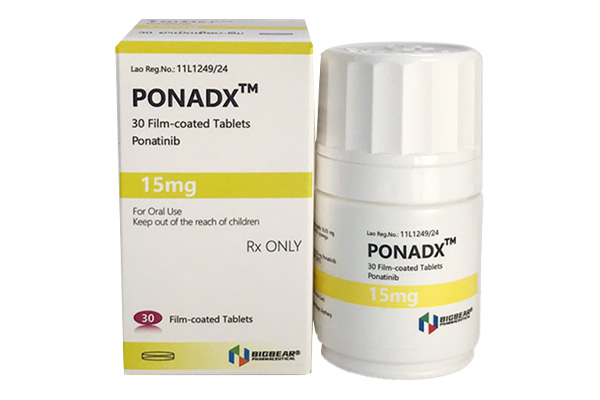
Ponatinib is a tyrosine kinase inhibitor, and its treatment may be accompanied by a range of side effects, some of which can be quite serious.
Side Effects of Ponatinib
1. Cardiovascular and Thrombotic Events
(1) Arterial Occlusive Events (AOEs): These include myocardial infarction, stroke, and severe peripheral vascular disease. They can occur in patients with or without cardiovascular risk factors, and there have even been reports of death.
(2) Venous Thromboembolic Events (VTEs): Such as deep vein thrombosis and pulmonary embolism.
(3) Heart Failure: New or worsening heart failure may occur, which can be fatal in severe cases.
(4) Hypertension: Common and potentially serious, including hypertensive crisis.
(5) Arrhythmias: Atrial fibrillation, bradycardia, and tachycardia may occur.
2. Liver and Pancreatic Toxicity
(1) Hepatotoxicity: Ponatinib may cause abnormal liver function, liver failure, and even death.
(2) Pancreatitis: Common and potentially serious, often accompanied by elevated serum lipase and abdominal pain.
3. Other Common Adverse Reactions
(1) Bone marrow suppression: Leads to neutropenia, thrombocytopenia, and anemia, potentially increasing the risk of infection and bleeding.
(2) Neurotoxicity: Manifests as peripheral neuropathy or cranial nerve neuropathy (e.g., paresthesia, weakness).
(3) Hemorrhage: May cause serious or even fatal bleeding events.
(4) Fluid retention and edema: May manifest as peripheral edema, pleural effusion, pericardial effusion, etc.
(5) Ocular toxicity: May cause serious vision problems such as retinal vein occlusion.
(6) Skin reactions: Commonly seen are rashes and dry skin.
Ponatinib Side Effect Management
1. Dosage Adjustment and Discontinuation
Most moderate to severe adverse reactions (such as specific grades of hypertension, pancreatitis, myelosuppression, neuropathy, etc.) are managed by temporarily discontinuing ponatinib treatment. Treatment can be restarted at a reduced dose once symptoms have subsided to a certain extent. For life-threatening events (such as grade 4 AOEs, conditional hepatotoxicity), permanent discontinuation is usually required.
2. Targeted Monitoring and Supportive Treatment
(1) Regular Monitoring: During treatment, blood pressure, complete blood count, liver function (ALT/AST), serum lipase/amylase should be monitored regularly, and baseline and regular ophthalmological examinations should be performed.
(2) Symptomatic Treatment:
Hypertension: Blood pressure should be actively controlled with antihypertensive medication.
Pancreatitis: Symptomatic pancreatitis requires fasting, fluid support, and strict adherence to guidelines for medication adjustments.
Myelosuppression: Depending on blood test results, medications to increase white blood cell and platelet counts may be necessary, along with active prevention and treatment of infection.
Fluid retention: Diuretics can be used; severe pleural/pericardial effusion requires paracentesis.
Ponatinib Drug Interactions
1. Drugs to be avoided or used with caution:
(1) Potent CYP3A4 inhibitors: such as ketoconazole, itraconazole, clarithromycin, ritonavir, etc. Concomitant use will significantly increase ponatinib blood concentration, increasing the risk of adverse reactions. Concomitant use should be avoided. If unavoidable, the ponatinib dose should be reduced according to the package insert (Table 3).
(2) Potent CYP3A4 inducers: such as rifampin, phenytoin sodium, carbamazepine, St. John's wort, etc. Concomitant use will significantly decrease ponatinib blood concentration, potentially affecting efficacy. Concomitant use should be avoided.
(3) Medications affecting bleeding risk: Because ponatinib itself carries a bleeding risk, extra caution should be exercised when using it concurrently with anticoagulants (such as warfarin), antiplatelet drugs (such as aspirin and clopidogrel), or nonsteroidal anti-inflammatory drugs (NSAIDs).
2. Other interaction precautions
(1) Food: Ponatinib can be taken with or without food, but grapefruit or grapefruit juice should be avoided as it may inhibit CYP3A4 and increase ponatinib exposure.
(2) Gastric acid inhibitors: Studies have shown that proton pump inhibitors (such as lansoprazole) have little effect on ponatinib exposure; no dose adjustment is required when used concurrently.