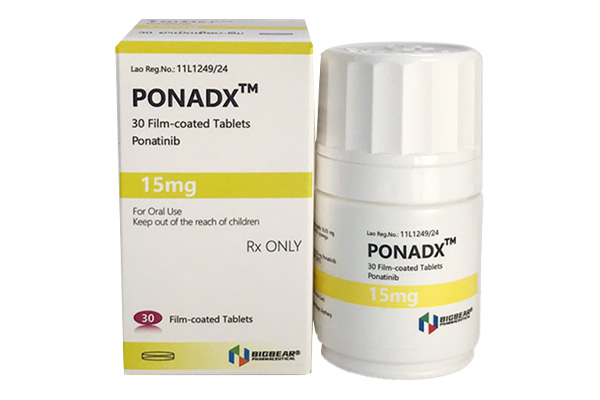
In addition to its desired effects, ponatinib may cause some adverse reactions. While not all of these side effects will occur, if they do, medical attention may be required.
Serious Side Effects of Ponatinib
1. Common Side Effects
Bladder pain, bleeding gums, swelling or edema of the face, arms, hands, legs, or feet, blurred vision, chest pain, chills, cloudy urine, confusion, constipation, cough or hoarseness, coughing up blood, decreased urine output, difficulty urinating, burning or painful urination, difficulty breathing or swallowing, dilated jugular veins, dizziness, syncope, frequent urination, increased menstrual flow or vaginal bleeding, indigestion, irregular breathing, joint pain, stiffness or swelling, lightheadedness, pain in the lower back, side of the body, or stomach, nervousness, nosebleeds.
1. Chest, groin, or leg pain (especially the calves); stomach, side, or abdominal pain (possibly radiating to the back); pale skin, numbness, pinpoint red spots on the skin, throbbing in the ear, prolonged bleeding after a cut, rapid weight gain, rapid, shallow breathing, red or black tarry stools, red or dark brown urine, sudden severe headache, slow or fast heartbeat, sore throat, sudden loss of coordination, sudden slurred speech, sudden visual changes, tingling in the hands and feet, oral ulcers, sores, or white patches, abnormal bleeding or bruising, abnormal weight gain or loss.
2. Less common side effects:
Anxiety, burning, numbness, tingling, or pain; chest discomfort; rapid, strong, or irregular heartbeat or pulse; pain, redness, or swelling in the arms or legs; unsteadiness or clumsiness; weakness in the arms, hands, legs, or feet.
Other Side Effects of Ponatinib
Taking ponatinib may cause some side effects that usually do not require medical attention. These side effects may disappear during treatment as your body adapts to the drug. Additionally, your healthcare professional may advise you on how to prevent or reduce certain side effects.
Side Effects of Ponatinib That Require Immediate Consultation with a Doctor
Common Side Effects
Back or bone pain, chapped lips, difficulty defecating, difficulty moving, dry, itchy, painful, red, swollen, tender, or hot skin, fatigue or weakness, muscle aches, pains, or stiffness, nasal congestion or runny nose.
Side Effect Management for Healthcare Professionals
1. General Adverse Events
One safety analysis showed a significant increase in grade 3 or higher adverse events (thrombocytopenia, neutropenia, rash, elevated ALT/AST, pancreatitis, elevated lipase) with increasing dose intensity.
2. Cardiovascular System
(1) Very common (10% or more): Hypertension (74%), elevated blood pressure (68%), arterial ischemia (42%), arterial occlusion (35%), hemorrhage (28%), arrhythmia (19%), heart failure/left ventricular dysfunction (15%)
(2) Common (1% to 10%): Venous thromboembolism, atrial fibrillation, myocardial infarction, myocardial ischemia, congestive heart failure, coronary artery disease, angina pectoris, decreased ejection fraction, acute coronary syndrome, atrial flutter, peripheral artery occlusive disease, peripheral ischemia, peripheral artery stenosis, intermittent claudication, deep vein thrombosis, hot flashes, facial flushing, palpitations, poor peripheral circulation, splenic infarction.
(3) Uncommon (0.1% to 1%): Hypertensive crisis, renal artery stenosis, cardiac discomfort.
(4) Frequency not reported: Ischemic cardiomyopathy, coronary artery spasm.
3. Skin and Subcutaneous Tissue
(1) Very common (10% or more): Rash and related symptoms (63%), dry skin (42%), pruritus (13%), hair loss (11%), cellulitis (11%), erythema (10%).
(2) Common (1% to 10%): Folliculitis, skin peeling, night sweats, hyperhidrosis, petechiae, ecchymosis, skin pain, exfoliative dermatitis, hyperkeratosis, hyperpigmentation.
4. Blood and Lymphatic System
(1) Very common (10% or more): Leukopenia (63%), bone marrow suppression (59%), neutropenia (59%), febrile neutropenia (25%), anemia (52%), thrombocytopenia (49%), lymphopenia (32%).
(2) Common (1% to 10%): Pancytopenia.
5. Endocrine System
(1) Very common (10% or more): Elevated blood glucose (54%), hypoglycemia (13%).
(2) Common (1% to 10%): Hypothyroidism.
6. Gastrointestinal System
(1) Very common (10% or more): Constipation (53%), abdominal pain (48%), elevated lipase (42%), nausea (34%), diarrhea (29%), vomiting (27%), stomatitis (23%), elevated amylase (18%).
(2) Common (1% to 10%): Gastrointestinal bleeding, pancreatitis, gastroesophageal reflux disease, stomatitis, indigestion, abdominal distension, abdominal discomfort, dry mouth.
(3) Frequency not reported: Gastrointestinal fistula, gastrointestinal perforation.
7. Systemic Reactions and Administration Sites
(1) Very common (10% or more): Asthenia/fatigue (49%), fever (40%), peripheral edema (25%), pain (60%), chills (13%), sepsis (13%).
(2) Common (1% to 10%): Effusions (pericardial effusion, pleural effusion, ascites), flu-like illness, peripheral swelling, non-cardiac chest pain, facial edema, malaise.
8. Nervous System
(1) Very common (10% or more): Headache (43%), peripheral neuropathy (24%), dizziness (16%).
(2) Common (1% to 10%): Cranial nerve lesions, cerebrovascular accident, cerebral infarction, somnolence, migraine, hyperesthesia, hypoesthesia, paresthesia, transient ischemic attack.
(3) Uncommon (0.1% to 1%): Cerebral artery stenosis, cerebral hemorrhage, intracranial hemorrhage. (4) Post-marketing report: Reversible posterior leukoencephalopathy syndrome/posterior reversible encephalopathy syndrome.
9. Hepatobiliary system
(1) Very common (10% or more): Elevated alanine aminotransferase (41%), elevated alkaline phosphatase (40%), elevated aspartate aminotransferase (35%), hepatotoxicity (29%), decreased albumin (27%), elevated bilirubin (13%).
(2) Common (1% to 10%): Elevated gamma-glutamyl transferase.
(3) Uncommon (0.1% to 1%): Liver failure, jaundice.
(4) Frequency not reported: Acute liver failure.
10. Nutritional and Nutritional Disorders
(1) Very common (10% or more): Decreased phosphorus (33%), decreased calcium (30%), decreased appetite (31%), fluid retention (31%), decreased sodium (27%), increased creatinine (21%), decreased bicarbonate (19%), increased potassium (19%), decreased potassium (18%), weight loss (13%), increased calcium (12%), increased sodium (10%).
(2) Common (1% to 10%): Hypertriglyceridemia, dehydration, elevated cholesterol.
(3) Uncommon (0.1% to 1%): Tumor lysis syndrome.
11. Musculoskeletal and Connective Tissue Disorders
(1) Very common (10% or more): Arthralgia (33%), myalgia (24%), limb pain (23%), back pain (21%), bone pain (14%), muscle spasms (14%), musculoskeletal pain (11%). (2) Common (1% to 10%): Neck pain, musculoskeletal chest pain.
12. Respiratory, Chest, and Mediastinal Diseases
(1) Very Common (10% or more): Cough (22%), Dyspnea (20%), Pleural effusion (19%), Nasopharyngitis (18%), Pneumonia (16%), Upper respiratory tract infection (14%).
(2) Common (1% to 10%): Epistaxis, Dysphonia, Pulmonary hypertension, Pulmonary embolism.
13. Kidney and Urinary System
(1) Very Common (10% or more): Urinary tract infection (14%).
(2) Common (1% to 10%): Hyperuricemia.
14. Mental Illnesses
(1) Very Common (10% or more): Insomnia (13%).
(2) Common (1% to 10%): Confusion, Erectile dysfunction.
15. Eye Diseases
(1) Very common (10% or more): Ocular toxicity (14%; including conjunctival irritation, corneal erosion/abrasion, dry eye, conjunctivitis, conjunctival hemorrhage, hyperemia, eye pain).
(2) Common (1% to 10%): Blurred vision, periorbital edema, eyelid edema, visual impairment, retinal toxicity (macular edema, retinal vein occlusion/thrombosis, retinal artery occlusion, retinal hemorrhage).
(3) Uncommon (0.1% to 1%): Vision loss.