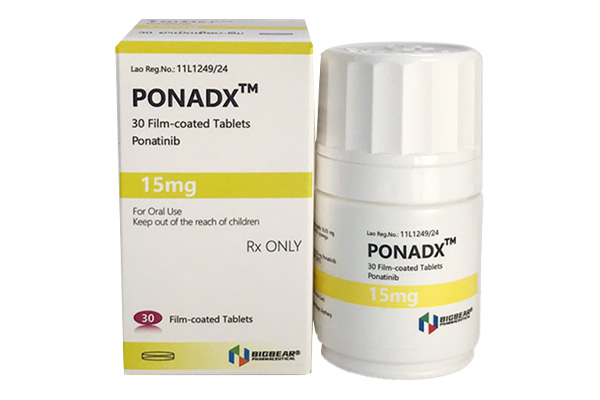
Ponatinib is an oral medication mainly used for the treatment of specific types of chronic myeloid leukemia and acute lymphoblastic leukemia. It inhibits tumor cell proliferation by targeting and suppressing the activity of BCR-ABL fusion protein (including the T315I mutant) and multiple other kinases (such as VEGFR, PDGFR, FGFR, etc.), thereby blocking abnormal signal transduction.
Common Side Effects and Risk Management
Cardiovascular Risks
Ponatinib may cause hypertension and arterial thrombosis (e.g., myocardial infarction, stroke), with an incidence rate of approximately 20%–30%. Blood pressure and cardiovascular symptoms should be monitored regularly during treatment.
Hematologic Toxicity
Hematologic toxicity includes thrombocytopenia and neutropenia. Routine blood tests should be performed periodically.
Other Side Effects
Other adverse reactions include pancreatitis, liver function abnormalities, and rash. Dose adjustment or temporary treatment interruption may be required based on symptoms.
Administration Precautions
Contraindications
Ponatinib is contraindicated in patients with hypersensitivity to any component of the product, uncontrolled severe cardiovascular disease, or active bleeding.
Dose Adjustment
The initial dose is usually 45 mg once daily, which may be gradually reduced to 15 mg daily according to efficacy and side effects. Treatment interruption is necessary in case of severe toxicity.
Drug Interactions
Concomitant use with strong CYP3A4 inhibitors (e.g., clarithromycin) may increase plasma concentrations of ponatinib, requiring dose adjustment.
Special Populations
Caution should be exercised when used in pregnant women, lactating women, and pediatric patients due to the lack of long-term safety data.
Storage and Patient Management
Store protected from light at a temperature below 30°C, and keep the tablets dry.Patients must strictly follow medical advice, and regularly recheck blood counts, liver and kidney function, and cardiac function. Immediate medical attention is required for symptoms such as chest pain or dyspnea.
Ponatinib plays an important role in the treatment of refractory leukemia; however, it carries a high risk of side effects and should be used only after a benefit-risk assessment under the guidance of a qualified physician.