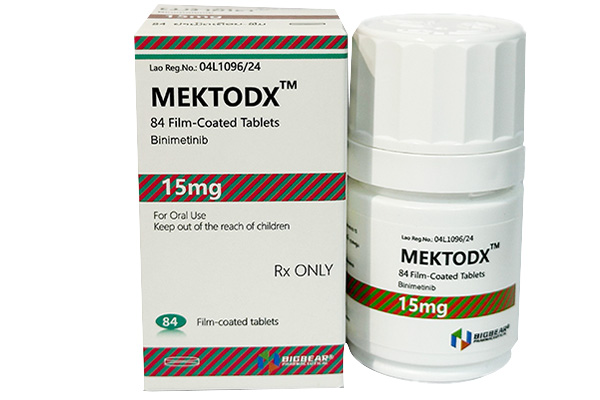
During treatment with Binimetinib, different side effects may occur. If you have limited knowledge about the side effects of Binimetinib, please consult your doctor promptly.
Serious Side Effects of Binimetinib
Seek immediate medical attention if you experience any of the following side effects while using Binimetinib:
1. More Common Side Effects
Bleeding gums, coughing up blood, prolonged bleeding from wounds; swelling (edema) of the face, arms, hands, lower legs, or feet; blurred vision or other vision changes; chest pain or tightness; difficulty breathing or swallowing; bulging neck veins; dizziness; fever; headache; hoarseness; increased menstrual flow or abnormal vaginal bleeding; irregular breathing; irregular heartbeat (irregular, slow, or fast pulse); irritability, nervousness; nosebleeds; paralysis; tinnitus (pulsating sound in the ears); rapid weight gain; red or black, tarry stools; red or dark brown urine; skin redness; stomach cramps, tenderness; tingling in the hands and feet; difficulty seeing; unusual tiredness or weakness; abnormal weight gain or loss; watery or bloody diarrhea.
2. Rare Side Effects
Dark urine; muscle cramps, twitching, pain, or stiffness.
Other Side Effects of Binimetinib
The following side effects of Binimetinib usually do not require medical intervention. If they persist or interfere with daily life, please consult your doctor:
Constipation; diarrhea; nausea; abdominal pain; vomiting.
Side Effect Management for Healthcare Professionals – Binimetinib
1. Hematologic Adverse Reactions
Very common (≥10%): anemia (36%), hemorrhage (19%), leukopenia (13%), lymphedema (13%), neutropenia (13%).
Common (1%-10%): venous thromboembolism (VTE).
2. Hypersensitivity
Common (1%-10%): hypersensitivity.
3. Musculoskeletal
Uncommon (0.1%-1%): rhabdomyolysis.
4. Ocular
Very common (≥10%): retinopathy (20%), visual impairment (20%).
Common (1%-10%): retinal detachment, macular edema, uveitis.
Uncommon (0.1%-1%): retinal vein occlusion.
5. Metabolic and Nutritional
Very common (≥10%): hyponatremia (18%), peripheral edema (13%).
6. Hepatobiliary
Very common (≥10%): gamma-glutamyltransferase increased (45%).
Common (1%-10%): alanine aminotransferase (ALT) increased, aspartate aminotransferase (AST) increased.
Uncommon (0.1%-1%): alkaline phosphatase increased.
7. Respiratory
Uncommon (0.1%-1%): interstitial lung disease.
8. General Disorders
Very common (≥10%): fatigue (43%), pyrexia (18%).
9. Nervous System
Very common (≥10%): dizziness (15%).
10. Renal and Urinary
Very common (≥10%): creatinine increased (93%), creatine phosphokinase increased (58%).
11. Cardiovascular
Very common (≥10%): hypertension (11%).
Common (1%-10%): cardiomyopathy, fatal intracranial hemorrhage (in the setting of new or progressive brain metastases).
12. Skin and Subcutaneous Tissue
Very common (≥10%): rash (22%).
Common (1%-10%): panniculitis.
13. Gastrointestinal
Very common (≥10%): nausea (41%), diarrhea (36%), vomiting (30%), abdominal pain (28%), constipation (22%).
Common (1%-10%): rectal hemorrhage, hematochezia, hemorrhoidal hemorrhage, colitis.