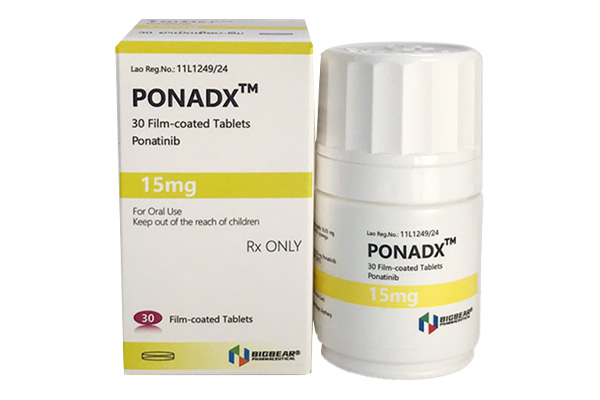
Ponatinib is an oral tyrosine kinase inhibitor primarily used to treat certain types of leukemia that are resistant to or intolerant of prior treatment.
What diseases does Ponatinib treat?
1. Philadelphia chromosome-positive (Ph+) acute lymphoblastic leukemia (ALL)
(1) Newly diagnosed Philadelphia chromosome-positive (Ph+) acute lymphoblastic leukemia (ALL): Can be used in combination with chemotherapy. This indication received accelerated approval based on the complete remission rate with minimal residual disease negativity at the end of induction therapy.
(2) Relapsed/refractory Philadelphia chromosome-positive (Ph+) acute lymphoblastic leukemia (ALL): As monotherapy, for patients for whom no alternative tyrosine kinase inhibitor is applicable or who have a T315I mutation.
2. Chronic myeloid leukemia (CML)
(1) Chronic phase chronic myeloid leukemia (CML): For patients who are resistant to or intolerant to at least two prior tyrosine kinase inhibitors.
(2) Accelerated or blast crisis chronic myeloid leukemia (CML): For patients for whom no alternative tyrosine kinase inhibitor is suitable.
(3) T315I mutation-positive chronic myeloid leukemia (CML): For chronic, accelerated, or blast crisis.
Important limitation: Ponatinib is not recommended and is not suitable as first-line treatment for newly diagnosed chronic phase CML patients due to a significantly increased risk of serious adverse reactions in first-line clinical trials.
Adverse reactions of Ponatinib
1. Vascular events (warning risks)
(1) Arterial occlusion events: Including myocardial infarction, stroke, peripheral vascular disease, etc., which may be fatal. The risk increases with age.
(2) Venous thromboembolic events: Such as deep vein thrombosis, pulmonary embolism, etc.
2. Cardiac-related toxicities
(1) Heart failure: May be new-onset or worsening, and can be fatal in severe cases.
(2) Arrhythmias: Including atrial fibrillation, tachycardia, etc. 3. Hepatotoxicity
Can lead to abnormal liver function, liver failure, and even death. Liver function needs to be monitored regularly during treatment.
4. Other Common Adverse Reactions
(1) Hypertension: Common and potentially serious; blood pressure needs to be monitored and managed regularly.
(2) Pancreatitis: Often accompanied by elevated serum lipase; regular monitoring is required.
(3) Bleeding: May be serious and even fatal, especially in patients with thrombocytopenia.
(4) Bone marrow suppression: Leads to a decrease in neutrophils, platelets, and hemoglobin, increasing the risk of infection and bleeding.
(5) Neurotoxicity: Such as peripheral neuropathy, headache, etc.
(6) Fluid retention: Manifests as edema, pleural effusion, etc.
(7) Ocular toxicity: May cause blurred vision, dry eye, and in severe cases, retinal vein occlusion.
Precautions for Ponatinib
1. Arterial occlusion events
Monitor cardiovascular symptoms; discontinue or stop the medication if necessary.
2. Hepatotoxicity
Monitor liver function regularly and adjust dosage if abnormalities occur.
3. Hypertension
Monitor blood pressure during treatment and discontinue medication if it is poorly controlled.
4. Pancreatitis
Monitor serum lipase regularly and assess for pancreatitis if accompanied by abdominal pain.
5. Embryo-fetal toxicity
Women of childbearing age should use effective contraception.