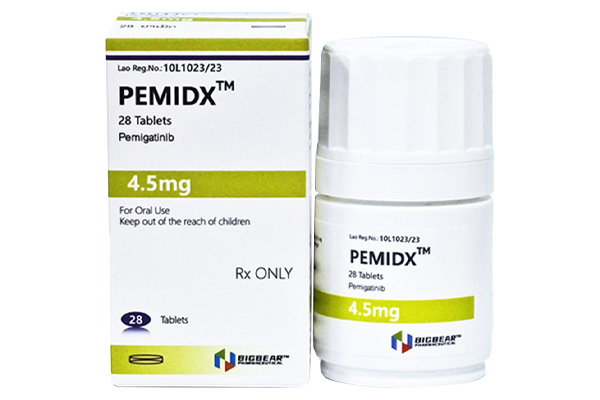
While pemigatinib exerts its therapeutic effect, it may also cause different types and degrees of adverse reactions due to individual differences in physical condition. Users should monitor their condition closely and consult a doctor promptly.
Serious Adverse Reactions of Pemigatinib
In addition to its therapeutic effect, the active ingredient pemigatinib may cause the following adverse reactions requiring medical intervention. Not all reactions will occur, but if any occur, immediate medical attention should be sought:
1. Common Adverse Reactions (≥10%)
Urinary System: Bladder pain, hematuria/cloudy urine, difficulty/burning sensation during urination, urinary frequency.
Cardiovascular System: Increased heart rate, arrhythmia, dizziness/syncope.
Ocular System: Dry eye, red or painful eyes, flashes of light, partial or complete obstruction of visual field, with particular attention to more serious complications such as retinal detachment.
Skin: Nail changes/loosening, periungual redness and swelling, pale/wrinkled skin.
Nervous System: Confusion, numbness/tingling in limbs, tremors, seizures.
Other: Bone pain, muscle cramps, unusual fatigue, weight loss.
2. Severe Reactions Requiring Emergency Treatment
Temperature breathing (may indicate pulmonary embolism), abnormal bleeding/bruising (signs of thrombocytopenia), lower extremity edema (risk of heart failure), severe abdominal pain (possible intestinal perforation).
3. Precautions
However, if visual symptoms such as flashes of light or visual field abnormalities occur, an ophthalmologist should be consulted within 24 hours. Persistent hematuria or painful urination should rule out cystitis. Electrolyte monitoring is especially important for patients with muscle cramps accompanied by muscle weakness.
Common Tolerable Adverse Reactions of Pemigatinib
Most adverse reactions gradually subside with treatment and do not require immediate medical intervention. Our medical team can provide advice on prevention or relief. Please consult us promptly if symptoms persist or affect your daily life:
1. Digestive System Reactions
Acid reflux/heartburn, bloating (facial/limb edema), constipation or diarrhea, nausea and vomiting, oral mucosal inflammation.
2. Skin and Joint Reactions
Dry, flaky skin (especially hands and feet), temporary hair loss, joint pain with limited mobility.
3. Other Reversible Reactions
Changes in taste/loss of taste, rapid weight fluctuations, skin erythema or ulcers.
4. Monitoring Recommendations
Weekly weight monitoring is important to detect edema. Use gentle skincare products to alleviate dry skin caused by dehydration. Also, try to eat smaller, more frequent meals to reduce gastrointestinal discomfort and help control weight.
Recommendations for healthcare professionals regarding the management of pemigatinib side effects
1. Common adverse reactions
The most common adverse reactions include: hyperphosphatemia (74%), alopecia (59%), diarrhea (50%), nail toxicity (62%), fatigue (44%), taste disturbance (40%), nausea (40%), constipation (35%), stomatitis (53%), dry eye (50%), dry mouth (34%), and decreased appetite (…). 33%), vomiting (27%), joint pain (25%), abdominal pain (35%), hypophosphatemia (23%), back pain (24%), dry skin (24%), rash (35%), anemia (35%), epistaxis (29%), retinal pigment epithelium detachment (26%), limb pain (26%), indigestion (24%), blurred vision (21%), peripheral edema (21%), palmoplantar erythema syndrome (18%), and dizziness (21%).
2. Laboratory abnormalities (≥20%)
Elevated phosphate, lymphopenia, leukopenia, elevated alkaline phosphatase, decreased hemoglobin, elevated ALT, elevated AST, neutropenia, elevated creatinine, decreased phosphate, hyponatremia, hyperglycemia, thrombocytopenia, hypocalcemia, hypercalcemia, hypokalemia, and elevated bilirubin.
3. Dermatological System
Very common (≥10%): Nail toxicity (62%), hair loss (59%), rash (35%), dry skin (24%), palmoplantar erythema syndrome (18%).
Common (1-10%): Abnormal hair growth.
Rare (0.1-1%): Skin calcification.
4. Gastrointestinal Reactions
Very common (≥10%): Stomatitis (53%), diarrhea (50%), nausea (40%), abdominal pain (35%), constipation (35%), dry mouth (34%), vomiting (27%), indigestion (24%).
5. Hematologic System
Very common (≥10%): Lymphopenia (65%), white blood cell changes (65%), decreased hemoglobin (53%), neutropenia (45%), anemia (35%), thrombocytopenia (29%).
6. Hepatotoxicity
Very common (≥10%): Elevated ALT (50%), elevated AST (47%), elevated bilirubin (26%).
7. Metabolic Abnormalities
Very common (≥10%): Hyperphosphatemia (74%), hyperglycemia (36%), decreased appetite (33%), hyperuricemia (30%), hypophosphatemia (23%).
8. Precautions
Skin calcification (including non-uremic calcification) may be associated with hyperphosphatemia.
Cases of long-term retinal pigment epithelium detachment should be treated regularly at a reputable ophthalmology clinic.
Serious adverse reactions should be managed according to the dosage adjustment protocol described above.