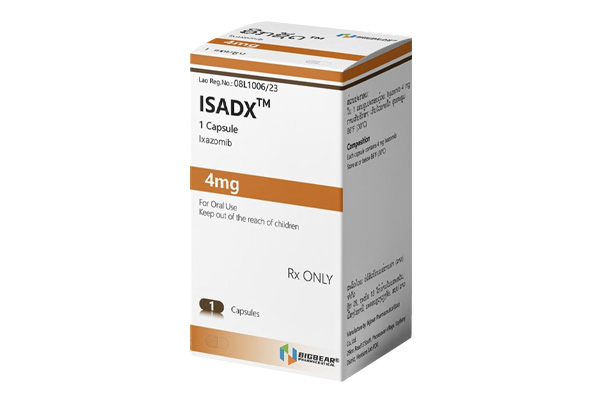
Ixazomib is an oral proteasome preparation. When used in combination with lenalidomide and dexamethasone, it can cause side effects such as diarrhea, constipation, peripheral neuropathy, nausea, peripheral edema, rash, and vomiting.
Ixazomib Side Effects
1. Hematologic Toxicity
(1) Thrombocytopenia: Incidence rate as high as 85%, with grade 3-4 severe thrombocytopenia accounting for 30%. Manifests as easy bleeding and bruising.
(2) Neutropenia: Incidence rate 74%, with grade 3-4 accounting for 34%, increasing the risk of infection.
2. Gastrointestinal Reactions
(1) Diarrhea: Incidence rate 52%, with 10% being grade 3.
(2) Constipation, nausea, and vomiting: Incidence rates 35%, 32%, and 26%, respectively.
3. Nervous System and Skin Reactions
(1) Peripheral neuropathy: Incidence rate 32%, mostly grade 1-2, manifesting as numbness, tingling, or pain in the hands and feet. (2) Skin rash: Incidence rate 27%, mostly mild to moderate.
(3) Peripheral edema: Incidence rate 27%, mostly mild.
4. Other adverse reactions
(1) Ocular abnormalities: Including cataracts (15%), conjunctivitis (9%), blurred vision (7%), etc.
(2) Herpes zoster reactivation: Incidence rate 6%, antiviral drugs are recommended for prevention.
Ixazomib Side Effect Relief Measures
1. Hematological Management
Regularly monitor complete blood counts, especially at the beginning of treatment.
If severe thrombocytopenia or neutropenia occurs, medication should be discontinued or the dosage adjusted. Blood transfusion or granulocyte colony-stimulating factor (G-CSF) may be necessary.
2. Gastrointestinal Symptom Control
Use antiemetics and antidiarrheals for symptomatic treatment.
Maintain adequate fluid intake, adjust dietary structure, and avoid irritating foods.
If symptoms persist or worsen, seek medical attention promptly to adjust the medication regimen.
3. Neurological and Skin Care
If peripheral neuropathy occurs, discontinue or reduce ixazomib use depending on the severity.
For rashes, use moisturizing creams and antihistamines. For severe rashes, consider adjusting the lenalidomide dose in combination therapy.
4. Edema and Eye Problems
Assess the cause of edema and use diuretics or adjust the dexamethasone dose if necessary.
Have regular eye examinations and treat symptoms such as dry eye and conjunctivitis promptly.
Ixazomib Drug Interactions
1. Potent CYP3A Inducers
Concomitant use of ixazomib with potent CYP3A inducers (such as rifampin, phenytoin, carbamazepine, and St. John's wort) should be avoided. In vitro studies and clinical pharmacokinetic analyses have shown that potent CYP3A inducers can accelerate the metabolism of ixazomib, reduce plasma exposure, and may lead to decreased efficacy.
2. Other Drug Interactions
(1) Potent CYP3A Inhibitors (e.g., clarithromycin): No clinically significant changes in systemic exposure to ixazomib were observed when used in combination with ixazomib, and no dose adjustment of ixazomib was required.
(2) Potent CYP1A2 Inhibitors: Based on population pharmacokinetic analysis, no clinically significant effect on systemic exposure to ixazomib was observed when used in combination with ixazomib, and no dose adjustment was required.
(3) CYP Enzyme-Related Interactions: Ixazomib is not a reversible or time-dependent inhibitor of CYP1A2, 2B6, 2C8, 2C9, 2C19, 2D6, or 3A4/5, nor does it induce the activity of these CYP enzymes or the levels of related immune response proteins. Therefore, drug interactions via CYP enzyme inhibition or induction are not expected.