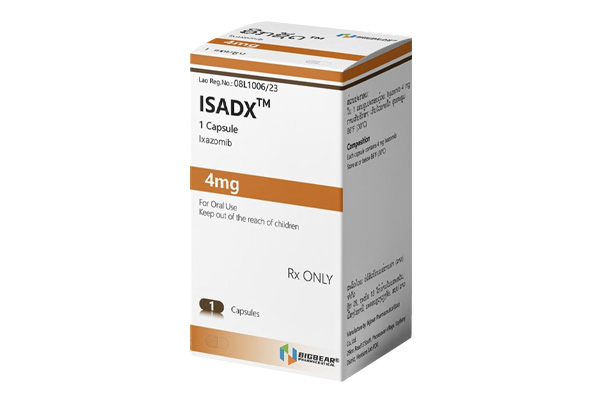
Ixazomib is an oral proteasome preparation that provides an important treatment option for patients with multiple myeloma.
What disease does ixazomib treat?
Ixazomib, in combination with lenalidomide and dexamethasone, is used to treat adult patients with multiple myeloma who have received at least one prior therapy.
It is not recommended for maintenance therapy of multiple myeloma, nor for newly diagnosed patients with multiple myeloma, unless as part of a controlled clinical trial.
Ixazomib Dosage and Administration
1. Standard Dosage Regimen
(1) Treatment Cycle: A treatment cycle is 28 days.
(2) Ixazomib: The recommended starting dose is 4 mg, orally once on days 1, 8, and 15 of each cycle.
(3) Combination Therapy: This medication must be used in combination with specific doses of lenalidomide (once daily for days 1-21) and dexamethasone (once weekly for days 1, 8, 15, and 22).
2. Key Medication Instructions
(1) Timing of Administration: Take on an empty stomach at least 1 hour before a meal or at least 2 hours after a meal to ensure absorption.
(2) Method of Administration: Swallow the whole capsule with water. Do not crush, chew, or open.
(3) Missed Dose or Vomiting: If a dose is missed, take it at least 72 hours after the next scheduled dose. If vomiting occurs after taking the medication, no additional dose is needed; continue with the next scheduled dose.
3. Dosage Adjustment Principles
(1) Patients with Hepatic or Renal Impairment: For patients with moderate or severe liver damage, severe kidney damage, or requiring dialysis, the starting dose should be reduced to 3 mg.
(2) Adverse Reaction Management: In cases of specific adverse reactions such as thrombocytopenia, neutropenia, peripheral neuropathy, and rash, medication should be temporarily suspended, the dose reduced, or treatment discontinued depending on the severity.
Common Adverse Reactions of Ixazomib
1. Hematologic Toxicity (Very Common)
(1) Thrombocytopenia: Incidence up to 85%. May manifest as abnormal bleeding or bruising.
Management: Regularly monitor complete blood counts; if necessary, suspend medication or reduce the dose; in severe cases, platelet transfusion may be required.
(2) Neutropenia: Incidence 74%, increases the risk of infection.
Management: Close monitoring; granulocyte colony-stimulating factor (G-CSF) supportive therapy may be considered.
2. Gastrointestinal Reactions (Very Common)
Symptoms: Diarrhea (52%), constipation (35%), nausea (32%), vomiting (26%).
Management: Use symptomatic supportive medications such as antidiarrheals and antiemetics; maintain fluid intake; adjust diet. 3. Nervous System and Skin Reactions
(1) Peripheral neuropathy: Incidence 32%, manifested as numbness, tingling, or pain in the hands and feet.
Management: Report symptoms to a doctor promptly and adjust dosage according to severity.
(2) Skin rash: Incidence 27%, mostly mild.
Management: Use moisturizing cream or antihistamines; severe rashes require medical intervention. Be alert for rare severe skin reactions (such as Stevens-Johnson syndrome).
4. Other Common Adverse Reactions
(1) Peripheral edema (27%): Swelling of the limbs; assess the cause and treat accordingly.
(2) Eye diseases: such as cataracts, blurred vision, dry eyes, and conjunctivitis.