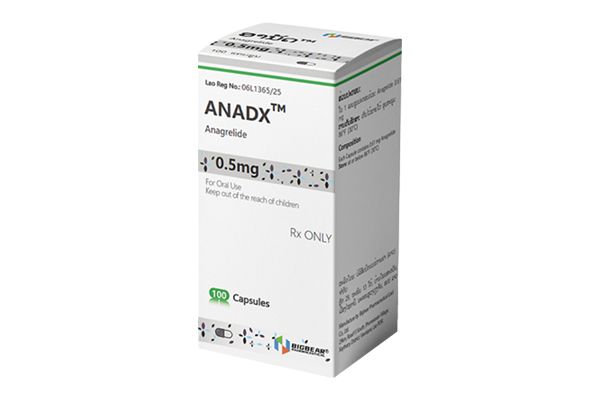
Anagrelide is used for the treatment of thrombocytosis associated with essential thrombocythemia and polycythemia vera. It may also be used for thrombocytosis accompanied by other myeloproliferative diseases, such as myelofibrosis and myelodysplastic syndrome. This article provides an overview of the clinical use of anagrelide.
Dosage and Administration
Dosage and administration may vary depending on the dosage form and strength. Please follow the specific package insert or consult your doctor.
Tablets and Capsules
1.Usual Adult DoseOral administration: The starting dose is 0.5 mg four times daily, or 1 mg twice daily. Dosage adjustment may be made after 1 week, but the total daily dose should not be increased by more than 0.5 mg per week. The maximum daily dose should not exceed 10 mg, and the single dose should not exceed 2.5 mg.
2.Renal ImpairmentDosage reduction is recommended in patients with renal impairment.
3.Usual Pediatric DoseOral administration for children aged 6 years and older: The starting dose is 0.5 mg as a single daily dose. Dosage adjustment may be made after 1 week, but the total daily dose should not be increased by more than 0.5 mg per week. The maximum daily dose should not exceed 10 mg, and the single dose should not exceed 2.5 mg.
Adverse Reactions
1.Cardiovascular System: Palpitations, chest pain, tachycardia, peripheral edema, vasodilation, heart failure, cerebrovascular accident, myocardial infarction, cardiomyopathy, cardiac hypertrophy, complete atrioventricular block, pericarditis, and ventricular fibrillation. Orthostatic hypotension has been observed in healthy volunteers.
2.Central Nervous System: Headache, dizziness, paresthesia, increased dreaming, and impaired concentration.
3.Respiratory System: Dyspnea; pulmonary infiltration, pulmonary fibrosis, and pulmonary hypertension have been reported.
4.Musculoskeletal System: Muscle weakness.
5.Gastrointestinal System: Diarrhea, abdominal pain, nausea, flatulence, vomiting, dyspepsia, pancreatitis, gastric ulcer, and duodenal ulcer.
6.Hematologic System: Anemia and thrombocytopenia (platelet count begins to decrease within 7–14 days) have been reported; isolated cases of bleeding and thrombosis have occurred. Anagrelide has no significant effect on hemoglobin, white blood cell count, reticulocyte count, prothrombin time (PT), or bleeding time.
7.Skin: Rash and urticaria.