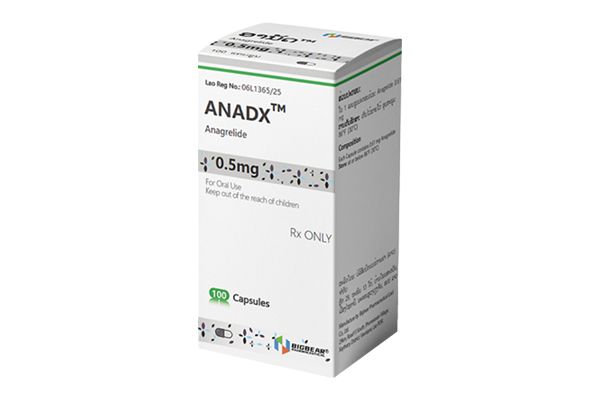
Anagrelide capsules, oral, first approved in the United States in 1997. Anagrelide is a platelet-reducing agent indicated for the treatment of thrombocytosis secondary to myeloproliferative neoplasms.
Clinical Monitoring for Anagrelide
Treatment with anagrelide capsules requires clinical monitoring, including complete blood cell counts, hepatic and renal function assessments, and electrolyte measurements.
(1) To prevent the occurrence of thrombocytopenia, platelet counts should be monitored every two days during the first week of treatment, and thereafter at least weekly until a maintenance dose is achieved.
(2) Typically, at an appropriate dose, the platelet count begins to respond within 7 to 14 days. In clinical trials, the time to reach a complete response (defined as a platelet count ≤600,000/μL) ranged from 4 to 12 weeks.
(3) If dosing is interrupted or treatment is discontinued, the rebound of platelet counts varies, but platelet counts generally begin to rise within 4 days and return to baseline levels within one to two weeks, and may even rebound above baseline values. Frequent platelet count monitoring is required.
Warnings and Precautions for Anagrelide
1. Cardiovascular Toxicity
Torsade de pointes and ventricular tachycardia have been reported with anagrelide. A cardiovascular evaluation, including an electrocardiogram (ECG), should be performed before initiating treatment. During anagrelide therapy, patients should be monitored for cardiovascular effects and evaluated as necessary.
2. Pulmonary Hypertension
Cases of pulmonary hypertension have been reported in patients treated with anagrelide. Assess patients for signs and symptoms of underlying cardiopulmonary disease before and during anagrelide treatment.
3. Bleeding Risk
In a post-marketing study, concomitant use of anagrelide and aspirin increased the incidence of major bleeding events. Evaluate the potential risks and benefits of coadministering anagrelide with aspirin.
4. Pulmonary Toxicity
Post-marketing reports have shown that interstitial lung disease (including allergic alveolitis, eosinophilic pneumonia, and interstitial pneumonia) is associated with the use of anagrelide. If suspected, discontinue anagrelide and evaluate. Symptoms may improve after discontinuation.