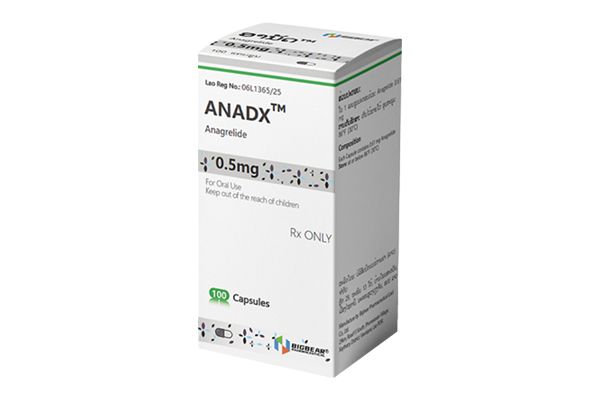
Anagrelide Side Effect Management for Healthcare Professionals
1. General Adverse Events
Very common (10% or more): edema (20.6%).
Common (1% to 10%): peripheral edema.
Frequency not reported: tinnitus, flu-like symptoms, chills.
2. Cardiovascular System
Very common (10% or more): palpitations (26.1%).
Common (1% to 10%): chest pain, tachycardia.
Frequency not reported: arrhythmia, cardiovascular disease, angina pectoris, heart failure, orthostatic hypotension, thrombosis, vasodilation.
Post-marketing reports: torsade de pointes, ventricular tachycardia, variant angina (Prinzmetal's angina).
3. Gastrointestinal
Very common (10% or more): diarrhea (25.7%), nausea (17.1%), abdominal pain (16.4%), flatulence (10.2%).
Common (1% to 10%): vomiting, anorexia, dyspepsia, constipation, gastritis, aphthous stomatitis, pharyngitis, hemorrhage, eructation, dehydration.
4. Nervous System
Very common (10% or more): headache (43.5%), asthenia (23.1%), dizziness (15.4%), pain (15%).
Common (1% to 10%): fever.
Frequency not reported: migraine, syncope, somnolence, confusion, insomnia, nervousness, amnesia.
5. Hematologic System
Frequency not reported: anemia, thrombocytopenia, ecchymosis, lymphadenopathy.
6. Hepatobiliary System
Very rare (less than 0.01%): cholestatic hepatic failure.
Frequency not reported: elevated liver enzymes.
7. Musculoskeletal System
Common (1% to 10%): back pain.
Frequency not reported: arthralgia, myalgia, leg cramps.
8. Respiratory System
Very common (10% or more): dyspnea (11.9%).
Frequency not reported: pharyngitis, cough, rhinitis, epistaxis, respiratory disorder, sinusitis, pneumonia, bronchitis, pleural effusion, pulmonary hypertension, pulmonary infiltration, asthma, allergic alveolitis.
9. Skin and Subcutaneous Tissue
Common (1% to 10%): rash (including urticaria).
Frequency not reported: skin disorder, alopecia, pruritus.
10. Ocular
Frequency not reported: photosensitivity reaction, amblyopia, visual abnormality, visual field defect, diplopia.
11. Genitourinary System
Frequency not reported: dysuria, hematuria.
12. Hypersensitivity
Very rare (less than 0.01%): a 60‑year‑old female developed dyspnea, palpitations and chest pain after 1 week of treatment, leading to respiratory failure and requiring intubation at week 5. The patient recovered after treatment with methylprednisolone.
Frequency not reported: severe hypersensitivity pneumonitis.
Note: The authors of the case report on severe hypersensitivity pneumonitis suggest that patients receiving anagrelide (alone or in combination with hydroxyurea) may benefit from monitoring with serial chest radiographs, pulmonary function tests and echocardiography to detect the development of cardiomyopathy or hypersensitivity pneumonitis.
13. Renal
Post‑marketing report: tubulointerstitial nephritis.
14. Psychiatric System
Frequency not reported: depression.