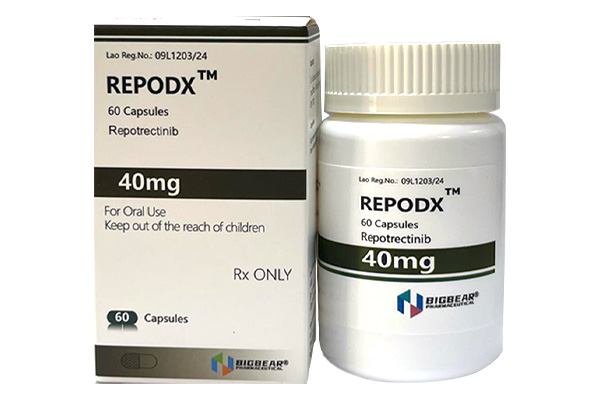
When the original drug Repotrectinib, with a monthly treatment cost of tens of thousands of dollars, puts it out of reach for many patients, the generic version REPODX (40mg×60 capsules/bottle) launched by Lao Big Bear Pharmaceutical offers a relatively affordable price, opening a new window of hope for patients with ROS1-positive non-small cell lung cancer.
What are the purchasing channels for Lao Big Bear version of Repotrectinib
The Lao Big Bear version of Repotrectinib is available in the specification of 40mg*60 capsules/box. For specific purchasing methods, we recommend that you contact professional customer service for detailed consultation.
Common side effects of Repotrectinib
Common manifestations: Side effects that are more likely to occur during treatment include dizziness, taste disorders, constipation, fatigue, and shortness of breath. Among these, dizziness is particularly common in the early stages of treatment and may sometimes affect standing balance and daily activities, but it is mostly mild to moderate.
Digestive and sensory effects: Taste changes may lead to decreased appetite, and some patients experience nausea or mild weight loss. Constipation and muscle pain are also frequently reported and can usually be managed with supportive care.
Serious reactions requiring close monitoring: Less common but important side effects include elevated liver enzymes, leukopenia, anemia, blurred vision, interstitial pneumonia, and prolongation of the QT interval on electrocardiogram. Although these occur at a low rate, they may require dose interruption or adjustment.
Monitoring principles: During treatment, regular blood routine tests and liver function tests are required, and attention should be paid to any newly emerging visual changes, unexplained cough, or chest tightness. Any such symptoms should be reported to the medical team immediately.
How to manage the side effects of Repotrectinib
Management of dizziness: It is recommended that patients slow down when changing positions, avoid sudden standing or rapid head turning, to reduce the risk of falls. Extra caution should be exercised when engaging in activities that require high concentration, such as driving or operating precision machinery.
Management of taste and gastrointestinal symptoms: For taste abnormalities, add lemon juice, vanilla, or natural seasonings to meals to improve palatability. For constipation, increase water intake and dietary fiber, and use stool softeners or laxatives if necessary; persistent nausea can be relieved with antiemetics prescribed by the physician.
Fatigue management: Arrange rest and activity reasonably, maintain moderate physical activities such as walking daily, and ensure adequate sleep, which can often alleviate fatigue.
Dose adjustment and multidisciplinary collaboration: When liver enzyme elevation or blood cell reduction occurs, the physician may recommend stepwise dose reduction from 160 mg twice daily to 120 mg or even 80 mg, or a brief drug holiday, and then resume treatment after indices recover. Patients need to maintain smooth communication with oncologists, pharmacists, and nutritionists, and report any discomfort promptly to ensure safe continuation of therapy.