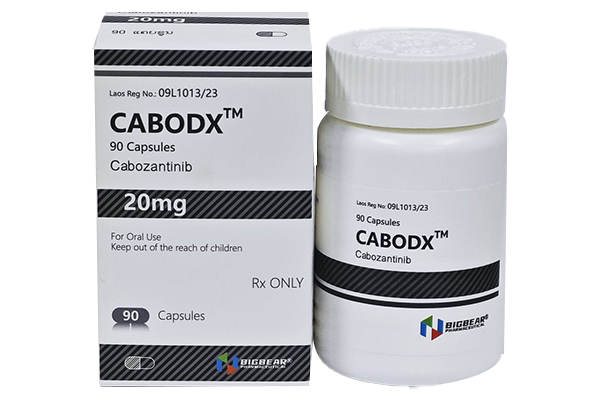
The generic cabozantinib produced by BigBearPharma in Laos, marketed under the brand name CABODX, offers a new regulatory-approved treatment option for cancer patients worldwide.
Is there a Laotian generic version of cabozantinib?
Yes, there is a Laotian generic version of cabozantinib. The Laotian BigBear version of cabozantinib is available in strengths of 20mg*90 capsules/box and 60mg*30 tablets/box. For more questions, we recommend adding our professional customer service for detailed consultation.
Indications for cabozantinib
On January 14, 2019, the U.S. Food and Drug Administration (FDA) formally approved cabozantinib for the treatment of hepatocellular carcinoma (HCC) in patients who have previously received sorafenib. This decision was based on a randomized, double‑blind, placebo‑controlled, multicenter Phase III trial named CELESTIAL (NCT01908426), providing a new second‑line treatment option for patients with advanced HCC.
All enrolled patients had Child‑Pugh A liver function and had progressed on or were intolerant to prior sorafenib therapy. Patients were randomized in a 2:1 ratio to receive cabozantinib (60 mg orally once daily, n=470) or placebo (n=237), with treatment continued until radiographic progression or unacceptable toxicity.
Common and serious side effects of cabozantinib
Clinical trial data show that the most common adverse reactions (incidence ≥25%) in patients receiving cabozantinib include, in descending order: diarrhea, fatigue, decreased appetite, palmar‑plantar erythrodysesthesia (hand‑foot skin reaction), nausea, hypertension, and vomiting. These side effects are mostly mild to moderate, but some may progress to severe degrees requiring timely intervention.
Serious side effects requiring urgent medical attention include: severe bleeding (hemoptysis, hematemesis, melena, abnormal vaginal bleeding, etc.); gastrointestinal perforation or fistula (manifested as sudden severe abdominal tenderness); thrombotic events (e.g., deep vein thrombosis, pulmonary embolism, myocardial infarction, or stroke, with symptoms such as limb swelling and pain, dyspnea, dizziness, unilateral weakness, or speech disturbances); malignant hypertension (acute blood pressure elevation accompanied by headache and blurred vision).
Other serious reactions requiring vigilance include: severe diarrhea (which may lead to dehydration and electrolyte imbalance); hand‑foot skin reaction (redness, pain, swelling, or even blistering on palms and soles); proteinuria and renal impairment (manifested as extremity edema); osteonecrosis of the jaw (jaw pain, toothache, or gingival ulceration; dental examination and good oral hygiene are recommended before treatment); and reversible posterior leukoencephalopathy syndrome (RPLS, with symptoms such as headache, seizures, confusion, or visual changes).
Physicians will adjust the dose, interrupt treatment, or permanently discontinue the drug based on the severity of side effects. Patients should proactively report any bothersome or persistent unusual symptoms and should never reduce or stop the medication on their own. In addition, cabozantinib may affect fertility (potentially in both males and females); if you have plans for future parenthood, discuss fertility preservation options with your doctor before starting treatment.