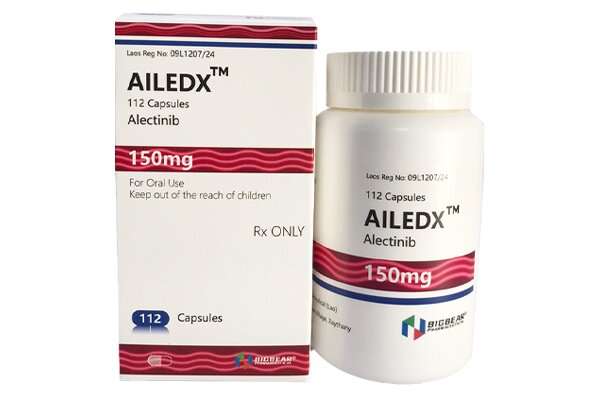
As one of the national formal chemical pharmaceutical enterprises in Laos, Laos Big Bear Pharmaceutical Co., Ltd. produces alectinib generics based on its production system that has passed the new version of the national GMP certification in Laos, providing ALK-positive non-small cell lung cancer patients with a targeted therapy option that combines quality assurance and cost-effectiveness.
What are the purchasing channels for Laos Big Bear version of alectinib
Laos Big Bear version of alectinib is available in the specification of 150mg*112 capsules/box. For specific purchasing methods, we recommend that you contact professional customer service for detailed consultation.
Bradycardia (slow heart rate) and muscle toxicity of alectinib
Alectinib has potential effects on the cardiac conduction system and skeletal muscles, and its manifestations may be insidious but should not be ignored:
Symptoms related to bradycardia (heart rate often below 60 beats/min):
Manifestations of cerebral hypoperfusion
Recurrent dizziness, blurred vision, or transient blackout (darkening of vision for a few seconds then recovery), which may lead to syncope or falls in severe cases, especially triggered by postural changes (such as sitting up or standing).
Cardiopulmonary compensatory responses
Shortness of breath, chest tightness, or dull pain with mild activity, and a feeling of slow and weak heartbeat at rest, possibly accompanied by palpitations (sensation of skipped or irregular beats).
Risk-aggravating factors
If you have pre-existing sinus node dysfunction, atrioventricular block, or are taking other medications that slow heart rate (such as beta-blockers, diltiazem), the risk is significantly increased. Regular monitoring of heart rate and electrocardiogram is required during treatment.
Muscle pain, tenderness, and weakness (myalgia/myopathy):
Nature of muscle pain
Symmetrical aching and tenderness in proximal limb muscles (shoulders, thighs), worsened by activity and not relieved by rest, possibly accompanied by muscle stiffness.
Decreased muscle strength
Difficulty in lifting objects, climbing stairs, or standing up from a sitting position, and even reduced grip strength or shuffling gait.
Laboratory tests
If creatine kinase (CK) is significantly elevated, it indicates muscle fiber damage. The physician will evaluate whether dose reduction or temporary discontinuation is needed based on symptoms, and it is recommended to avoid strenuous exercise and increase fluid intake to prevent myoglobinuria-induced kidney injury.
What is alectinib and who is it suitable for
Alectinib is a targeted oral anticancer drug, and its core mechanism of action and scope of application are as follows:
Target of action
This product is an anaplastic lymphoma kinase (ALK) inhibitor that blocks the abnormal activity of the ALK protein, thereby inhibiting tumor cell proliferation, migration, and survival driven by ALK gene rearrangements or fusions. This genetic alteration is one of the key oncogenic drivers in non-small cell lung cancer (NSCLC).
Indications
It is indicated for adult patients with locally advanced or metastatic NSCLC who have been tested and confirmed to be ALK-positive. This includes first-line treatment (treatment-naïve patients) and second-line or later treatment after progression on or intolerance to crizotinib.
Therapeutic benefits
Clinical studies have shown that alectinib has a high blood-brain barrier penetration rate and is also effective against brain metastases, significantly prolonging progression-free survival (PFS).
Use in children and adolescents
There is currently insufficient safety and efficacy data in the pediatric population, so this product is not recommended for use in children or adolescents under 18 years of age.
Prerequisite for treatment
Before starting treatment, ALK fusion gene positivity must be confirmed by a test method approved by the national drug regulatory authority. The physician will comprehensively assess whether it is appropriate to initiate therapy based on your performance status, tumor burden, prior treatment history, and comorbidities.
Continuity of effect
It needs to be taken regularly and continuously until disease progression or unacceptable toxicity occurs. Do not interrupt treatment arbitrarily because of subjective symptom improvement, as this may lead to accelerated resistance and disease rebound.