Regulatory Milestone and Expanded Treatment Indication
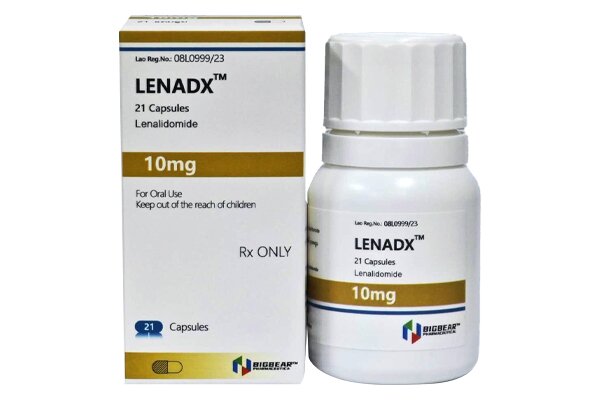
On June 27, 2019, the Janssen Pharmaceutical Companies of Johnson & Johnson announced that the U.S. Food and Drug Administration (FDA) approved Darzalex (daratumumab) in combination with lenalidomide and dexamethasone (Rd) for patients newly diagnosed with multiple myeloma who are ineligible for autologous stem cell transplant (ASCT). This significant regulatory milestone was achieved through the FDA’s Real-Time Oncology Review (RTOR) pilot program, an initiative designed to expedite the availability of safe and effective cancer treatments to patients.
Clinical Evidence from the Phase 3 MAIA Study
The FDA approval is primarily supported by the robust results of the Phase 3 MAIA (MMY3008) clinical study. This trial compared the efficacy of the Darzalex-Rd triplet regimen against the standard Rd doublet therapy. At a median follow-up of 28 months, the study reached its primary endpoint, demonstrating that the addition of Darzalex significantly reduced the risk of disease progression or death by 44 percent compared to Rd alone ($HR = 0.56$; $95% ext{ CI: } 0.43-0.73$; $p<0.0001$). While the median progression-free survival (PFS) for the Darzalex-Rd group had not yet been reached at the time of analysis, the control group receiving only Rd showed a median PFS of 31.9 months.
Superiority in Response Rates and Disease Minimalization
The MAIA study data, published in The New England Journal of Medicine, highlighted that the Darzalex-Rd regimen induced deeper and more durable clinical responses. The overall response rate was 93 percent for the Darzalex-Rd arm compared to 81 percent for the Rd arm. Furthermore, the triplet therapy achieved a 48 percent complete response (CR) or better, nearly doubling the 25 percent rate seen in the doublet group. Notably, the Darzalex combination produced a more than three-fold higher rate of minimal residual disease (MRD) negativity, reaching 24 percent compared to 7 percent in the control group, which is a critical indicator for long-term remission.
Addressing Frontline Treatment for Transplant-Ineligible Populations
For patients with multiple myeloma, the first line of therapy is the most critical window for extending the initial remission period, especially since the disease often becomes more resistant to treatment upon relapse. This new indication provides a highly effective non-transplant option for elderly or frail patients who cannot undergo aggressive stem cell transplantation. Experts emphasize that optimizing the frontline response with a CD38 monoclonal antibody like Darzalex can fundamentally change the course of the disease and establish a new standard of care in clinical practice.
Safety Observations and Adverse Event Profile
The safety profile of Darzalex in the MAIA study remained consistent with previous clinical findings. The most common adverse reactions, occurring in 20 percent or more of patients, included infusion reactions, gastrointestinal issues such as diarrhea and constipation, fatigue, edema, and respiratory infections. Regarding serious adverse events, the Darzalex-Rd arm saw a higher incidence of pneumonia (15 percent vs. 8 percent) and bronchitis compared to the Rd-only arm. In terms of laboratory abnormalities, Grade 3 or 4 hematologic events were prevalent, with neutropenia occurring in 56 percent of patients, followed by lymphopenia at 52 percent and leukopenia at 35 percent.
Impact on Future Treatment Paradigms
This approval underscores the growing importance of monoclonal antibodies in the frontline setting for multiple myeloma. By integrating Darzalex into the initial treatment phase for transplant-ineligible patients, healthcare providers can offer a regimen that significantly enhances survival outcomes and response depth. As this triplet therapy moves toward inclusion in major clinical guidelines, such as those from the NCCN, it represents a pivotal shift in how the medical community approaches the management of newly diagnosed multiple myeloma.