Regulatory Milestone for Pfizer’s Oncology Portfolio
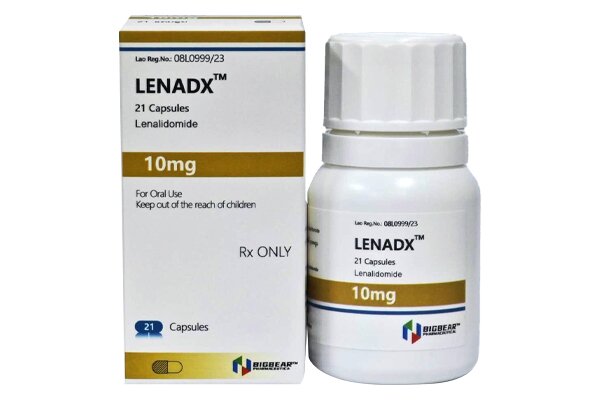
On February 12, 2025, Pfizer Inc. (NYSE: PFE) announced that the U.S. Food and Drug Administration (FDA) has officially approved the supplemental Biologics License Application (sBLA) for Adcetris® (brentuximab vedotin). This approval authorizes Adcetris for use in combination with lenalidomide and a rituximab product. The regimen is specifically indicated for adult patients suffering from relapsed or refractory (R/R) large B-cell lymphoma (LBCL). This includes diffuse large B-cell lymphoma (DLBCL) not otherwise specified (NOS), DLBCL arising from indolent lymphoma, or high-grade B-cell lymphoma (HGBL).
Target Patient Population and Treatment Eligibility
The newly approved combination therapy targets patients who have undergone two or more lines of prior systemic therapy. A critical aspect of this indication is its application to patients who are ineligible for autologous hematopoietic stem cell transplantation (auto-HSCT) or chimeric antigen receptor (CAR) T-cell therapy. This regulatory decision provides a vital therapeutic pathway for the more than 3,500 patients in the U.S. annually who face treatment failure or relapse after standard second-line interventions and require alternative options beyond intensive chemotherapy.
Efficacy Findings from the Phase 3 ECHELON-3 Study
The FDA’s decision is fundamentally supported by the results of the Phase 3 ECHELON-3 clinical trial. This study demonstrated that the Adcetris-based triplet regimen provided a statistically significant and clinically meaningful improvement in overall survival (OS) compared to the control group receiving a placebo with lenalidomide and rituximab. The clinical data revealed a 37% reduction in the risk of death for patients treated with the Adcetris combination, represented by a hazard ratio (HR) of 0.63 with a 95% confidence interval of 0.445–0.891 ($p=0.0085$).
Broad Clinical Utility Across Biomarker Levels
A significant discovery within the ECHELON-3 study was that the survival benefit remained consistent across varying levels of CD30 expression. This allows for broader clinical application, as the treatment efficacy was observed even in heavily pre-treated patients, including those who had previously failed CAR-T therapy. In addition to the primary endpoint of overall survival, the study met key secondary endpoints, showing positive outcomes in overall response rate (ORR) and progression-free survival (PFS).
Addressing the High Unmet Need in LBCL
Large B-cell lymphoma is an aggressive form of non-Hodgkin lymphoma (NHL) affecting B lymphocytes. DLBCL, the most common subtype, accounts for over 25% of all lymphoma cases, with approximately 25,000 new diagnoses in the U.S. each year. Despite advancements in medical science, up to 40% of patients experience relapse or refractory disease after initial treatment. For those who cannot undergo transplant or CAR-T therapy, or those whose disease returns post-CAR-T, the Adcetris combination offers an essential outpatient-administered option with a proven efficacy and safety profile.
Safety Profile and Adverse Event Management
The safety profile observed in the ECHELON-3 trial was consistent with the established parameters of Adcetris. The most frequently reported Treatment-Emergent Adverse Events (TEAEs) of Grade 3 or higher in the Adcetris arm versus the placebo arm included neutropenia (43% vs 28%), thrombocytopenia (25% vs 19%), and anemia (22% vs 21%). Notably, peripheral sensory neuropathy was reported as infrequent and generally low-grade, with Grade 3 events occurring in only 4% of the Adcetris group compared to 0% in the placebo group.
Clinical Impact on the Standard of Care
This approval reinforces the role of Adcetris as a cornerstone in lymphoma treatment. By moving beyond traditional chemotherapy-only regimens, healthcare providers now have a targeted combination that improves survival outcomes in a difficult-to-treat patient population. The transition to an effective outpatient regimen signifies a major step forward in managing the complexities of relapsed/refractory large B-cell lymphoma while maintaining a manageable safety profile for patients who have exhausted other standard therapies.