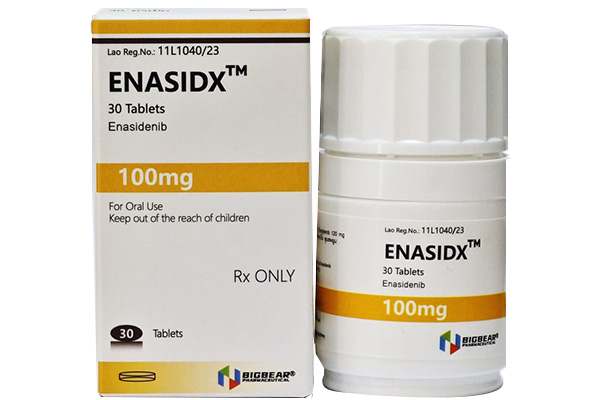
Precautions for Enxidipine
Enxidipine is used for relapsed or refractory acute myeloid leukemia (AML) with an IDH2 mutation. An FDA-approved diagnostic test is required to confirm the presence of an IDH2 mutation before initiating treatment.
Precautions for Enxidipine
1. Differentiation Syndrome
Treatment with enxidipine may induce differentiation syndrome, characterized by acute respiratory distress (dyspnea and/or hypoxia), hypoxemia requiring oxygen therapy, pulmonary infiltrates, renal or hepatic impairment, multiple organ dysfunction, fever, lymphadenopathy, bone pain, peripheral edema, rapid weight gain, and pleural or pericardial effusion. This syndrome may or may not be accompanied by leukocytosis.
Early identification and treatment can reduce the risk of severe illness and death. Differentiation syndrome should be suspected when no other clear cause is found.
If severe pulmonary symptoms requiring respiratory support (e.g., endotracheal intubation, assisted ventilation) occur and/or renal dysfunction persists after 48 hours of corticosteroid treatment, entasidipine treatment should be discontinued.
2. Fetal/Neonatal Risk of Damage and Death
Entasidipine may cause fetal damage. Animal studies have shown teratogenicity, embryotoxicity, and fetal toxicity. Pregnancy should be avoided during treatment.
Female patients of childbearing potential and their male partners must strictly adhere to contraception during treatment and for two months after the last dose.
Patients using hormonal contraception should add an effective non-hormonal contraceptive method during entasidipine treatment and for two months after the last dose.
Special Considerations for Enxidipine Use in Special Populations
1. Lactation
It is not clear whether entasidipine is excreted in human breast milk. Breastfeeding should be discontinued during treatment and for two months after discontinuation.
2. Male and Female Patients of Reproductive Potential
Animal studies have shown that entasidipine has a certain degree of impairment on human fertility, particularly in women. Women of childbearing potential and their male partners should use effective contraception during treatment and for two months after discontinuation.
Patients using hormonal contraception are advised to also use effective non-hormonal contraception (during treatment and for two months after the last dose).
3. Use in Children
Safety and efficacy data have not been established.
4. Use in the Elderly
No overall difference in safety or efficacy was found compared to younger adults.
5. Hepatic Impairment
Pharmacokinetic analysis showed that mild hepatic impairment did not alter systemic exposure. However, entasidipine is primarily metabolized in the liver, and the actual exposure may be significantly increased.
6. Renal Impairment
Pharmacokinetic analysis showed that renal impairment did not alter systemic exposure.
Common Adverse Reactions of Enxidipine
Adverse reactions with an incidence ≥20% include: nausea, vomiting, diarrhea, elevated bilirubin, and decreased appetite.