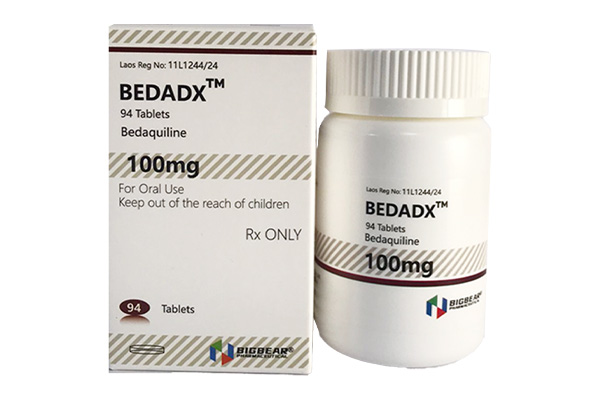
Bedaquiline is a diarylquinoline antibacterial prescription drug, commonly available in tablet form. It works by inhibiting the ATP synthase in Mycobacterium tuberculosis, blocking its energy metabolism and thus exerting a potent bactericidal effect. It is primarily used to treat multidrug-resistant tuberculosis (MDR-TB) and extensively drug-resistant tuberculosis (XDR-TB), especially suitable for patients who cannot be fitted with an effective chemotherapy regimen.
Price of Bedaquiline
The price of bedaquiline varies significantly depending on the version, strength, region of purchase, and channel. Based on international market prices, the basic version costs approximately $203 per box. For specific pricing, consult your doctor, pharmacist, or local health insurance provider.
Daily Care for Tuberculosis Patients
Treatment for tuberculosis (especially MDR-TB) is lengthy and carries a high risk of drug side effects. Daily care requires addressing multiple needs, including disease control, monitoring for adverse drug reactions, and infection prevention. The following outlines key care points from core perspectives.
Drug Therapy and Adverse Reaction Monitoring Nursing Care
(1) Medication Guidelines:
1. Strictly follow the doctor's instructions for medication. Bedaquiline must be taken with food. For the first two weeks, take 400mg once daily; from weeks 3 to 24, take 200mg three times a week. The interval between doses should be at least 48 hours. Do not adjust the dosage or discontinue medication without authorization.
2. Management of Missed Doses: Missed doses in the first two weeks do not need to be made up; continue the daily course as planned. Missed doses after week 3 should be made up as soon as possible, and then resume the three-times-a-week regimen. Do not take double the dose.
3. Management of Combined Medication: Bedaquiline must be used in combination with at least three sensitive anti-tuberculosis drugs. Inform the doctor of all medications currently in use (including prescription and over-the-counter drugs) to avoid drug interactions.
(2) Adverse Reaction Monitoring and Management:
1. Common Serious Side Effects: If symptoms such as chest pain, cough or hemoptysis, dark urine, decreased appetite, fever, general weakness, headache, itchy skin or rash, pale stool, nausea and vomiting, abdominal pain or tenderness, swelling of the feet or lower legs, or yellowing of the whites of the eyes or skin occur during medication, seek medical attention immediately.
2. Specific Toxicity Monitoring: Bedaquiline may cause QT interval prolongation and hepatotoxicity. Regular electrocardiograms (ECGs) and liver function tests are necessary before and during treatment (at key milestones such as weeks 2, 4, 8, and 12). If the QTcF interval is ≥500 ms or transaminase levels exceed 5 times the upper limit of normal, the medication must be discontinued immediately.
3. Serious Side Effects of Unknown Incidence: If any serious discomfort not mentioned (such as severe dizziness or arrhythmia) occurs, regardless of whether it is clearly related to the drug, seek immediate medical attention for evaluation by a physician.
Infection Prevention and Isolation Nursing Care
Pulmonary tuberculosis is contagious. Scientific prevention can avoid disease transmission and protect the health of patients and their families.
1. Respiratory Isolation:
Patients should cover their mouth and nose with a tissue when coughing or sneezing, and burn used tissues. Patients should live alone in a well-ventilated room, opening windows 2-3 times daily for at least 30 minutes each time to reduce indoor germ concentration.
2. Personal Hygiene Management:
Develop a habit of frequent handwashing, especially after coughing, using soap or hand sanitizer thoroughly. Avoid sharing tableware, towels, and other personal items with family members. Tableware should be regularly boiled for disinfection.
3. Family Protection:
Close contacts should be vaccinated with BCG and undergo regular tuberculin skin tests. Patients are highly infectious for the first two months of treatment; family members should wear N95 masks when providing care and avoid close contact with unsterilized secretions.
4. Outing Guidelines:
Avoid going to crowded places during treatment; wear a mask when necessary. Do not spit indiscriminately; sputum should be spit into a sealed container containing disinfectant.