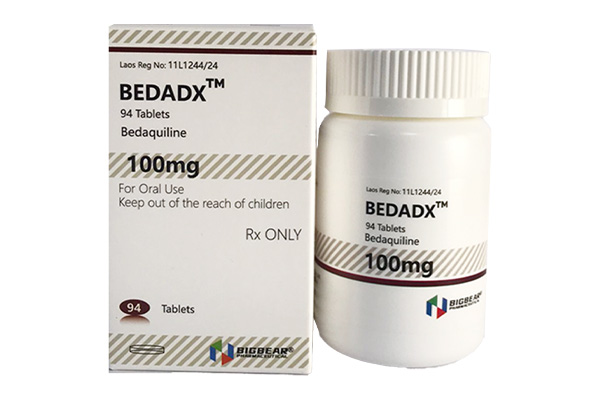
Bedaquiline is a diarylquinoline antimycobacterial drug specifically used to treat a particular type of pulmonary tuberculosis. As a prescription drug, its purchase must strictly adhere to medical regulations and be obtained through legal channels.
Purchase Channels for Bedaquiline
Bedaquiline has been approved for marketing in China. Patients can purchase it through offline physical channels or reputable online platforms. All methods require a valid prescription from a doctor and proof of a confirmed diagnosis of multidrug-resistant tuberculosis to comply with medical insurance reimbursement and medication guidelines.
1. Offline Purchase
Offline purchase is the main channel for patients in China to obtain bedaquiline. The source of the drug is clear, the quality is guaranteed, and professional medical guidance can be obtained.
Patients must first visit a hospital with tuberculosis treatment qualifications (such as infectious disease hospitals or infectious disease departments of general hospitals). After a detailed evaluation of the patient's condition (including the results of mycobacterium tuberculosis drug sensitivity tests, previous treatment history, etc.), and confirmation that the patient meets the indications for bedaquiline use, the doctor will issue a prescription and a medication certificate. Patients can directly pay and pick up their medications at the hospital pharmacy with their prescriptions.
2. Online Purchase
Online purchases offer convenience for patients with limited mobility or local resources. The key is to choose a legally qualified platform to avoid the risks of unofficial channels. Purchasing medications can be completed without leaving home, making it especially suitable for patients in remote areas or with limited mobility. Some platforms also offer online pharmacist consultation services to answer medication-related questions at any time.
Prevention Measures for Pulmonary Tuberculosis
Pulmonary tuberculosis is a respiratory infectious disease caused by Mycobacterium tuberculosis, primarily transmitted through droplets. Scientific prevention measures can effectively reduce the risk of infection and disease. The following outlines key points from the perspectives of personal protection, environmental control, and protection of key populations.
Personal Hygiene and Respiratory Protection: Cutting Off the Source of Transmission
Personal protection is the most basic and crucial measure for preventing pulmonary tuberculosis, focusing on avoiding droplet transmission and contact with pathogens.
1. Cough Etiquette:
If you cough or sneeze in daily life, cover your mouth and nose with a tissue or the inside of your elbow, avoiding direct contact with your hands. Used tissues should be immediately disposed of in a covered trash can or incinerated; do not discard them carelessly.
2. Hand Hygiene:
Develop the habit of washing your hands frequently, especially after touching public items (such as door handles, elevator buttons), after coughing or sneezing, and before meals and after using the toilet. Wash your hands thoroughly with soap or hand sanitizer and running water for at least 20 seconds.
3. Outdoor Protection:
When going to crowded, poorly ventilated places (such as shopping malls, subways, and hospitals), wear a medical surgical mask or N95 mask properly. The mask should cover your mouth, nose, and chin, and should be changed regularly (generally every 4-6 hours, and immediately if it becomes soiled or damp).
4. Avoid Close Contact:
Avoid close contact with suspected tuberculosis patients who have been coughing and producing sputum for more than two weeks. If family members or colleagues develop such symptoms, remind them to seek medical attention promptly and take personal protective measures until they are diagnosed.
Environmental Optimization and Disinfection
Good environmental conditions can reduce the survival and transmission of Mycobacterium tuberculosis, especially in enclosed spaces where strict control measures are necessary.
1. Ventilation:
Whether in the home, office, or public places, ensure daily ventilation by opening windows for at least 30 minutes each time, at least 2-3 times a day. Air circulation will dilute any germs that may be present indoors.
2. Daily Disinfection:
If there is a tuberculosis patient in the household, their room should be disinfected regularly. Ultraviolet light disinfection can be used (30 minutes each time, performed when no one is present). The patient's tableware, towels, and other personal items should be washed separately and boiled in water for 15-20 minutes. Floors and furniture surfaces can be wiped with a chlorine-based disinfectant (such as 84 disinfectant diluted 1:100).
3. Avoid enclosed environments:
Reduce the time spent in enclosed, crowded, and poorly ventilated places, such as internet cafes and karaoke bars. These environments easily lead to the accumulation of germs and increase the risk of infection.