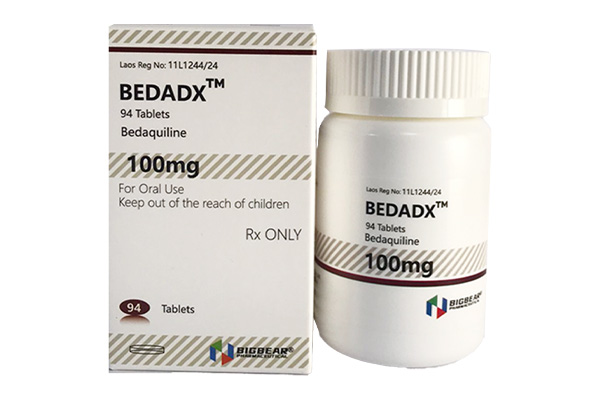
Bedaquiline is a diarylquinoline anti-mycobacterial drug, which requires a prescription from a qualified physician and full medical supervision. It must not be used without medical guidance.
Price of Bedaquiline
The Lao Da Xiong version of bedaquiline is available as 100 mg × 94 tablets per box, at a reference price of approximately 209 US dollars per box, which has greatly improved drug accessibility. For specific pricing, patients are advised to consult with professionals; the above price is for reference only.
Recommendations on Stockpiling Bedaquiline
Bedaquiline is a strictly controlled prescription drug and must be used under professional medical guidance. Stockpiling on one’s own is not recommended.
Bedaquiline must be used as part of a combination treatment regimen, typically in combination with at least 3–4 other active anti-tuberculosis drugs to reduce the risk of drug resistance. The entire treatment must be administered under medical supervision. The drug is usually dispensed by hospitals or designated pharmacies under direct physician guidance to ensure treatment adherence (directly observed therapy, DOT).
Storage Instructions
Store in the original packaging, protected from light, sealed, and at room temperature (15°C–30°C). The desiccant included in 20 mg bottles must be retained.
Important Precautions for Bedaquiline Use
QTc Interval Prolongation (Cardiac Risk)
This is the most critical serious adverse reaction, which may lead to arrhythmias.
Monitoring: ECG must be monitored regularly before treatment, at Week 2, and periodically thereafter. Hypokalemia, hypocalcemia, and hypomagnesemia must be corrected.
Avoid: Concomitant use with other QTc-prolonging drugs.
Hepatotoxicity
Bedaquiline may cause elevated transaminases and even liver injury.
Monitoring: Liver function must be assessed before treatment and monthly thereafter.
Symptoms: Patients should seek medical attention immediately if they experience fatigue, loss of appetite, dark urine, or jaundice.
Mortality Imbalance
Clinical trials observed a higher mortality rate in the bedaquiline group compared to the placebo group, with the underlying cause unknown. Physicians must rigorously evaluate the benefit-risk balance of treatment.
Common Adverse Reactions
Adults (≥10% incidence): Nausea, arthralgia, headache, hemoptysis, chest pain, elevated transaminases, vomiting, rash, etc.
Pediatric Patients: Adverse reactions are age-related:
12–18 years: Arthralgia and nausea are common
5–12 years: Elevated liver enzymes are common
2–5 years: Vomiting is common
For additional precautions, refer to the full prescribing information.