Milestone in Targeted Therapy for Colorectal Cancer
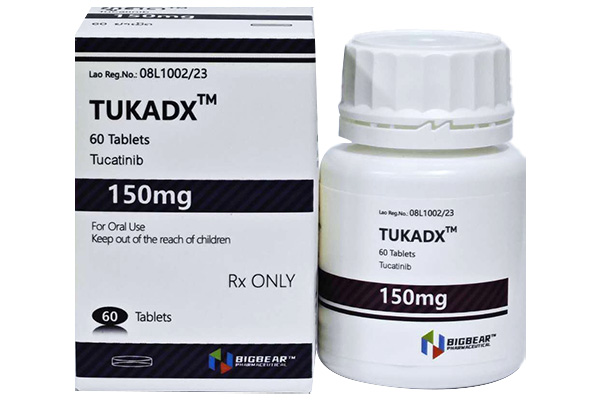
Seagen Inc. has announced that the U.S. Food and Drug Administration (FDA) has granted accelerated approval to Tukysa (tucatinib) in combination with trastuzumab. This therapeutic regimen is specifically indicated for adult patients with RAS wild-type, HER2-positive unresectable or metastatic colorectal cancer (mCRC). The approval applies to patients whose disease has progressed following standard chemotherapy treatments involving fluoropyrimidine, oxaliplatin, and irinotecan.
Historic First in HER2-Positive Treatment
This regulatory milestone marks the first FDA-approved treatment specifically targeting HER2-positive metastatic colorectal cancer. Previously, this patient population faced limited options and poor clinical outcomes after frontline therapy. The FDA recognized the clinical potential of this chemotherapy-free combination by previously granting it Breakthrough Therapy Designation and Priority Review.
Clinical Evidence from the MOUNTAINEER Trial
The accelerated approval is based on data from the Phase 2 MOUNTAINEER clinical trial, which evaluated the efficacy and safety of the Tukysa-trastuzumab combination in 84 patients.
Tumor Response and Durability
The trial demonstrated a significant clinical benefit, highlighted by the following metrics:
Overall Response Rate (ORR): 38% (95% CI: 28, 49) as determined by blinded independent central review (BICR).
Complete Responses: Observed in 3.6% of patients.
Partial Responses: Observed in 35% of patients.
Median Duration of Response (DOR): 12.4 months (95% CI: 8.5, 20.5).
Patient Demographics and Metastatic Burden
The study participants had a median age of 55.0 years. Notably, the treatment showed efficacy even in patients with high metastatic burdens, as 64% of participants had liver metastases and 70% had lung metastases at the start of the study.
The Critical Role of Biomarker Testing
Experts emphasize that this approval underscores the necessity of comprehensive biomarker testing at the time of diagnosis. Identifying patients with RAS wild-type and HER2-positive status is essential for informing treatment decisions and providing access to targeted therapies that can potentially improve survival and quality of life.
Safety and Tolerability Profile
While the Tukysa and trastuzumab regimen provides a new treatment pathway, it is accompanied by specific safety considerations.
Common Adverse Reactions
The most frequent adverse reactions reported in $ge 20%$ of patients included:
Diarrhea
Fatigue
Rash
Nausea
Abdominal pain
Infusion-related reactions
Pyrexia
Serious Adverse Events and Discontinuations
Serious adverse reactions occurred in 22% of patients, with intestinal obstruction (7%) being the most common. Permanent discontinuation of Tukysa due to adverse reactions occurred in 6% of patients, primarily driven by increased alanine aminotransferase (ALT) levels (2.3%). Prescribing information includes warnings for diarrhea, hepatotoxicity, and embryo-fetal toxicity.
Future Outlook and Confirmatory Trials
As this is an accelerated approval, continued authorization for this indication may be contingent upon the verification and description of clinical benefit in subsequent confirmatory trials. This approval further establishes the role of dual HER2 inhibition as a backbone therapy across multiple HER2-expressing malignancies, including both breast and colorectal cancers.