Targeted Oral Therapy for HER2-Positive Malignancies
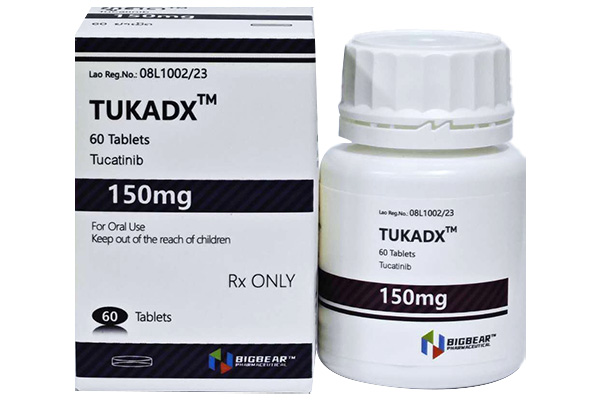
Seattle Genetics, Inc. has announced the U.S. Food and Drug Administration (FDA) approval of Tukysa™ (tucatinib) tablets. This oral, small-molecule tyrosine kinase inhibitor (TKI) is indicated for use in combination with trastuzumab and capecitabine. The regimen targets adult patients with advanced unresectable or metastatic HER2-positive breast cancer who have previously undergone one or more anti-HER2-based treatments in the metastatic setting.
Breakthrough in Treating Brain Metastases
A distinguishing feature of this approval is its inclusion of patients with brain metastases—a condition affecting up to half of those with HER2-positive metastatic breast cancer. The clinical data supporting Tukysa involved a unique trial design that included patients with active, untreated, or progressing brain metastases, providing a critical systemic treatment option for a population that has historically faced limited therapeutic interventions.
Expedited Regulatory Review and International Collaboration
The approval was granted following an expedited review process. The FDA utilized several programs to accelerate the availability of Tukysa, including:
Breakthrough Therapy Designation and Priority Review.
Real-Time Oncology Review (RTOR): A pilot program designed to bring efficient and rapid access to safe and effective cancer medicines.
Project Orbis: A framework from the FDA Oncology Center of Excellence that allows for concurrent submission and review among international health authorities.
Clinical Performance in the HER2CLIMB Trial
The safety and efficacy of the Tukysa combination were established in the HER2CLIMB trial, a randomized, double-blind, placebo-controlled study involving 612 patients. All participants had previously received trastuzumab, pertuzumab, and ado-trastuzumab emtansine (T-DM1).
Reductions in Risk of Progression and Death
The study demonstrated highly significant improvements in clinical outcomes for patients receiving the Tukysa triplet regimen compared to those receiving trastuzumab and capecitabine alone:
Progression-Free Survival (PFS): A 46 percent reduction in the risk of cancer progression or death ($HR=0.54$; $p < 0.00001$).
Overall Survival (OS): A 34 percent reduction in the risk of death ($HR=0.66$; $p = 0.0048$).
Objective Response Rate (ORR): Nearly double the confirmed response rate compared to the control group (40.6% vs. 22.8%).
Efficacy in the Brain Metastases Subgroup
For the 48 percent of trial participants with a history or presence of brain metastases, the addition of Tukysa was particularly effective. The triplet regimen reduced the risk of disease progression or death by 52 percent in this specific subgroup ($HR=0.48$; $p < 0.00001$).
Establishing a New Standard of Care
With its combination of significant survival benefits and a manageable tolerability profile, Tukysa is positioned to become a standard of care for patients with HER2-positive metastatic breast cancer. By specifically inhibiting HER2, this targeted medicine addresses the underlying protein contributing to cancer cell growth while offering a valuable systemic addition to the existing oncology toolkit.