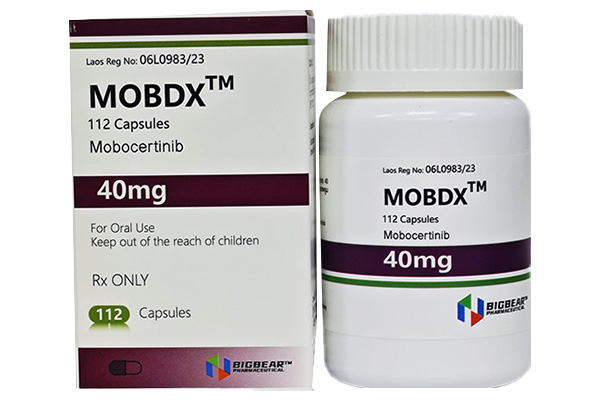
On September 15, 2021, Takeda Pharmaceutical Company of Japan announced accelerated approval from the FDA for Exkivity (mobocertinib) for the treatment of adult patients with locally advanced or metastatic non-small cell lung cancer (NSCLC) harboring EGFR exon 20 insertion mutations who have progressed after platinum-based chemotherapy.
Exkivity received priority review and was granted Breakthrough Therapy Designation, Fast Track Designation, and Orphan Drug Designation by the FDA. It is the first and only oral therapy specifically targeting EGFR exon 20 insertion mutations to receive FDA approval.
Teresa Bitetti, President of Takeda's Global Oncology Business Unit, stated, "The approval of Exkivity introduces a new and effective treatment option for patients with EGFR exon 20 insertion+ non-small cell lung cancer, addressing a pressing need for this difficult-to-treat cancer. Exkivity is the first and only oral therapy specifically targeting EGFR exon 20 insertion, and we are particularly encouraged by the observed duration of response (median approximately 1.5 years). This approval milestone reinforces our commitment to meeting the needs of underserved patient populations within the oncology community." "
The approval was based on results from the platinum-prepared population in the Exkivity Phase 1/2 trial, which included 114 patients with EGFR exon 20 insertion+ non-small cell lung cancer who had received prior platinum-based therapy and were treated with a 160 mg dose.
Data presented at the 2021 ASCO Annual Meeting showed that, according to assessment by the independent data monitoring center, the objective response rate (ORR) for patients treated with mobocertinib (160 mg) once daily was 28% (investigator-assessed 35%), the median duration of response (mDoR) was 17.5 months, the median progression-free survival (mPFS) was 7.3 months, and the disease control rate was 7." 8%.
Mobocertinib has a manageable safety profile. The most common treatment-related adverse events (TRAEs) included diarrhea (90%), rash (45%), paronychia (34%), nausea (32%), decreased appetite (32%), dry skin (30%), and vomiting (30%). Grade 3 or higher TRAEs (≥5%) included diarrhea (21%). Nineteen patients (17%) discontinued the drug due to AEs; the most common AEs leading to discontinuation were diarrhea (4%) and nausea (4%). Prescribing information includes boxed warnings for QTc prolongation and torsades de pointes, as well as warnings and precautions for interstitial lung disease/pneumonia, cardiotoxicity, and diarrhea.