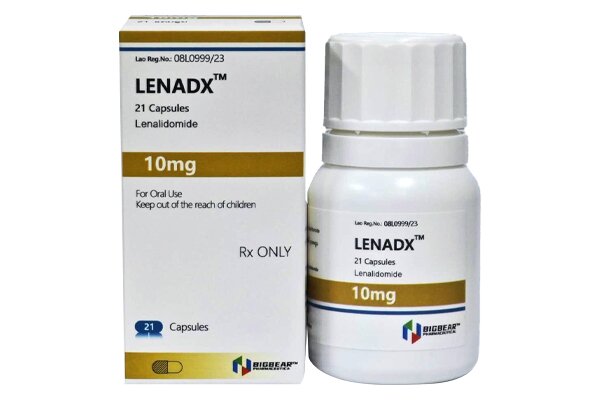
Strategic Expansion of Revlimid Maintenance Therapy
On February 22, 2017, Celgene Corporation announced that the U.S. Food and Drug Administration (FDA) has expanded the indication for Revlimid (lenalidomide) 10 mg capsules. This regulatory milestone establishes Revlimid as the first and only treatment approved for maintenance therapy in patients with multiple myeloma following an autologous hematopoietic stem cell transplant (auto-HSCT). This expansion addresses a critical phase in the continuum of care, aiming to prolong the period of remission after high-dose chemotherapy and transplant.
Clinical Rationale for Post-Transplant Maintenance
While autologous stem cell transplant is a cornerstone of treatment for transplant-eligible patients and often results in a strong initial response, the majority of patients eventually experience disease recurrence or progression. The introduction of lenalidomide as a maintenance strategy is designed to sustain those treatment responses. By providing continuous therapy until disease progression or unacceptable toxicity, Revlimid serves to delay the return of the disease, effectively becoming a new standard of care for the post-transplant patient population.
Efficacy Analysis from Global Phase 3 Studies
The FDA approval was supported by data from two large-scale clinical trials, Study 1 (CALGB 100104) and Study 2 (IFM 2005-02), involving more than 1,000 patients combined. Both studies utilized progression-free survival (PFS) as the primary efficacy endpoint. In the U.S.-based Study 1, Revlimid maintenance demonstrated a median PFS of 5.7 years compared to only 1.9 years for the group receiving no maintenance, representing a significant difference of 3.8 years ($HR = 0.38$). Similarly, the European-based Study 2 showed a median PFS of 3.9 years for the Revlimid arm versus 2 years for the control arm, a difference of 1.9 years ($HR = 0.53$).
Survival Trends and Long-Term Outcomes
Although the individual studies were not primarily powered to detect differences in overall survival (OS), descriptive analyses indicated positive trends. In Study 1, the median overall survival for patients receiving Revlimid was 9.3 years compared to 7 years for those without maintenance ($HR = 0.59$). In Study 2, patients on Revlimid maintenance showed a median overall survival of 8.8 years versus 7.3 years in the control group ($HR = 0.90$). These data points further underscore the potential long-term benefits of sustained lenalidomide therapy in managing multiple myeloma.
Safety Profile and Hematologic Considerations
The safety profile of Revlimid in the maintenance setting was characterized by a high frequency of hematologic adverse reactions. Across both studies, the most common reactions occurring in at least 20% of the Revlimid arm included neutropenia, thrombocytopenia, leukopenia, and anemia. Additionally, non-hematologic events such as upper respiratory tract infections, bronchitis, nasopharyngitis, diarrhea, and fatigue were frequently reported. Grade 3 or 4 reactions were primarily hematologic in nature, with neutropenia, thrombocytopenia, and leukopenia being the most prominent severe adverse events.
Contraindications and Risk Management Protocols
As detailed in the prescribing information, Revlimid is associated with significant risks, including fetal harm, and is strictly contraindicated in pregnant females. To mitigate these risks, the drug is available only through the Revlimid REMS® restricted distribution program. Furthermore, because patients treated with Revlimid for multiple myeloma are at an increased risk for deep vein thrombosis, pulmonary embolism, myocardial infarction, and stroke, the administration of thromboprophylaxis is formally recommended to manage cardiovascular and thromboembolic risks.