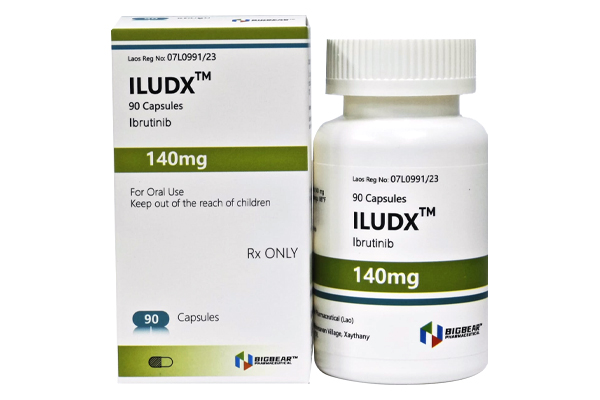
As a critical drug in the clinical treatment of various hematologic malignancies, the standardized use of Ibrutinib directly impacts therapeutic efficacy and patient safety. This article systematically outlines the key points for Ibrutinib administration from two core dimensions: specific usage, adverse reactions, providing a reference for clinical practice and patient self-management.
Specific Usage of Ibrutinib
Ibrutinib must be taken following the core principles of a fixed time and swallowing the capsules whole. Certain dietary restrictions apply during treatment, and dosages vary distinctly by disease. Specific requirements are as follows:
Basic Administration Guidelines
The capsules should be taken orally at the same time each day, swallowed whole with water. Do not open, crush, or chew the capsules. Avoid consuming grapefruit juice during treatment.
Dosage Standards by Indication
Mantle Cell Lymphoma (MCL)
Take 4 capsules daily (total 560 mg). Continue treatment until disease progression or unacceptable toxicity.
Chronic Lymphocytic Leukemia (CLL) / Small Lymphocytic Lymphoma (SLL)
When used as a single agent, take 3 capsules daily (total 420 mg).
Waldenström's Macroglobulinemia (WM)
When used as a single agent, take 3 capsules daily. When used in combination with rituximab, the daily dose remains 3 capsules. When administering both drugs, Ibrutinib should be taken before rituximab.
Special Considerations
Prescribing information for Ibrutinib may vary between different manufacturers. If discrepancies are found, consult a doctor or pharmacist promptly to confirm the correct dosage regimen.
Adverse Reactions of Ibrutinib
Ibrutinib treatment may cause various physical reactions. Common adverse reactions include bleeding (e.g., gum bleeding, easy bruising), increased risk of infections, cytopenias (potentially leading to anemia and fatigue), interstitial lung disease (inflammation or fibrosis of the lungs), cardiac arrhythmias (irregular heartbeat), leukostasis (increased blood viscosity due to high white blood cell count), hypertension, second primary malignancies, and tumor lysis syndrome (metabolic abnormalities caused by rapid cancer cell death). These reactions involve multiple systems and require close monitoring during treatment.