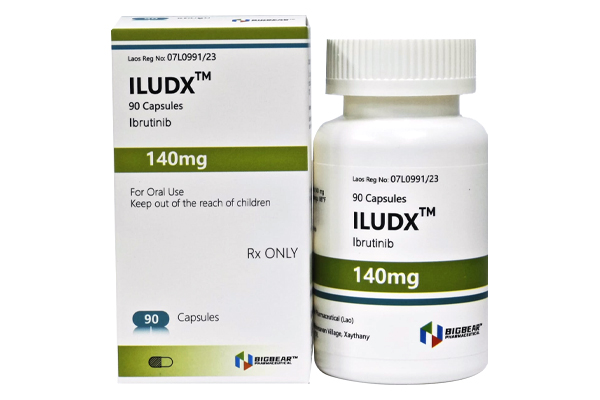
What Symptoms Can Ibrutinib Help Alleviate
Ibrutinib is indicated for the management of specific conditions where conventional treatments are insufficient, including:
Relapsed Mantle Cell Lymphoma (MCL): Used when traditional chemotherapy or radiation therapy fails to effectively control disease progression.
Progressive Lymphocytic Disorders: Suitable for patients with chronic lymphocytic leukemia (CLL) or small lymphocytic lymphoma (SLL) whose condition continues to worsen.
Refractory Hematologic Malignancies: Targeted at patients with Waldenström's macroglobulinemia (WM) who are unresponsive to standard therapy, or for frail patients who cannot tolerate the side effects of chemotherapy.
Combination Therapy Needs: When monotherapy yields insufficient results, ibrutinib can be used in combination with monoclonal antibodies to enhance therapeutic efficacy.
Who Should Use Ibrutinib with Caution?
The following groups of patients require careful consideration and close monitoring when using ibrutinib:
Patients of reproductive age (both men and women): Individuals who can become pregnant or cause pregnancy in their partner.
Patients with moderate to severe hepatic impairment: Reduced liver metabolic capacity in these patients may affect drug breakdown and clearance.
Can Special Populations Use Ibrutinib?
Use in Pregnancy
Women who are pregnant or planning to become pregnant must practice strict contraception while taking ibrutinib. If pregnancy is detected during treatment, the physician must be notified immediately, as the drug may pose risks to fetal development. It is recommended to continue contraception for 1 month after stopping treatment.
Use During Lactation
Breastfeeding mothers must discontinue breastfeeding, as the drug can be excreted in breast milk and potentially cause severe adverse reactions in the nursing infant.
Use in Children
There is currently insufficient research data to confirm the safety and efficacy of ibrutinib in pediatric populations.
Use in Patients with Hepatic Impairment
Consistent with the cautionary guidelines, patients with moderate to severe hepatic impairment require special attention to medication safety.