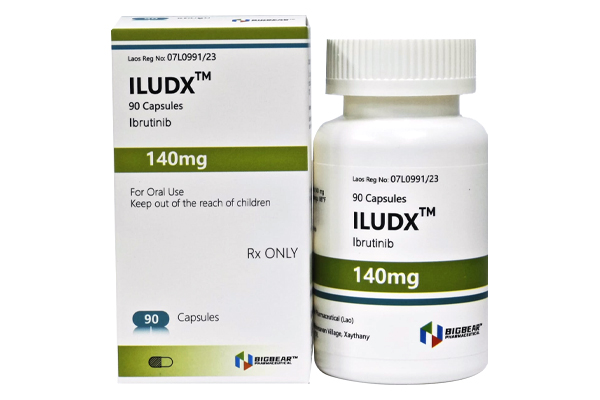
Key Drug Interactions of Ibrutinib
Ibrutinib may interact with a variety of medications and dietary components, which can affect its efficacy and safety. The main interactions are as follows:
Metabolic Pathway Note
Ibrutinib is primarily metabolized by the hepatic enzyme cytochrome P450 3A4 (CYP3A4). Concomitant use of strong or moderate CYP3A inhibitors (such as certain antibiotics and antifungals) may lead to elevated drug concentrations in the body, increasing the risk of adverse reactions.
Dietary Precautions
During treatment with ibrutinib, consumption of grapefruit and Seville oranges (bitter oranges) should be avoided. The compounds present in these fruits can interfere with the metabolic pathway of the drug, potentially altering its pharmacokinetic profile.
Contraindicated Drug Combinations
Co-administration of ibrutinib with strong CYP3A inducers is strictly prohibited. These agents include carbamazepine (an antiepileptic), rifampicin (an anti-tuberculosis drug), phenytoin (an antiepileptic), and St. John's Wort (a herbal extract). Such co-administration may significantly reduce the therapeutic efficacy of ibrutinib by accelerating its metabolic clearance.
Protocol for Discontinuation and Dose Modification of Ibrutinib
When specific severe adverse reactions occur during Ibrutinib treatment, immediate actions such as treatment interruption, dose adjustment, or permanent discontinuation are required. Specific indications and procedures are as follows:
Indications for Immediate Treatment Interruption
Treatment with Ibrutinib should be interrupted upon the occurrence of any of the following:
Grade 3 or higher non-hematological adverse reactions (e.g., severe vomiting, severe rash).
Grade 3 neutropenia with fever or infection.
Grade 4 hematological toxicity.
Principles for Resuming Treatment and Dose Adjustment
Once the above adverse reactions have improved to Grade 1 (mild) or resolved completely, treatment may be resumed at the standard dose. If the same toxicity recurs, dose reduction should follow these steps:
First recurrence: Reduce the daily dose by 140 mg.
Second recurrence: Reduce the daily dose by an additional 140 mg.
Indications for Permanent Discontinuation
Ibrutinib should be permanently discontinued if toxicity persists or recurs after two dose reductions.