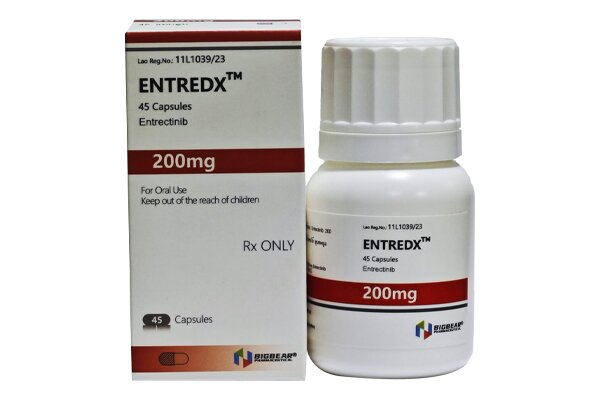
The European Commission (EC) has approved the targeted anticancer drug Rozlytrek (entrectinib) for the treatment of pediatric and adult patients aged 12 years and older with neurotrophic tyrosine receptor kinase (NTRK) gene fusion-positive solid tumors, specifically those with locally advanced, metastatic, or surgically resectable disease that would lead to severe illness, who have not previously received NTRK inhibitors, and who have no satisfactory treatment options.
In addition, the EC has also approved Rozlytrek for the treatment of adult patients with ROS1-positive, advanced non-small cell lung cancer (NSCLC) who have not previously received ROS1 inhibitors.
The EU approval of Rozlytrek is based on data from multiple clinical studies, including the pivotal Phase II STARTRK-2 study, the Phase I STARTRK-1 study, the Phase I ALKA-372-001 study, and the Phase I/II STARTRK-NG study in pediatric patients. These studies demonstrate that Rozlytrek provides durable responses to a variety of NTRK fusion-positive solid tumors (including sarcoma, non-small cell lung cancer, salivary gland-like secretory carcinoma (MASC), secretory and non-secreting breast cancer, thyroid cancer, colorectal cancer, neuroendocrine tumors, pancreatic cancer, ovarian cancer, endometrial cancer, cholangiocarcinoma, gastrointestinal cancer, and neuroblastoma) and ROS1-positive NSCLC. The meta-analysis results are as follows:
Treatment of NTRK fusion-positive solid tumors: The overall response rate (ORR, 74 patients) of Rozlytrek was 63.5%, with objective responses observed in 13 different solid tumor types. The median duration of response (DoR) was 12.9 months (range: 9.3 – not reached).
Treatment of ROS1-positive advanced NSCLC: The overall response rate (ORR; 94 patients, median follow-up 12 months) of Rozlytrek was 73.4%, with a median DoR of 16.5 months (range: 14.6 months–28.6 months). In 161 patients followed for 6 months, including 29% with central nervous system (CNS) metastases, the ORR was 67.1%.
Patients with baseline CNS metastases: All patients showed a response to Rozlytrek, with intracranial ORRs of 62.5% and 79.2% in the NTRK and ROS1 patient populations, respectively.
Treatment of pediatric patients: Rozlytrek shrank tumors in all children and adolescents with NTRK gene fusions (n=5) (ORR=100%), with 2 achieving complete remission (CR=40%). Objective responses were observed in 2 patients with primary high-grade tumors, with 1 achieving a complete remission.
Rozlytrek is well tolerated, and the most common adverse reactions include: fatigue, constipation, altered taste (haste), swelling (edema), dizziness, diarrhea, nausea, neurological disorders (sensory disturbances), shortness of breath (dyspnea), anemia, weight gain, increased serum creatinine, pain, cognitive impairment, vomiting, cough, and fever.