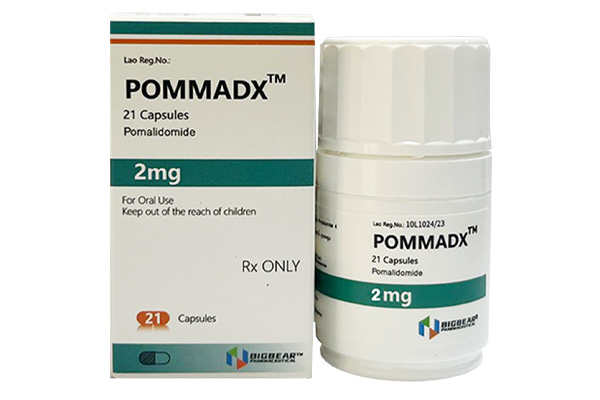
Pomalidomide is a small-molecule immunomodulatory drug that exerts its therapeutic effects by inhibiting tumor cell proliferation, inducing tumor cell apoptosis, and regulating the immune microenvironment. It is currently mainly used to treat relapsed/refractory multiple myeloma and HIV-related Kaposi's sarcoma that has progressed despite high-potency antiretroviral therapy (HAART).
Purchasing Channels for Pomalidomide
Pomalidomide has been approved for marketing in China. Patients can purchase it through the following legal channels. All channels require a valid prescription from a doctor. Do not purchase medication from unqualified individuals or platforms to avoid buying counterfeit or substandard drugs.
Purchase from a Hospital Pharmacy
Patients should first consult a hematologist, oncologist, or HIV specialist. After a detailed evaluation of the patient's condition (e.g., for multiple myeloma, confirming previous treatment plans and efficacy; for Kaposi's sarcoma, considering HIV infection control), and confirming eligibility for medication, the doctor will issue a prescription. Patients can then directly pay and collect the medication at the hospital pharmacy with the prescription.
Purchase from Chain Pharmacies
Bring a valid prescription from your hospital to the prescription drug counter of a large chain pharmacy holding a "Drug Business License" for consultation and purchase. The pharmacist will review the prescription and sell the medication only after confirming its accuracy.
Purchase from Reputable Online Platforms
Choose a qualified and reputable online platform to purchase medication. This allows you to complete the purchase without leaving home, which is especially suitable for patients with limited mobility, those seeking medical treatment in other locations, or those whose local hospitals/pharmacies are out of stock. Some platforms also offer online pharmacist consultation services to answer medication-related questions at any time.
Daily Care for Kaposi's Sarcoma and Multiple Myeloma
Although Kaposi's sarcoma (especially the HIV-related type) and multiple myeloma are different diseases, both are wasting diseases, and patients generally have low immunity. Daily care should focus on core dimensions such as disease monitoring, infection prevention, and nutritional support, while also developing personalized measures based on the specific characteristics of each disease.
Disease Monitoring and Safe Medication Care
Both diseases require long-term medication and are prone to adverse reactions. Accurate monitoring and standardized medication use are the core of care.
(1) Common Monitoring and Medication:
1. Adverse Reaction Monitoring: Pomalidomide may cause hematological toxicity such as neutropenia and thrombocytopenia. Weekly blood tests are necessary. If symptoms such as fever (temperature ≥38.5℃), gingival bleeding, or skin ecchymosis occur, seek medical attention immediately. Simultaneously monitor for non-hematological reactions such as rash, diarrhea, and fatigue. Mild symptoms can be treated symptomatically as prescribed by a doctor; severe symptoms require dosage adjustment.
2. Medication Guidelines: Strictly adhere to the dosage and cycle prescribed by the doctor. Pomalidomide capsules must be swallowed whole; do not break, chew, or open them. Maintain a fixed daily dosage time. If a dose is missed, take it as soon as you remember. If it is close to the next scheduled dose, do not double the dose; continue taking the original dose. Do not stop taking the medication or adjust the dosage on your own.
3. Drug Interactions: Inform your doctor about all medications you are currently using (including prescription drugs, over-the-counter drugs, traditional Chinese medicine, and health supplements). For example, if a Kaposi's sarcoma patient is taking anti-HIV drugs concurrently, drug interactions should be investigated to avoid affecting efficacy or increasing toxicity.
(2) Personalized Monitoring:
1. Kaposi's Sarcoma: Observe the size, color, and number of skin lesions (such as purple patches or nodules) daily. If the lesions rapidly enlarge, ulcerate, bleed, or are accompanied by pain, record this immediately and seek medical attention. HIV-related patients need regular monitoring of HIV viral load and CD4+ T lymphocyte count to ensure effective anti-HIV treatment.
2. Multiple Myeloma: Pay attention to bone pain symptoms, record the location, intensity, and time of onset of pain, and avoid strenuous activity to prevent fractures. Regularly re-examine bone marrow aspiration, serum protein electrophoresis, and other indicators to monitor changes in tumor burden. If symptoms such as nausea, vomiting, and decreased urine output occur, be alert to kidney damage and promptly re-examine kidney function.
Infection Prevention and Nursing Care
Both patients with these conditions have low immunity, making infection a major complication. Therefore, comprehensive protection is needed, including environmental and personal hygiene measures.
(1) Environmental Protection:
1. Ventilate the living environment 2-3 times daily for 30 minutes each time to maintain air circulation; wipe furniture and floors weekly with a chlorine-based disinfectant (such as 84 disinfectant diluted 1:100); regularly change bed sheets and blankets to maintain a clean environment.
2. Avoid going to crowded public places (such as supermarkets, train stations, and general hospital outpatient clinics); wear an N95 mask when necessary; reduce visitor visits, especially avoiding contact with patients suffering from colds, influenza, chickenpox, or other infectious diseases.
(2) Personal Hygiene:
1. Oral Care: Brush teeth with a soft-bristled toothbrush morning and evening; rinse mouth with warm salt water or a mouthwash recommended by a doctor after meals to prevent oral infections and ulcers; seek medical attention promptly if oral mucosal damage occurs.
2. Skin Care: Kaposi's sarcoma patients should keep their skin clean and dry, avoid scratching the affected area, and wear loose, soft cotton clothing to reduce skin friction. Multiple myeloma patients with dry skin can use a mild moisturizer. Both require attention to perianal hygiene; wash with warm water after bowel movements to prevent perianal infections.
3. Other: Wash hands frequently with soap or hand sanitizer and running water, especially before meals, after using the toilet, and after touching public items. Avoid touching mucous membranes such as the eyes and nose.