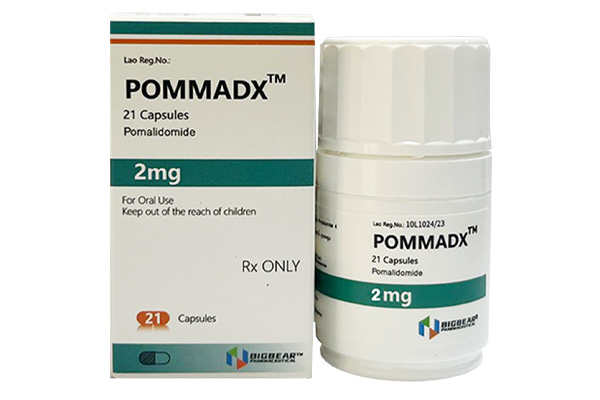
Pomalidomide is an oral immunomodulatory prescription drug, commonly available in capsule form. It works by regulating the immune system to inhibit tumor cell proliferation. Primarily used in combination with dexamethasone, it is used to treat multiple myeloma that has progressed after treatment with lenalidomide or proteasome inhibitors. It can also be used to treat HIV-related Kaposi's sarcoma.
The price of pomalidomide
The price of pomalidomide generally ranges from $36 to $49. However, the exact price varies significantly depending on the drug version, strength, region of purchase, and sales channel. Please consult a professional for specific pricing information.
Daily care for patients with multiple myeloma
Treatment of multiple myeloma requires close coordination between medication and daily care. Scientific care measures can effectively reduce the risk of complications and improve quality of life. The following outlines key points from the perspectives of symptom monitoring, infection prevention, and dietary management.
Monitoring and Nursing Care for Patients with Pomalidomide and Adverse Reactions
Pomalidomide is prone to causing hematological and liver/kidney dysfunction, requiring intensive monitoring and timely intervention:
1. Blood Indicator Monitoring: Complete blood count (CBC) should be performed weekly for the first 8 weeks of treatment, followed by monthly checks. Special attention should be paid to neutrophil and platelet counts. If neutrophils <500/μl or platelets <25000/μl, the doctor should be notified immediately to adjust the dosage or discontinue treatment.
2. Liver and Kidney Function Monitoring: Liver function (ALT, bilirubin, etc.) and kidney function (creatinine, etc.) should be checked monthly. If elevated liver enzymes, jaundice, or abnormal urine output occur, immediate medical attention is required to rule out drug-induced injury.
3. Thrombosis Risk Monitoring: Patients have a higher risk of deep vein thrombosis and pulmonary embolism. If symptoms such as chest pain, dyspnea, or unilateral limb swelling and pain occur, immediate emergency medical attention is necessary.
4. Bone Pain Monitoring: Record the location, severity, and triggers of bone pain attacks. Avoid strenuous activity. Be alert for fracture risk in cases of sudden, severe bone pain and undergo timely imaging examinations.
Infection Prevention and Care
Due to the patient's weakened immunity caused by illness and medication, the risk of infection is significantly increased. Multiple preventative measures are necessary:
1. Environmental Protection: Keep the living environment clean and well-ventilated. Open windows 2-3 times daily for 30 minutes each time. Avoid crowded public places such as supermarkets and hospitals. Wear an N95 mask when necessary.
2. Personal Hygiene: Develop a habit of frequent handwashing with soap or hand sanitizer and running water, especially before meals, after using the toilet, and after touching public items. Maintain oral hygiene by brushing teeth morning and night and rinsing the mouth with warm salt water after meals to prevent oral infections.
3. Symptom Intervention: If signs of infection such as fever (temperature ≥38℃), cough, sore throat, or painful urination appear, seek medical attention immediately. Do not self-medicate with antipyretics to mask the symptoms.
4. Avoid Contact with Infected Individuals: Clearly avoid contact with patients suffering from infectious diseases such as colds, influenza, and chickenpox. If family members develop infection symptoms, isolation measures should be implemented.
Bone Health and Activity Management
Multiple myeloma easily leads to bone damage, requiring strengthened bone health protection and reasonable activity planning:
1. Bone Injury Prevention: Avoid strenuous exercise, heavy lifting, and collisions, such as running and carrying heavy objects; get up and sit up slowly to prevent orthostatic hypotension and falls that could lead to fractures.
2. Appropriate Activity: Choose gentle activities such as walking or Tai Chi, 15-30 minutes each time, 3-5 times a week. This helps promote blood circulation and prevent thrombosis, but overexertion should be avoided.
3. Assistive Measures: Walking aids can be used when necessary; supplement with calcium and vitamin D as prescribed by your doctor, and have regular bone density tests to detect and intervene in bone damage promptly.
4. Pain management: If bone pain occurs, it can be relieved by physical methods such as applying heat and massage. If the pain is significant, you should inform your doctor in time and use pain medication as prescribed. Do not take medication on your own.