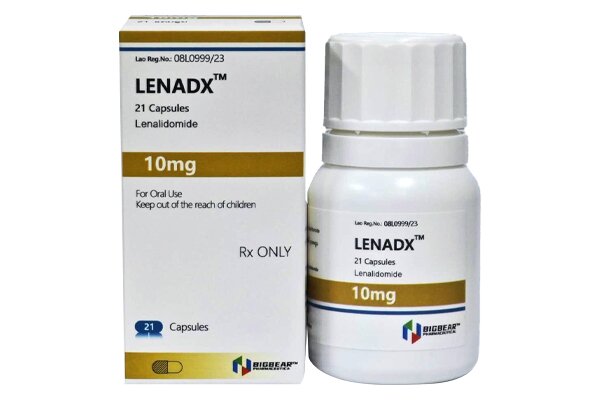
Mechanism of Action and Therapeutic Effects
Lenalidomide is an analog of thalidomide. Although its precise mechanism of action is not fully understood, current research has identified multiple therapeutic properties, including inhibition of tumor growth, reduction of abnormal blood vessel formation, promotion of red blood cell production, and modulation of immune function.
Indications of Lenalidomide
This product is primarily indicated for the treatment of multiple myeloma, a malignant tumor affecting plasma cells in the bone marrow.
Symptom Relief and Patient Populations
Based on the patient’s treatment phase and physical condition, lenalidomide is mainly indicated for the following three groups of patients:
In combination with dexamethasone, for adult patients with newly diagnosed multiple myeloma who are not eligible for bone marrow transplantation.
In combination with dexamethasone, for adult patients with multiple myeloma who have received at least one prior treatment regimen (e.g., patients with relapsed disease after chemotherapy or targeted therapy).
In combination with rituximab, for adult patients with follicular lymphoma who have received prior treatment and require continued therapy (note: the lymphoma grade must be within the 1–3a range).
Common Combination Therapies with Lenalidomide
The therapeutic efficacy of lenalidomide often requires combination with other agents:
Combination with dexamethasone
Indicated for two patient groups: newly diagnosed patients ineligible for bone marrow transplantation, and patients who have received prior treatment and require ongoing therapy.
Combination with rituximab
Specifically for patients with follicular lymphoma (pathological grade 1–3a) who have received prior chemotherapy or targeted therapy.
Important Note
Different combination regimens correspond to distinct disease stages and patient types. The specific treatment plan must be formulated by a qualified physician based on the patient’s individual circumstances.