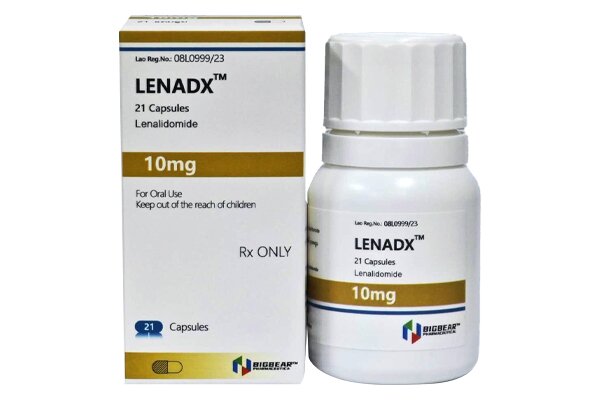
Regulatory Approval for Advanced Mantle Cell Lymphoma
On June 5, 2013, Celgene Corporation announced that the U.S. Food and Drug Administration (FDA) approved a supplemental New Drug Application (sNDA) for Revlimid (lenalidomide). This approval specifically designates Revlimid for the treatment of patients with Mantle Cell Lymphoma (MCL) whose disease has relapsed or progressed after at least two prior therapies, one of which must have included the proteasome inhibitor bortezomib. This decision introduces a critical new option for a patient population with significant unmet medical needs, marking the arrival of the first oral therapeutic agent available for this specific type of lymphoma.
Clinical Evidence from the MCL-001 Phase II Study
The FDA's approval was supported by data from MCL-001, a multi-center, single-arm, open-label Phase II study. the trial evaluated lenalidomide in 134 patients who had been heavily pre-treated with regimens including rituximab, cyclophosphamide, anthracyclines, and bortezomib. Participants were required to have documented refractory disease—defined as a lack of partial response or better during bortezomib treatment—or relapsed disease, defined as progression within one year of a bortezomib-containing regimen.
Efficacy Outcomes and Response Duration
The primary endpoint of the MCL-001 study was the overall response rate (ORR), determined by an independent review committee using a modified version of the International Workshop Lymphoma Response Criteria. The study achieved an ORR of 26% (34/133), with a complete response rate (CR/CRu) of 7%. Notably, for those who responded to the treatment, the median duration of response was 16.6 months, suggesting that lenalidomide can provide a durable clinical benefit in a difficult-to-treat, relapsed patient population.
Dosing Administration Based on Renal Function
The study utilized a tailored dosing strategy based on the patient's creatinine clearance to ensure safety and efficacy. Patients with a creatinine clearance of ≥60mL/min received a 25mg dose of lenalidomide once daily for 21 days of every 28-day cycle. For patients with impaired renal function (creatinine clearance between ≥30mL/min and <60mL/min), the starting dose was adjusted to 10mg once daily on the same 21-day schedule.
Safety Profile and Severe Adverse Reactions
The safety analysis identified several significant Grade 3 or 4 adverse reactions occurring in 5% or more of the study participants. The most frequent hematologic complications were neutropenia (43%), thrombocytopenia (28%), leukopenia (7%), and febrile neutropenia (6%). Non-hematologic Grade 3/4 reactions included anemia (11%), pneumonia (9%), fatigue (7%), diarrhea (6%), and dyspnea (6%). These results emphasize the need for close hematologic monitoring during the course of treatment.
Risk Management and Boxed Warnings
As a thalidomide analogue, Revlimid is subject to strict regulatory controls due to the risk of embryo-fetal toxicity and is contraindicated during pregnancy. It is distributed exclusively through the Revlimid REMS™ restricted program. Beyond fetal risks, the drug carries warnings for deep vein thrombosis (DVT), pulmonary embolism (PE), and severe allergic reactions such as Stevens-Johnson syndrome. Additionally, clinicians must monitor for tumor lysis syndrome, tumor flare reactions, and potential hepatic failure. There is also a noted higher incidence of second primary malignancies in patients receiving Revlimid, necessitating comprehensive patient screening and ongoing clinical vigilance.