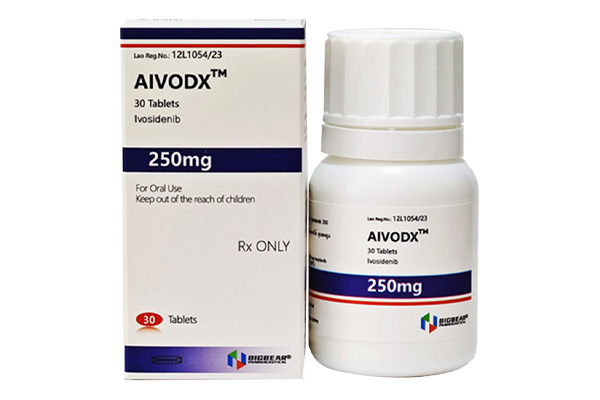
Ivosidenib is used to treat acute myeloid leukemia (AML), cholangiocarcinoma, and myelodysplastic syndromes (MDS) in adult patients with isocitrate dehydrogenase-1 (IDH1) gene mutations confirmed by FDA-approved testing methods.
Mechanism of Action of Ivosidenib
Ivosidenib was the first approved drug in the IDH1 inhibitor class. Its mechanism of action is as follows:
1. Mutations in the IDH1 gene may lead to the accumulation of the carcinogenic metabolite 2-hydroxyglutaric acid (2-HG).
2. Elevated 2-HG levels interfere with the development of immature blast cells (blast cells) into mature cells.
3. Ivosidenib reduces abnormal 2-HG production by inhibiting isocitrate dehydrogenase-1 (IDH1) enzyme.
Ivosidenib Indications Details
1. Acute Myeloid Leukemia (AML)
Acute myeloid leukemia is a blood cancer that causes an increase in the number of abnormal immature white blood cells (blasts) in the blood and bone marrow. Approximately 6% to 10% of patients with acute myeloid leukemia (AML) have an IDH1 mutation.
Approved Indications:
(1) Treatment of adult patients with relapsed or refractory acute myeloid leukemia (i.e., disease relapsed or not improved after previous treatment) who have an IDH1 mutation.
(2) Treatment, alone or in combination with azacitidine, of newly diagnosed adult patients aged ≥75 years or who are unable to use certain chemotherapy drugs due to health problems.
2. Cholangiocarcinoma
Cholangiocarcinoma is a rare, aggressive cancer of the bile ducts, with up to 20% of cases having an IDH1 mutation.
Approved Indication:
Treatment of adult patients with previously treated, locally advanced or metastatic cholangiocarcinoma (meaning cancer that has spread) and a susceptible IDH1 mutation.
3. Relapsed or Refractory Myelodysplastic Syndrome (MDS)
Myelodysplastic syndromes (MDS) are a group of cancers characterized by the inability of immature blood cells in the bone marrow to mature or develop into healthy blood cells. MDS may present with low white blood cell or red blood cell counts, low platelet counts, and in some cases, an increase in monocytes (a type of white blood cell). Symptoms of the disease include shortness of breath and fatigue.
Approved Indication:
Treatment of adult patients with relapsed or refractory myelodysplastic syndrome (meaning the disease has relapsed or failed to improve after previous treatment).