
BIGBEAR
PHARMACEUTICALS
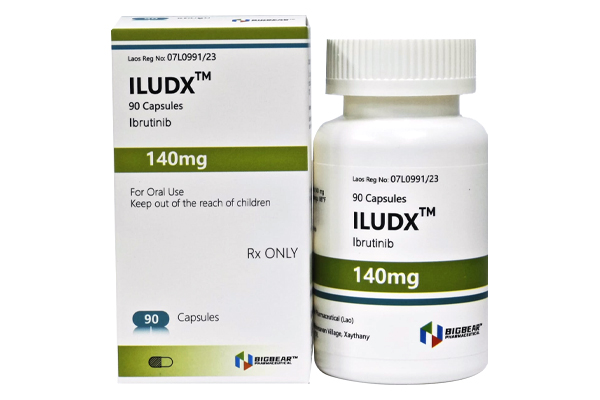
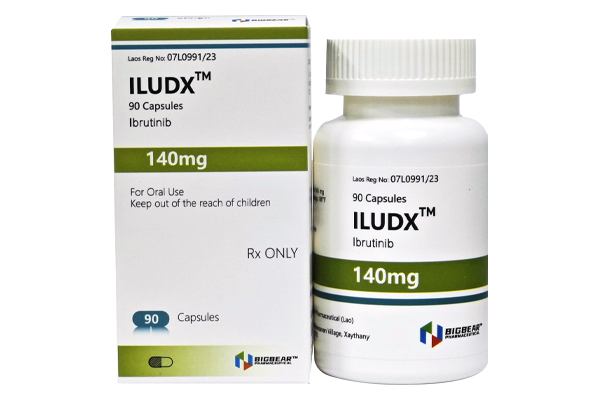
Ibrutinib is a targeted therapy drug. Its main component acts precisely on Bruton's tyrosine kinase (BTK), which functions as a "switch controller" in B cells.

 AuthenticGuaranteeFast DeliveryPrivacy
 Ibrutinib is a small-molecule kinase inhibitor that blocks the B-cell receptor (BCR) signaling pathway, inhibiting the proliferation and survival of malignant B lymphocytes while modulating the tumor microenvironment. It is indicated for the treatment of various B-cell malignancies and chronic graft-versus-host disease (cGVHD).
Indicated for patients who have received at least one other prior treatment regimen with suboptimal response. This type of lymphoma is an aggressive B-cell malignancy.
Used to treat these two closely related hematologic disorders, both characterized by the abnormal proliferation of lymphocytes.
Targeted for two scenarios: patients who have received at least one prior treatment regimen, and patients who are unable to tolerate chemotherapy combined with immunotherapy due to physical reasons.
Used in combination with rituximab specifically to address the treatment needs of Waldenström's macroglobulinemia.
Some patients receiving ibrutinib treatment may experience physical reactions such as fatigue, dizziness, and weakness. If these symptoms occur during medication, patients should pay special attention to their suitability for driving or operating machinery. It is recommended to consult and confirm with a physician based on individual circumstances.
The capsules should be taken orally whole with warm water at the same fixed time each day. Do not open, crush, or chew the capsules. Avoid drinking grapefruit juice during treatment.
Take 4 capsules (total 560 mg) daily, continuing treatment until disease progression or severe adverse reactions occur.
When used as monotherapy, take 3 capsules (total 420 mg) daily.
1.As monotherapy: Take 3 capsules daily.
2.When used in combination with rituximab: Take 3 capsules daily. If both drugs are administered on the same day, ibrutinib should be taken first, followed by rituximab.
Important Note: The package inserts for the same drug from different manufacturers may contain discrepancies. If inconsistencies are found, consult a physician or pharmacist promptly for confirmation.
During treatment with this product, avoid consuming grapefruit and Seville oranges, as these fruits contain CYP3A inhibitors (special components that interfere with drug metabolism).
1.Females who are pregnant or planning a pregnancy must use strict contraceptive measures during treatment. If pregnancy is detected during treatment, the physician must be informed immediately, as the drug may affect fetal development. Contraception is recommended to be continued for 1 month after discontinuation of the drug.
2.Male and female patients of childbearing potential (i.e., those who may become pregnant or cause a partner to become pregnant) should use the drug with caution.
Lactating mothers must discontinue breastfeeding. The drug can pass into breast milk and may cause serious adverse reactions in infants.
Sufficient clinical data to confirm the safety and efficacy of this drug in pediatric patients are currently unavailable.
Patients with moderate or severe hepatic impairment should pay special attention to the safety of drug use and use the drug with caution. Impaired hepatic metabolic function in such populations may affect drug metabolism.
Common adverse reactions include:
1.Bleeding (e.g., gingival bleeding, subcutaneous ecchymosis)、Increased risk of infection、Cytopenia (may cause anemia and fatigue)、Interstitial lung disease (inflammation or fibrosis in the lungs)、Arrhythmia (irregular heartbeat).
2.Leukostasis (excessive leukocytes leading to blood thickening)、Elevated blood pressure、Risk of second primary malignancy、Tumor lysis syndrome (metabolic abnormalities caused by rapid cancer cell death).
Patients who have had allergic reactions (such as immediate and pseudo-immediate hypersensitivity reactions) to ibrutinib or any of the drug's excipients. These allergic reactions include sudden severe responses such as skin redness and swelling, and difficulty breathing.
Treatment should be temporarily suspended if any of the following occur:
1.Grade 3 or higher non-hematologic adverse reactions (e.g., severe vomiting, severe skin rash).
2.Grade 3 neutropenia (severe deficiency of infection-fighting cells) accompanied by fever or infection.
3.Grade 4 hematologic toxic reactions (potentially life-threatening bone marrow suppression).
Once these adverse reactions have resolved to grade 1 (mild) or completely resolved, regular-dose treatment may be restarted. If the same toxic reaction recurs, dose reduction should be implemented gradually:
1.First recurrence: Reduce the dose by 140 mg per day (equivalent to 1 capsule).
2.Second recurrence: Reduce the dose by an additional 140 mg per day.
If the toxic reaction persists or recurs after two dose reductions, permanent discontinuation of the drug is required.
For more detailed drug information, please consult the official package leaflet.
If any issues arise, please contact us immediately.
Email:haiousales@gmail.com

Currently, there are no definitive reference materials specifying the exact time required for the medication to become effective.
There is also no authoritative research data yet on how long the drug can continue to function within the body.
If you forget to take your medicine on time, you can take the missed dose as soon as you realize it on the same day. Resume your normal schedule the following day. Never take a double dose to make up for a missed one.
There is no established protocol for drug overdose yet. If a patient accidentally takes more than the recommended dose, the following actions must be taken immediately: continuously monitor their physical condition and promptly implement supportive treatments, such as intravenous fluids.
Copyright2024@ BIGBEAR All right reserved BIGBEAR


