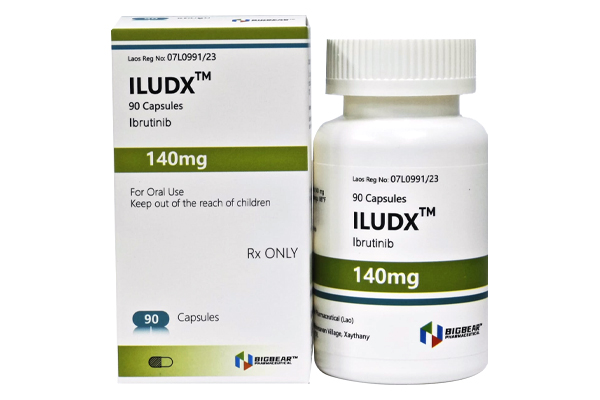
Ibrutinib (Imbruvica) is a kinase inhibitor used to treat various blood cancers and chronic graft-versus-host disease (cGVHD), a serious complication of allogeneic stem cell transplantation.
Ibrutinib (Imbruvica) Indications
Ibrutinib (Imbruvica) is a prescription drug used to treat:
1. Adult patients with mantle cell lymphoma (MCL) who have received at least one prior therapy.
2. Adult patients with chronic lymphocytic leukemia (CLL)/small lymphocytic lymphoma (SLL).
3. Adult patients with chronic lymphocytic leukemia (CLL)/small lymphocytic lymphoma (SLL) with 17p deletion.
4. Adult patients with Waldenström macroglobulinemia (WM).
5. Adult patients with marginal zone lymphoma (MZL) who require oral or injectable medication (systemic therapy) and have received prior therapy for a specific type.
6. Adults and children aged 1 year and older with chronic graft-versus-host disease (cGVHD) who have failed one or more systemic therapies.
Ibrutinib (Imbruvica) Usage Instructions
1. Inform Your Doctor of Your Medical History
Before taking ibrutinib (Imbruvica), inform your healthcare provider of all your health conditions, including:
(1) Recent surgery or planned surgery. Your healthcare provider may discontinue ibrutinib (Imbruvica) during any planned medical, surgical, or dental procedures.
(2) Bleeding problems.
(3) Having or having had heart rate problems, smoking, or a medical condition that increases the risk of heart disease, such as high blood pressure, high cholesterol, or diabetes.
(4) Having an infection.
(5) Having a liver problem.
2. How to Take Tablets or Capsules
Take once daily at approximately the same time.
Swallow the ibrutinib (Imbruvica) capsule or tablet whole with a glass of water.
Do not open, break, or chew the capsules.
Do not cut, crush, or chew the tablets.
3. Oral Suspension Administration Instructions
Step 1: Prepare and Check Supplies
Check the child's prescription dosage (in milliliters). Locate the corresponding milliliter graduation on the syringe.
Prepare the vial and syringe.
Step 2: Record or Check the Disposal Date
Use within 60 days of opening.
Step 3: Shake the Vial Before Each Use
Step 4: Remove the Vial Cap
Press the cap and rotate it counterclockwise to remove it from the vial. Do not remove the vial adapter.
Step 5: Connect the Syringe to the Vial
Ensure the syringe is clean and dry before use. Gently insert the syringe tip into the adapter. Invert the assembled vial and syringe.
Step 6: Fill the Syringe
Slowly pull down the syringe plunger, exceeding the prescription dosage in milliliters. Check for air bubbles.
Step 7: Remove Air Bubbles and Adjust to the Prescription Dosage (milliliters)
Hold the syringe and tap the side to gather air bubbles at the tip.
With the syringe connected to the vial, push the plunger upwards to remove air bubbles from the top.
Air bubbles must be removed to ensure correct dosage. If air bubbles remain, repeat steps 6 and 7.
Step 8: Remove the syringe from the vial
Hold the assembled vial vertically. Hold the syringe by the middle and carefully remove it from the vial.
Step 9: Administer the ibrutinib oral suspension
Place the syringe tip along the inside of the child's cheek.
Slowly push the plunger in completely to administer the full dose.
Step 10: Replace the vial cap
Replace the cap on the vial. Ensure the vial is tightly closed after each use.
Step 11: Rinse the syringe
Recommended Dosage of Ibrutinib (Imbruvica)
1. Mantle cell lymphoma and marginal zone lymphoma: 560 mg orally once daily.
2. Chronic lymphocytic leukemia/small lymphocytic lymphoma and Waldenström macroglobulinemia: 420 mg orally once daily. 3. Chronic graft-versus-host disease in patients aged 12 years and older
(1) Adult patients: 420 mg orally once daily.
(2) Patients under 12 years of age: The recommended dose is 240 mg/m² orally once daily (maximum dose 420 mg).
Side effects of Ibrutinib (Imbruvica)
1. Serious side effects
(1) Bleeding problems: Blood or black stools (appearing tarry), pink or brown urine, unexpected bleeding, or severe and uncontrollable bleeding, vomiting blood or vomit that looks like coffee grounds, coughing up blood or blood clots, worsening bruising, dizziness, weakness, confusion, speech changes, prolonged or severe headache.
(2) Infection: If fever, chills, weakness, confusion, or other signs or symptoms of infection occur during ibrutinib treatment, inform your healthcare provider immediately.
(3) Heart Problems: Serious heart rhythm problems (ventricular arrhythmias, atrial fibrillation, and atrial flutter), heart failure, and death have occurred in people receiving ibrutinib, especially those at increased risk of heart disease, with infections, or with a history of heart rhythm problems. Inform your healthcare provider if you experience any symptoms of heart problems, such as a rapid and irregular heartbeat, dizziness, vertigo, shortness of breath, swelling in your feet, ankles, or legs, chest discomfort, or fainting.
(4) High Blood Pressure: New or worsening high blood pressure may occur in people receiving ibrutinib.
(5) Decreased Blood Cell Counts: Decreased blood cell counts (white blood cells, platelets, and red blood cells) are common with ibrutinib.
(6) Second Primary Cancer: The development of a new cancer, including skin cancer or cancer in other organs, during ibrutinib treatment.
(7) Tumor Lysis Syndrome (TLS): TLS is caused by the rapid breakdown of cancer cells. TLS can lead to kidney failure and dialysis requirements, heart rhythm disorders, seizures, and sometimes even death.
2. Common Side Effects
(1) B-cell Malignancies
In adults with B-cell malignancies (mantle cell lymphoma, chronic lymphocytic leukemia/small lymphocytic lymphoma, Waldenström macroglobulinemia, and marginal zone lymphoma), the most common side effects of ibrutinib include:
diarrhea, fatigue, muscle and bone pain, rash, bruising
(2) Chronic Graft-versus-Host Disease
In adults with chronic graft-versus-host disease and children 1 year and older, the most common side effects of ibrutinib include:
fatigue, muscle and joint pain, nausea, low red blood cell count (anemia), fever, stomach pain, bruising, muscle cramps, pneumonia, diarrhea, oral ulcers (stomatitis), headache, low platelet count, bleeding.
Ibrutinib (Imbruvica) Drug Interactions
Inform your doctor about all medications you are taking, including prescription and over-the-counter drugs, vitamins, and herbal supplements. Taking Ibrutinib (Imbruvica) concurrently with certain other medications may affect its efficacy and may cause side effects.
Ibrutinib (Imbruvica) Storage Instructions:
Ibrutinib Capsules and Tablets:
Store at room temperature (20°C to 25°C). Keep capsules in their original containers with the caps tightly closed. Keep tablets in their original packaging.
Ibrutinib Oral Suspension:
Store at 2°C to 25°C. Do not freeze the oral suspension. Use the oral suspension within 60 days of first opening. Discard any unused portion after 60 days of opening.
Ibrutinib (Imbruvica) Main Ingredients:
Active Ingredient: Ibrutinib.