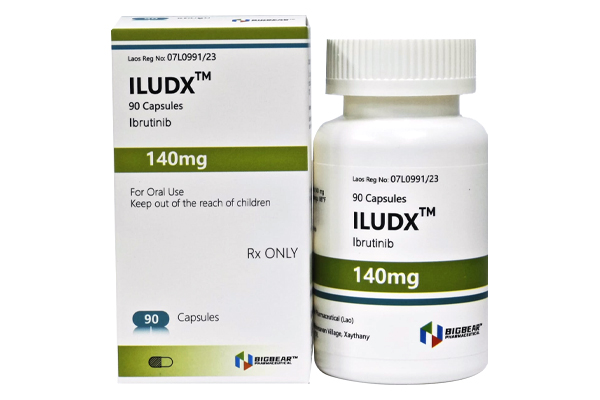
Ibrutinib is an oral Bruton's tyrosine kinase (BTK) inhibitor, first approved by the US FDA in November 2013 for the treatment of mantle cell lymphoma (MCL). It is included in China's National Reimbursement Drug List (NRDL) Category B.
Ibrutinib Indications:
1. Chronic Lymphoblastic Leukemia (CLL)/Small Lymphoblastic Lymphoma (SLL): For the treatment of chronic lymphocytic leukemia and small lymphocytic lymphoma, including CLL/SLL with 17p13.1 deletion (17p deletion) chromosomal abnormalities; the US Food and Drug Administration (FDA) has designated it as an orphan drug for this purpose.
2. Waldenström Macroglobulinemia (WM): For the treatment of Waldenström macroglobulinemia (WM); the FDA has designated it as an orphan drug for this purpose.
3. Graft-versus-host disease (GVHD) Used to treat chronic graft-versus-host disease in adults and children aged 1 year and older who have failed ≥1 prior systemic therapy; the FDA has designated it as an orphan drug for this purpose.
Ibrutinib Screening and Monitoring
1. Pretreatment Screening
(1) Assess cardiac history and function at baseline.
(2) Assess baseline risk of tumor lysis syndrome.
(3) Verify pregnancy status in women of reproductive potential.
(4) Assess bilirubin and transaminase levels at baseline.
2. Patient Monitoring
(1) Monitor complete blood count (CBC) monthly.
(2) Monitor for signs and symptoms of bleeding. Concurrent use of antiplatelet or anticoagulant therapy increases the risk of serious bleeding.
(3) Monitor for signs and symptoms of infection, including fever.
(4) Monitor for symptoms of arrhythmias and heart failure.
(5) Monitor blood pressure.
(6) Monitor for tumor lysis syndrome. (7) Monitor bilirubin and transaminase levels. Patients experiencing abnormal liver function tests or clinical signs and symptoms of hepatotoxicity during treatment should be monitored more frequently.
Ibrutinib Administration Precautions
1. Administration Method
(1) Oral administration
(2) Once daily, at approximately the same time each day.
(3) Swallow capsules whole with a glass of water. Do not open, break, or chew.
(4) Swallow tablets whole with a glass of water. Do not cut, crush, or chew.
(5) For detailed instructions on administration of the oral suspension, please refer to the complete instructions for use in the prescription information.
2. Missed Dosage Management
If a dose is missed, take the missed dose as soon as you remember it on the same day and resume normal dosing the following day; do not take an extra dose on the same day to make up for the missed dose.
Recommended Dosage of Ibrutinib
1. Recommended Dosage for Children
(1) Chronic Graft-versus-Host Disease (GVHD)
Children 12 years and older: 420 mg once daily.
Children 1 to 12 years and younger: 240 mg/m² once daily (maximum dose 420 mg). Continue treatment until progression of GVHD, recurrence of underlying malignancy, or unacceptable toxicity. Discontinue treatment when GVHD is no longer necessary.
2. Recommended Dosage for Adults
(1) Chronic Lymphocytic Leukemia (CLL)/Small Lymphocytic Lymphoma (SLL)
420 mg orally once daily (as monotherapy, in combination with bendamustine and rituximab, or in combination with rituximab or olibutuzumab). Continue treatment until disease progression or unacceptable toxicity.
If administered on the same day, consider giving ibrutinib before rituximab or olibutuzumab.
(2) Waldenström macroglobulinemia (WM) 420 mg orally once daily (as monotherapy or in combination with rituximab). Continue treatment until disease progression or unacceptable toxicity.
If administered on the same day, consider giving ibrutinib before rituximab.
(3) Chronic graft-versus-host disease (GVHD) 420 mg orally once daily until progression of chronic GVHD, recurrence of underlying malignancy, or unacceptable toxicity. Discontinue treatment when chronic GVHD no longer requires treatment.
Dosage Adjustment for Ibrutinib in Special Populations
1. Hepatic Impairment
(1) Adult B-cell Malignancies
Including chronic lymphocytic leukemia/small lymphocytic lymphoma or Waldenström macroglobulinemia:
Mild (Child-Pugh A) Hepatic Impairment: Reduce the dose to 140 mg once daily.
Moderate (Child-Pugh B) Hepatic Impairment: Reduce the dose to 70 mg once daily.
Severe (Child-Pugh C) Hepatic Impairment: Avoid use.
(2) Patients with Chronic Graft-versus-Host Disease
Patients aged 12 years and older with total bilirubin levels >1.5-3 times the ULN (unless it is non-hepatic or due to Gilbert's syndrome): The recommended dose is 140 mg once daily.
For patients aged 1 to <12 years with total bilirubin levels >1.5-3 times the ULN (unless it is non-hepatic or due to Gilbert's syndrome): The recommended dose of ibrutinib is 80 mg/m²/day.
For patients with total bilirubin levels >3 times the ULN (unless it is non-hepatic or due to Gilbert's syndrome): Avoid use.
2. Renal impairment
There are currently no specific dosage recommendations.
3. Elderly patients
There are currently no specific dosage recommendations.
Common adverse reactions of ibrutinib:
1. B-cell malignancies (≥30%): Thrombocytopenia, diarrhea, anemia, neutropenia, musculoskeletal pain, rash, bruising, nausea, fatigue.
2. Chronic graft-versus-host disease (≥20%; adults and pediatric patients): Fatigue, anemia, bruising, diarrhea, thrombocytopenia, musculoskeletal pain, fever, muscle cramps, stomatitis, nausea, bleeding, abdominal pain, headache, pneumonia.
Ibrutinib Precautions
1. Bleeding: Serious (Grade 3 or higher) bleeding events have been observed, including intracranial hemorrhage, subdural hematoma, gastrointestinal bleeding, hematuria, and postoperative bleeding.
The risk of bleeding events increases when ibrutinib is used concurrently with antiplatelet or anticoagulant therapy; the potential benefits and risks of concurrent anticoagulant or antiplatelet therapy must be weighed. Monitor for bleeding manifestations.
2. Infection: Serious infections (bacterial, viral, or fungal), progressive leukoencephalopathy, and Pneumocystis jirovecii (protozoonops) pneumonia have been observed.
Monitor for signs and symptoms of infection and initiate appropriate anti-infective therapy based on clinical indications. For patients at high risk of opportunistic infections, consider prophylaxis according to current standards of care.
3. Cholestasis: Cholestasis, including thrombocytopenia, anemia, and neutropenia, has been observed. Severe (grade 3 or 4) cytopenia has been observed in patients with B-cell malignancies treated with ibrutinib monotherapy.
Monthly monitoring of complete blood counts is recommended. If myelosuppression occurs, reduce the dose or discontinue treatment.
4. Cardiac Arrhythmias, Heart Failure, and Sudden Death: Severe arrhythmias and heart failure (sometimes fatal) have been observed, including (grade 3 or higher) ventricular tachycardia, atrial fibrillation, and atrial flutter.
Patients with cardiac risk factors, hypertension, diabetes, acute infections, or a history of arrhythmias are at increased risk. There have been reports of sudden death or death from cardiac causes.
5. Hypertension: Hypertension (grade 3 or higher) has been reported. Monitor blood pressure. If hypertension occurs, initiate or adjust antihypertensive therapy according to clinical indications.
6. Second Primary Malignancy: Other malignancies have been reported, including non-skin cancers. Non-melanoma skin cancer is the most common second primary malignancy.
7. Hepatotoxicity, including drug-induced liver injury
Hepatotoxicity has been reported, including severe, life-threatening, and potentially fatal cases of drug-induced liver injury (DILI).
Assess bilirubin and transaminases at baseline and throughout treatment. For patients who develop abnormal liver function tests after ibrutinib treatment, monitor for abnormalities and clinical signs and symptoms of hepatotoxicity more frequently.
8. Tumor lysis syndrome
Tumor lysis syndrome has been reported rarely. Assess the risk of developing tumor lysis syndrome at baseline and take appropriate precautions. Closely monitor the patient and treat according to clinical indications.
9. Fetal/Neonatal Morbidity and Death
Based on animal studies, there is a possibility of fetal harm. Verify the pregnancy status of women of reproductive potential before initiating ibrutinib treatment. Inform patients of the potential fetal harm. Advise women of reproductive potential and men with partners of women of reproductive potential to use effective contraception during ibrutinib treatment and for one month after the last dose.
Ibrutinib Use in Special Populations
1. Pregnancy: Based on animal studies, it may cause harm to the fetus. Pregnancy status must be verified before treatment, and potential risks must be explained during pregnancy.
2. Lactation: Whether the drug enters human breast milk and its effects on infants are unclear. Breastfeeding should be avoided during treatment and for one week after discontinuation.
3. Individuals of Reproductive Potential: Pregnancy status must be verified before treatment. Both male and female patients must use effective contraception during treatment and for one month after discontinuation.
4. Pediatric Use: The safety and efficacy of ibrutinib in patients ≥1 year of age for the treatment of chronic graft-versus-host disease have been established.
The safety of ibrutinib in patients <1 year of age or for CLL/SLL or Waldenström macroglobulinemia has not been established.
5. Elderly Use: Efficacy is not different from that in younger adults, but adverse reactions such as anemia and pneumonia are more frequent.
6. Hepatic Impairment: Contraindicated in patients with severe hepatic impairment (Child-Pugh C). Mild to moderate impairment requires dose reduction and close monitoring.
7. Renal Impairment
Mild to moderate impairment (creatinine clearance >25 mL/min) requires no dose adjustment. There is no experience with this drug in patients with severe impairment or on dialysis.
Ibrutinib Drug Interactions
1. Drugs and Foods Affecting Hepatic Microsomal Enzymes
CYP3A Inhibitors
Concomitant use with potent or intermediate-potency CYP3A inhibitors may increase plasma concentrations of ibrutinib, increasing the risk of drug-related toxicity.
CYP3A Inducers
Concomitant use with potent or intermediate-potency CYP3A inducers may decrease plasma concentrations of ibrutinib.
Avoid concomitant use with potent CYP3A inducers.
2. Substrates of Efflux Transport Systems
Concomitant use with oral medications containing P-gp or BCRP substrates (such as digoxin or methotrexate) may increase the concentration of the substrate drug.
3. Specific Medications and Foods
Anticoagulants: May increase the risk of bleeding events.
Antiplatelet drugs: May increase the risk of bleeding events.
Grapefruit or grapefruit juice: Grapefruit products are medium to strong CYP3A inhibitors; may increase ibrutinib concentrations. Avoid concurrent use.
Oranges or orange juice: Seville orange products are medium to strong CYP3A inhibitors; may increase ibrutinib concentrations. Avoid concurrent use.
Note: For detailed information, please refer to the original drug instructions. Specific medication use should be followed as directed by your doctor.
Storage of Ibrutinib
Capsules: 20-25°C (short-term fluctuations between 15-30°C are permissible). Keep in original packaging before dispensing.
Tablets: 20-25°C (short-term fluctuations between 15-30°C are permissible). Store in original packaging.
Oral suspension: 2-25°C; do not freeze. Dispense from the original sealed container; do not use if the packaging seal is missing or broken. Discard any remaining unused oral suspension 60 days after first opening.