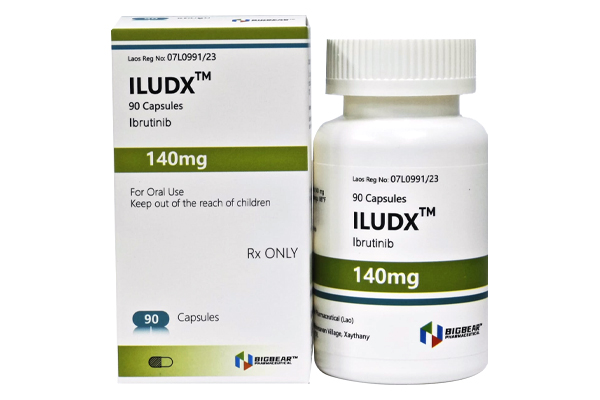
Ibrutinib is an oral Bruton's tyrosine kinase (BTK) inhibitor, approved by the US FDA in 2013.
Ibrutinib Side Effects Requiring Immediate Medical Attention
If the following side effects occur while using ibrutinib, seek immediate medical attention:
1. Common Side Effects of Ibrutinib
(1) Back pain, bladder pain, swelling of the face, arms, hands, lower legs, or feet, bloody stools, melena (tarry stools), hematuria, cloudy urine, blurred vision, general body pain, chest pain, chest tightness, chills, confusion, cough;
(2) Decreased urine output or frequency, difficulty urinating, burning or painful urination, dizziness, lightheadedness, drowsiness, dry mouth, syncope, rapid heartbeat, arrhythmia, fever, frequent urination, headache, wrinkled skin, abnormal weight gain or loss, vomiting, vomiting blood, vomitus resembling coffee grounds.
(3) Hoarseness, increased thirst, arrhythmia, itching, decreased appetite, lower back pain, nausea, rapid weight gain, seizures, severe headache, severe abdominal pain, sore throat, numbness and tingling in the hands and feet, difficulty breathing, oral ulcers, sores, or white spots, abnormal bleeding, bruising, and unusual fatigue.
2. Less common side effects of ibrutinib
Persistent, non-healing ulcers, pinkish skin hyperplasia, red patches or irritated areas on the skin, shiny lumps on the skin, and white, yellow, or waxy scar-like areas on the skin.
3. Ibrutinib Side Effects with Unknown Incidence
(1) Blistering, peeling, or loosening of the skin; dark urine; diarrhea; dilated jugular veins; difficulty swallowing; general fatigue or weakness; wheals; skin rash; joint pain, stiffness, or swelling; light-colored stools; muscle pain;
(2) Honeycomb-like swelling of the face, eyelids, lips, tongue, throat, hands, legs, feet, or genitals; swelling or edema of the eyelids or around the eyes, face, lips, or tongue; red skin lesions, usually with a purple center; red, itchy eyes; yellow eyes or skin.
Mild Side Effects of Ibrutinib
If the following side effects persist, cause discomfort, or you have any questions, please consult a healthcare professional:
Common Side Effects of Ibrutinib
Breakiness, loss of appetite, difficulty defecating, heartburn, indigestion, weakness, fatigue, muscle stiffness or cramps, small red or purple spots on the skin, stomach upset, discomfort or pain, swelling or inflammation of the mouth.
Side Effects of Ibrutinib for Healthcare Professionals' Reference
1. Most Common Adverse Reactions
(1) B-cell malignancies
Including thrombocytopenia, diarrhea, fatigue, musculoskeletal pain, neutropenia, rash, anemia, bruising, nausea, bleeding, arthralgia, and upper respiratory tract infection.
(2) Chronic graft-versus-host disease
Including fatigue, anemia, bruising, diarrhea, thrombocytopenia, musculoskeletal pain, fever, muscle cramps, stomatitis, bleeding, nausea, abdominal pain, pneumonia, and headache.
2. Specific Adverse Reactions
(1) Cardiovascular System
Very common (incidence 10% or higher): Hypertension (up to 42%), atrial fibrillation (up to 15%), sinus tachycardia (up to 11%).
Common (incidence 1%-10%): Atrial flutter, heart failure, ventricular tachyarrhythmias (including premature ventricular contractions, ventricular arrhythmias, ventricular fibrillation, ventricular flutter, ventricular tachycardia), death/sudden death due to cardiac causes.
Uncommon (incidence 0.1%-1%): Cardiac arrest.
Unknown incidence: Arrhythmias.
Post-marketing reports: Heart failure, ventricular tachyarrhythmias. (2) Skin and subcutaneous tissue: Very common (10% or more): bruising/contusions (up to 51%), rash (up to 49%), petechiae (up to 16%), skin infections (up to 18%), pruritus (up to 13%)
Common (1%-10%): erythema, urticaria
Uncommon (0.1%-1%): angioedema
Post-marketing reports: angioedema, urticaria, Stevens-Johnson syndrome, nail fragmentation, panniculitis, neutrophilic dermatitis, erythema.
(3) Gastrointestinal tract: Very common (10% or more): diarrhea (up to 59%), nausea (up to 40%), stomatitis (up to 29%), abdominal pain (up to 23%), constipation (up to 22%), vomiting (up to 19%), dyspepsia (up to 16%), gastroesophageal reflux disease (up to 12%).
(4) Genitourinary System: Very common (incidence 10% or higher): Urinary tract infection (up to 13%).
(5) Hematologic and Lymphatic System: Very common (incidence 10% or higher): Thrombocytopenia (up to 69%), neutropenia (up to 66%), decreased neutrophil count (up to 55%), decreased hemoglobin (up to 49%), bleeding events (including bruising, petechiae; up to 39%), thrombocytopenia (up to 36%), bleeding (up to 32%), anemia (up to 17%), lymphocytosis (up to 15%).
Common (incidence 1%-10%): Severe bleeding (e.g., intracranial hemorrhage [including subdural hematoma], gastrointestinal bleeding, hematuria, postoperative bleeding), febrile neutropenia, leukocytosis, subdural hematoma.
Uncommon (incidence 0.1%-1%): Fatal bleeding events, leukocytosis syndrome.
(6) Hepatobiliary System: Very common (incidence 10% or higher): Elevated bilirubin (up to 30%), elevated aspartate aminotransferase (AST) (up to 25%), elevated alanine aminotransferase (ALT) (up to 11%).
Post-marketing reports for ibrutinib: Liver failure (including acute events and fatal events), cirrhosis, hepatitis B reactivation, hepatotoxicity.
(7) Hypersensitivity Reactions: Post-marketing reports: Anaphylactic shock.
(8) Immune System: Very common (incidence 10% or higher): Hypogammaglobulinemia (up to 11%).
(9) Metabolism and Nutrition: Very common (incidence 10% or higher): Hyperuricemia (up to 19%), decreased appetite (up to 16%), hypokalemia (up to 15%).
Common (incidence 1%-10%): Tumor lysis syndrome, hyponatremia.
Post-marketing reports for ibrutinib: Tumor lysis syndrome.
(10) Musculoskeletal and Connective Tissue Very common (incidence 10% or higher): Musculoskeletal pain (up to 61%), arthralgia (up to 41%), muscle spasms (up to 29%), osteonecrosis (up to 11%).
(11) Nervous System Very common (incidence 10% or higher): Headache (up to 40%), dizziness (up to 21%), peripheral neuropathy (up to 19%).
Common (incidence 1%-10%): Ischemic cerebrovascular events (including cerebrovascular accident, ischemic stroke, cerebral ischemia, transient ischemic attack).
Incidence unknown: Progressive multifocal leukoencephalopathy.
Post-marketing reports of ibrutinib: Peripheral neuropathy, cerebrovascular accident, transient ischemic attack, ischemic stroke.
(12) Ocular Very common (incidence 10% or higher): Dry eye (up to 17%), blurred vision (up to 13%), increased tearing (up to 13%), decreased vision (up to 11%), conjunctivitis (up to 11%).
Post-marketing report: Ocular hemorrhage.
(13) Tumors Very common (incidence 10% or higher): Second primary malignancy (10%), other malignancies (including non-skin cancer; 10%).
Common (incidence 1%-10%): Non-melanoma skin cancer, non-skin cancer, basal cell carcinoma, squamous cell carcinoma.
Incidence unknown: Histiocytic sarcoma.
(14) Other Very common (incidence 10% or higher): Fatigue (up to 80%), fever (up to 30%), peripheral edema (up to 28%), infusion-related reactions (up to 25%), pain (up to 23%), infection (at least 21%), falls (up to 17%), weakness (up to 14%), chills (up to 12%), sepsis (up to 11%), weight loss (10%).
Uncommon (incidence 0.1%-1%): Cryptococcal infection, Pneumocystis infection, Aspergillus infection.
Unknown incidence: Fatal/non-fatal infections (including bacterial, viral, and fungal infections).
(15) Mental Health Very common (incidence 10% or higher): Insomnia (up to 16%).
(16) Kidney and Urinary System Very common (incidence 10% or higher): Elevated serum creatinine (up to 38%).
(17) Respiratory, Chest, and Mediastinal Very common (incidence 10% or higher): Upper respiratory tract infection (up to 47%), cough (up to 32%), pneumonia (up to 23%), dyspnea (up to 22%), sinusitis (up to 22%), oropharyngeal pain (up to 14%), bronchitis (up to 13%), nasopharyngitis (up to 12%), influenza (up to 12%), viral upper respiratory tract infection (up to 11%).
Common (incidence 1%-10%): Epistaxis.
Incidence unknown: Pneumocystis jirovecii pneumonia, acute respiratory distress syndrome.
Post-marketing report of ibrutinib: Interstitial lung disease.