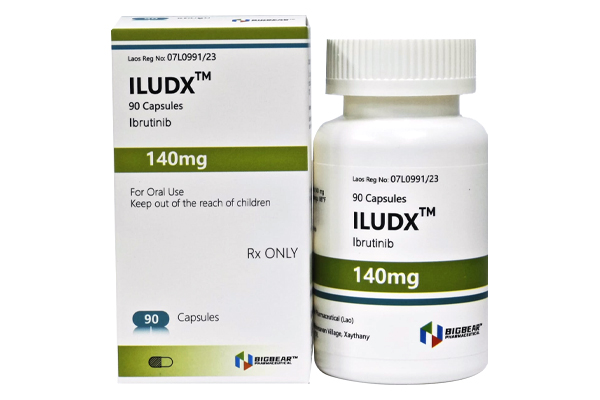
Ibrutinib (Imbruvica) is an oral Bruton's tyrosine kinase (BTK) inhibitor used to treat chronic lymphocytic leukemia (CLL)/small lymphocytic lymphoma (SLL), Waldenström macroglobulinemia (WM), and chronic graft-versus-host disease (cGVHD).
Indications for Ibrutinib:
1. Adult patients with chronic lymphocytic leukemia (CLL)/small lymphocytic lymphoma (SLL).
2. Adult patients with chronic lymphocytic leukemia (CLL)/small lymphocytic lymphoma (SLL) with 17p deletion.
3. Adult patients with Waldenström macroglobulinemia (WM).
4. Chronic graft-versus-host disease (cGVHD) in adults and children aged 1 year and older after failure of one or more systemic therapies.
Administration of Ibrutinib: Ibrutinib is administered orally once daily.
Precautions for Ibrutinib:
1. Bleeding; infection; arrhythmias, heart failure, and sudden death; hypertension; cytopenia; second primary malignancy; tumor lysis syndrome (TLS); and embryo-fetal toxicity.
2. Common adverse reactions in patients with B-cell malignancies (CLL/SLL and WM) include thrombocytopenia, diarrhea, fatigue, musculoskeletal pain, neutropenia, rash, anemia, bruising, and nausea.
3. Common adverse reactions in adult or pediatric patients with chronic graft-versus-host disease (cGVHD) include fatigue, anemia, bruising, diarrhea, thrombocytopenia, musculoskeletal pain, fever, muscle cramps, stomatitis, bleeding, nausea, abdominal pain, pneumonia, and headache.
Approval History of Ibrutinib (Imbruvica):
July 10, 2013: Submitted a New Drug Application (NDA) to the U.S. FDA for the treatment of two types of B-cell malignancies.
November 13, 2013: The FDA approved ibrutinib for the treatment of mantle cell lymphoma.
February 12, 2014: The FDA approved ibrutinib for the treatment of chronic lymphocytic leukemia (CLL).
July 28, 2014: The FDA expanded the approved use of ibrutinib to include the treatment of CLL.
January 29, 2015: The FDA expanded the approved use of ibrutinib to include the treatment of Waldenström macroglobulinemia (WMA).
March 4, 2016: The FDA approved ibrutinib for first-line treatment of CLL.
May 9, 2016: The U.S. FDA expanded the labeling of ibrutinib to include overall survival data for previously untreated chronic lymphocytic leukemia (CLL) and added small lymphocytic lymphoma (SLL) as a new indication.
January 19, 2017: The U.S. FDA approved ibrutinib as the first drug specifically for the treatment of relapsed/refractory marginal zone lymphoma (MZL).
August 2, 2017: The FDA approved ibrutinib for the treatment of chronic graft-versus-host disease.
August 27, 2018: The FDA approved ibrutinib in combination with rituximab for the treatment of patients with Waldenström macroglobulinemia.
January 28, 2019: The FDA approved ibrutinib in combination with olibutuzumab as the first non-chemotherapy combination for the treatment of treatment-naïve chronic lymphocytic leukemia (CLL).
April 21, 2020: The FDA approved ibrutinib in combination with rituximab for the treatment of CLL.
August 24, 2022: The FDA approved ibrutinib as the first and only BTK inhibitor for the treatment of chronic graft-versus-host disease in children aged 1 year and older.
April 6, 2023: Update on accelerated approval of ibrutinib in the United States for mantle cell lymphoma and marginal zone lymphoma.
On February 26, 2024, Johnson & Johnson announced an expansion of the labeling of ibrutinib in the United States, adding the oral suspension formulation to the list of adult patients for its approved indication.