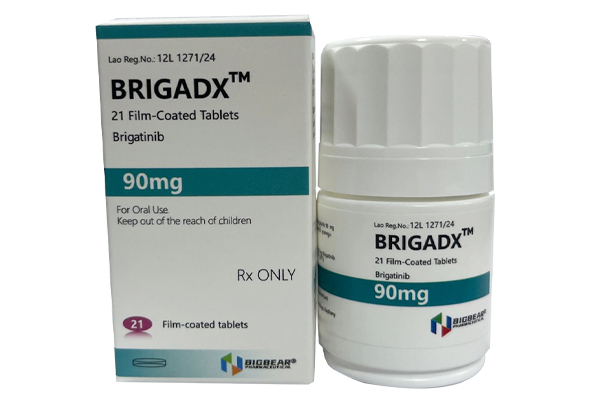
As one of the national standard pharmaceutical enterprises in Laos, Big Bear Pharmaceutical has launched a generic version of Brigatinib, manufactured under its newly GMP-certified production system, providing a quality-assured treatment option for ALK-positive non-small cell lung cancer patients.
What are the purchasing channels for Laos Big Bear version Brigatinib
Laos Big Bear version Brigatinib is available in 90mg*21 tablets/box and 180mg*21 tablets/box. For specific purchase methods, we recommend adding our professional customer service for detailed consultation.
Cardiovascular system effects of Brigatinib
During Brigatinib treatment, cardiovascular safety management is a critical component of clinical monitoring. This drug can cause significant blood pressure elevation, so physicians will measure baseline blood pressure before treatment initiation, conduct the first follow-up within two weeks after treatment starts, and thereafter monitor at least monthly. Hypertension often has an insidious onset, but some patients may experience warning signs such as headache, dizziness, blurred vision, chest discomfort, or shortness of breath; if these symptoms occur, the physician should be informed immediately. For mild to moderate hypertension, antihypertensive combination therapy is typically employed, and Brigatinib may need to be temporarily withheld, then resumed at a reduced dose after blood pressure is controlled; if hypertensive crisis or refractory severe hypertension occurs, permanent discontinuation is required. Meanwhile, bradycardia (slow heart rate) is also a relatively common rhythm issue, which may cause fatigue, dizziness, syncope, or even more severe hemodynamic compromise. Physicians will measure heart rate and blood pressure at each visit, and especially when patients start or change cardiac or antihypertensive medications, drug interactions may further exacerbate bradycardia, so it is essential to proactively provide a complete medication list to the physician. If patients experience dizziness, headache, or syncope, immediate medical evaluation is needed. Of note, some patients may have both hypertension and bradycardia simultaneously, making clinical presentation atypical; therefore, regular electrocardiographic monitoring and ambulatory blood pressure recording are particularly important. Throughout treatment, patients should avoid adjusting any cardiovascular medications on their own; all dose changes must be conducted under physician guidance to ensure the optimal balance between antitumor efficacy and cardiovascular safety.
Metabolic and musculoskeletal system risks of Brigatinib
Brigatinib not only acts on tumor cells but may also interfere with normal metabolic and muscular functions, leading to a series of side effects that require laboratory monitoring. First, hyperglycemia is a common and manageable metabolic abnormality; physicians will check fasting blood glucose levels before treatment and periodically during therapy, and for patients with pre-existing diabetes or glucose intolerance, hypoglycemic regimens may need adjustment. If patients experience new or worsening symptoms such as marked thirst, increased hunger, increased urination, weakness, fatigue, gastrointestinal discomfort, or lethargy, these may indicate significant blood glucose elevation and should be reported promptly. Depending on glycemic control, physicians may withhold dosing, reduce the dose, or add stronger hypoglycemic agents. Second, pancreatitis is another complication requiring high vigilance, characterized by elevated serum amylase and lipase levels, with clinical manifestations including right upper quadrant abdominal pain or pain radiating to the back, accompanied by anorexia, weight loss, and nausea. Physicians will routinely monitor pancreatic enzyme levels during treatment; once pancreatitis is confirmed, Brigatinib is usually paused, and after recovery, dose reduction or permanent discontinuation may be considered. In addition, elevated creatine phosphokinase (CPK) indicates muscle injury, possibly presenting as unexplained muscle pain, tenderness, or weakness, and in severe cases can lead to rhabdomyolysis. Regular blood tests to monitor CPK levels facilitate early detection; if new muscle symptoms or worsening of existing symptoms occur, the physician should be informed immediately. Depending on the degree of CPK elevation and clinical symptoms, the physician will decide whether to interrupt therapy and reassess whether to restart at a lower dose after values return toward baseline. These three metabolic and musculoskeletal parameters constitute important dimensions of Brigatinib safety monitoring; patients must cooperate in completing all scheduled blood draws and should not omit them due to lack of perceived discomfort.