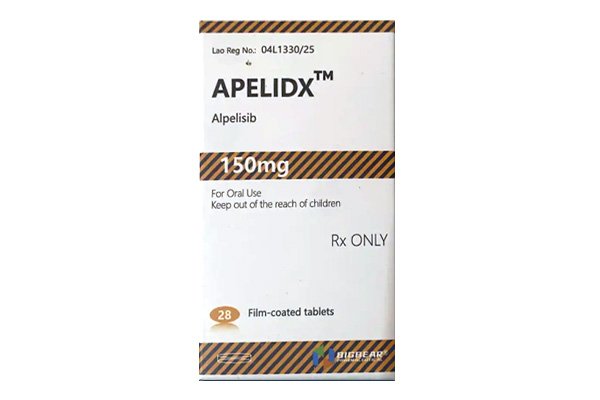
Mechanism of Action of Alpelisib
1. Selective inhibition of the phosphatidylinositol-3-kinase alpha isoform (PI3Kα). Mutations in the gene encoding PI3Kα (i.e., PIK3CA) are expressed in approximately 40% of hormone receptor‑positive, HER2‑negative breast cancers and lead to PI3Kα/Akt signaling, cell transformation, and tumorigenesis.
2. Inhibits phosphorylation of downstream targets of the PI3K/Akt pathway in breast cancer cell lines and exhibits activity in cell lines harboring PIK3CA mutations.
3. Blocks PI3K/Akt signaling and reduces tumor growth in mouse xenograft models bearing PI3Kα‑dependent tumors.
4. Inhibition of PI3K by alpelisib has been shown to induce estrogen receptor transcription in breast cancer cells.
5. The combination of alpelisib and the estrogen antagonist fulvestrant demonstrates greater antitumor activity than either agent alone in estrogen receptor‑positive breast cancer xenograft models harboring PIK3CA mutations.
6. Activating mutations in PIK3CA are also associated with inducing overgrowth and malformations that lead to PIK3CA‑related overgrowth spectrum disorders.
Important Reminders
1. Follow your physician's instructions carefully. It is recommended to take the medication with food.
2. If a dose is missed, take it as soon as you remember, up to 9 hours after the scheduled dosing time. If more than 9 hours have passed, skip the missed dose and take the next dose at the next regularly scheduled time. If vomiting occurs after taking the dose, take the next dose at the regular scheduled time; do not take an extra dose to make up for the vomited dose.
3. Risk of severe hypersensitivity reactions: Contact your clinician immediately if you experience signs or symptoms of hypersensitivity (e.g., difficulty breathing, flushing, rash, fever, tachycardia).
4. Risk of severe cutaneous adverse reactions (SCARs): Contact your clinician immediately if you experience signs or symptoms of SCARs (e.g., severe or progressive rash; redness; flu‑like symptoms; skin blistering or peeling; swollen lymph nodes; blisters on lips, eyes, or mouth).
5. Risk of hyperglycemia: Emphasize the importance of regular monitoring of fasting blood glucose and immediately report signs or symptoms of hyperglycemia (e.g., excessive thirst, dry mouth, frequent urination, increased appetite with weight loss).
6. Risk of interstitial lung disease or pneumonitis: Contact your clinician immediately if you experience any new or worsening respiratory symptoms (e.g., cough, shortness of breath, difficulty breathing, chest pain).
7. Risk of diarrhea and colitis: Severe diarrhea may lead to dehydration and acute kidney injury. Advise patients on how to manage diarrhea at the first sign of loose stools (e.g., oral rehydration, antidiarrheal agents). Inform your clinician if diarrhea occurs, and immediately notify your healthcare provider of any symptoms of colitis, such as abdominal pain and mucus or blood in the stool.
8. Alpelisib may cause hair loss.
9. Risk of fetal harm: Advise females of reproductive potential to use effective contraception during treatment with alpelisib and for ≥1 week after the last dose. Advise male partners of such females to use condoms and effective contraception during treatment and for ≥1 week after the last dose. Emphasize the importance of informing the clinician if the patient becomes pregnant or plans to become pregnant. Inform of the potential fetal risk if used during pregnancy.
10. Advise women to avoid breastfeeding during treatment and for ≥1 week after the last dose.
11. Alpelisib may impair fertility in males and females of reproductive potential.
12. It is important to inform your clinician about all current or planned concomitant therapies (including prescription drugs, over‑the‑counter medications, and dietary or herbal supplements) and any concomitant diseases (e.g., diabetes). If concomitant use of certain interacting drugs is unavoidable, close monitoring is required.