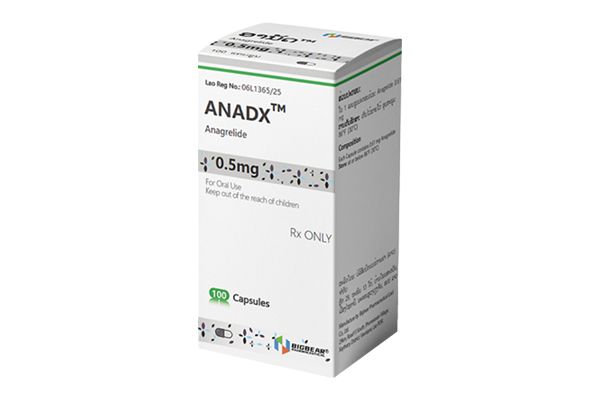
Anagrelide Use in Special Populations
1. Renal Impairment
In patients with moderate renal impairment, a single 1 mg dose showed an 8-fold increase in total exposure (AUC) of anagrelide.
In patients with severe renal impairment (creatinine clearance less than 30 mL/min), a single 1 mg dose had no significant effect on the pharmacokinetics of anagrelide.
2. Hepatic Impairment
Anagrelide is contraindicated in patients with severe hepatic impairment.
Patients with moderate hepatic impairment should receive a starting dose of 0.5 mg/day and maintain this dose for at least 1 week (during which cardiovascular effects should be carefully monitored). Dose increments should not exceed 0.5 mg/day within any 1-week period.
3. Children Under 7 Years of Age
Anagrelide has not been studied in pediatric patients under 7 years of age.
4. Dialysis
No relevant data available.
Anagrelide Dosage Adjustment Instructions
1. Most patients achieve an adequate response at daily doses of 1.5 to 3 mg.
2. Platelet count response usually begins within 7 to 14 days after reaching the appropriate dose.
Additional Information on Anagrelide
General: Upon abrupt discontinuation, platelet count elevation can be observed within 4 days and returns to pretreatment levels within 10 to 14 days.
Monitoring Requirements for Anagrelide
1. Hematology: Platelet count (every 2 days during the first week of therapy, then at least weekly until maintenance dose is established); hemoglobin and white blood cell count (first two weeks of therapy).
2. Liver function: Alanine aminotransferase (ALT) and aspartate aminotransferase (AST) (first two weeks of therapy).
3. Renal function: Serum creatinine and blood urea nitrogen (BUN) (first two weeks of therapy).
Important Reminder
If you experience shortness of breath, swelling in the legs or ankles, or bluish discoloration of the lips and skin (cyanosis), contact your doctor immediately.