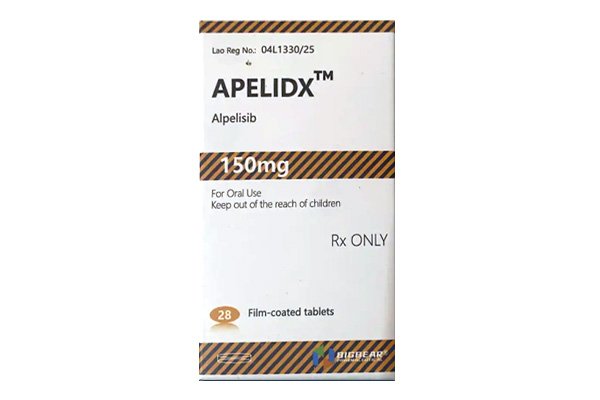
Apellixis is a targeted therapy for a specific type of breast cancer, developed by Novartis in Switzerland and approved by the US FDA in 2019.
Precautions for Apellixis Use
1. Severe Hypersensitivity Reactions
Severe hypersensitivity reactions (such as anaphylactic reactions, anaphylactic shock, angioedema) have been reported. Clinical manifestations may include dyspnea, flushing, rash, fever, and tachycardia.
If a severe hypersensitivity reaction occurs, apelixis should be permanently discontinued and supportive care should be initiated.
2. Skin Effects
Rashes (i.e., generalized, maculopapular, papular, or pruritic rashes) and severe skin adverse reactions (SCARs, such as erythema multiforme, Stevens-Johnson syndrome) have been reported.
In patients treated with apelixis, 52% reported a rash, with grade 3 rashes occurring in 20% of these cases. Post-marketing surveillance has also reported drug reactions (DRESS) accompanied by eosinophilia and systemic symptoms. Prophylactic use of oral antihistamines may reduce the incidence and severity of rashes.
If a rash of any grade occurs, consult a dermatologist. If signs and symptoms of a severe skin reaction occur (such as progressive rash, mucosal lesions, fever, lymphadenopathy, flu-like symptoms), apelelis treatment should be discontinued, the cause evaluated, and a dermatologist consulted.
If SCARs are diagnosed, apelelis should be permanently discontinued; patients who have previously experienced SCARs during apelelis treatment should not use it again. If SCARs are not diagnosed, dose adjustment, corticosteroids and/or oral antihistamines may be necessary, or treatment may need to be discontinued.
3. Hyperglycemia
Severe hyperglycemia (including ketoacidosis and hyperglycemic hyperosmolar nonketotic syndrome) has been reported, and can sometimes be fatal.
Fasting blood glucose levels should be monitored at least weekly for the first two weeks of treatment, then at least monthly, with increased monitoring frequency as clinically necessary.
For patients with risk factors for hyperglycemia, more frequent monitoring may be required in the initial weeks. HbA1c should be monitored every 3 months and as clinically necessary.
If hyperglycemia occurs, fasting blood glucose levels should be assessed at least twice weekly as clinically necessary until hyperglycemia is resolved.
Antihyperglycemic therapy should be initiated or optimized if necessary; after initiation of antihyperglycemic therapy, fasting blood glucose and/or blood glucose levels should be monitored at least weekly for 8 weeks, then at least every two weeks as clinically necessary.
Patients with a history of type 2 diabetes should be closely monitored; intensive antihyperglycemic therapy may be required. Safety has not been established in patients with type 1 diabetes or uncontrolled type 2 diabetes.
For patients receiving apelis in combination with fulvestrant, prophylactic use of metformin may be considered before initiation of treatment, depending on their hyperglycemic risk factors, gastrointestinal tolerance, and clinical condition.
4. Pneumonia
Serious pulmonary adverse reactions consistent with acute interstitial pneumonia and interstitial lung disease (ILD) have been reported.
If new or progressing respiratory symptoms (such as cough, dyspnea, hypoxemia, interstitial infiltration) occur, apelelis treatment should be discontinued and the patient evaluated for pneumonia or other causes of respiratory symptoms.
If pneumonia is diagnosed, apelelis should be permanently discontinued.
5. Diarrhea or Colitis
Diarrhea has been reported, sometimes severe and leading to dehydration, and in some cases may result in acute kidney injury or colitis.
Patients should be monitored for diarrhea and other symptoms of colitis, such as abdominal pain, mucus in stool, or bloody stool. If diarrhea occurs, appropriate treatment (such as antidiarrheal medication, rehydration) should be initiated.
6. Fetal/Neonatal Morbidity and Death
Possible fetal harm. Animal studies have demonstrated teratogenicity, causing embryo-fetal death and reduced fetal weight.
Pregnancy should be avoided during treatment. A pregnancy test should be performed before initiating apelelis treatment in women of childbearing potential. Women of childbearing potential should use effective contraception during treatment and for at least one week after discontinuation.
Male partners of women in this category should use condoms and other effective contraception during treatment and for at least one week after discontinuation of the drug.
If this drug is used during pregnancy or the patient becomes pregnant, they should be informed of the potential risks to the fetus.
Apelipsixid Use in Specific Populations
1. Pregnancy
May cause fetal harm.
2. Lactation
It is unknown whether apelipsixid is excreted into breast milk or affects breastfed infants or milk production. Breastfeeding should be discontinued during treatment and for at least one week after the last dose.
3. Women and Men of Childbearing Potential
Women of childbearing potential should use effective contraception during treatment and for at least one week after discontinuation of the drug.
Male partners of these women should use condoms and other effective contraception during treatment and for at least one week after discontinuation of the drug.
Animal studies have shown that apelipsixid may impair male and female fertility.
4. Pediatric Use
Safety and efficacy have not been established in children with breast cancer.
Safety and efficacy have not been established in pediatric patients under 2 years of age with PROS.
5. Elderly Use
Elderly patients ≥65 years of age with breast cancer: Efficacy was not significantly different from that in younger adults overall; however, the incidence of grade 3 or 4 hyperglycemia was increased in elderly patients.
Elderly patients ≥75 years of age with breast cancer: Due to limited experience, it was not possible to determine whether efficacy and safety were similar to those in younger adults; the incidence of hyperglycemia (including grade 3-4 hyperglycemia) was increased in patients ≥75 years of age.
Adult patients ≥65 years of age were not included in the EPIK-P1 study evaluating apelelix for PROS patients.
6. Hepatic Impairment
The pharmacokinetics of apelelix were not altered in patients with hepatic impairment (Child-Pugh A, B, or C).
7. Renal Impairment
The pharmacokinetics of apelelix were not altered in patients with mild to moderate renal impairment (creatinine clearance Clcr 30–89 mL/min).
The effect of severe renal insufficiency (Clcr < 30 mL/min) on pharmacokinetics has not been established.
Common Adverse Reactions of Apeliximab
Adverse reactions reported in ≥20% of breast cancer patients: elevated serum glucose, elevated serum creatinine, diarrhea, rash, decreased lymphocyte count, elevated gamma-glutamyl transferase, nausea, elevated alanine aminotransferase, fatigue, decreased hemoglobin, elevated lipase, decreased appetite, stomatitis, vomiting, weight loss, decreased calcium, decreased glucose, prolonged activated partial thromboplastin time, and alopecia.
Adverse reactions reported in ≥10% of PROS patients: diarrhea, stomatitis, and hyperglycemia.