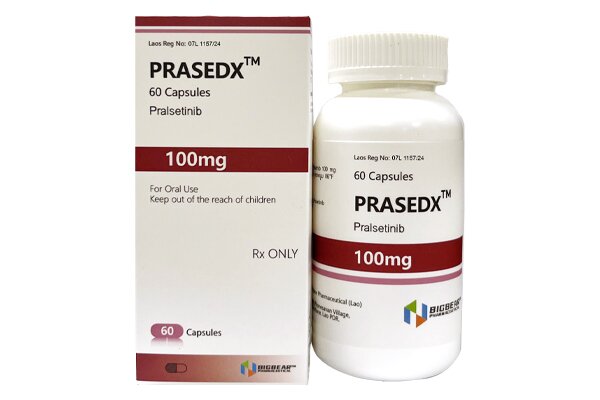
Pratinib is an oral tyrosine kinase inhibitor that, through its precise targeted mechanism of action, provides an important treatment option for adult patients with RET fusion-positive metastatic non-small cell lung cancer (NSCLC), as well as for pediatric patients aged 12 years and older and adult patients with RET fusion-positive advanced or metastatic thyroid cancer who require systemic therapy and are radioactive iodine-refractory (if radioactive iodine is appropriate).
Ways to Purchase Pratinib
Purchase at Hospital Pharmacies
It can be purchased directly under the guidance of a doctor. The doctor can provide precise recommendations based on the patient's condition, physical status, and medication history. At the same time, patients can receive immediate consultation on medication precautions, ensuring higher suitability. In some regions, Pratinib has been included in the medical insurance catalog. Purchasing directly from a hospital pharmacy allows for immediate medical insurance reimbursement, significantly reducing the patient's medication costs.
Purchase on Regular Online Medical Platforms
The purchase is convenient and efficient, allowing patients to complete the order without leaving home. This is particularly suitable for patients with limited mobility, those seeking medical treatment in another city, or those with a busy schedule. Online platforms often offer a relatively wider selection of drug specifications, allowing patients to choose the appropriate specification based on their needs and doctor's advice.
Patients must carefully verify the platform's qualifications. Choosing irregular online channels carries the risk of purchasing counterfeit or expired drugs, which can harm their health.
Recommendations for Other Treatment Modalities for Non-Small Cell Lung Cancer
Surgical Treatment
Applicable Patients:
Primarily for patients with early-stage non-small cell lung cancer (Stage I, Stage II), and some patients with Stage IIIA who are in good physical condition and have no distant metastasis. The goal is to remove the lesion surgically to achieve a clinical cure.
Common Surgical Procedures:
Includes lobectomy, pneumonectomy, segmentectomy, etc. The doctor will choose the appropriate surgical plan based on factors such as the lesion's location, size, and the patient's physical tolerance. Currently, thoracoscopic minimally invasive surgery is widely used due to its smaller trauma and faster recovery.
Precautions:
Comprehensive examinations are required before surgery to evaluate the patient's cardiopulmonary function, liver and kidney function, etc., and to rule out surgical contraindications. After surgery, proper wound care and respiratory care are necessary to prevent complications like infection and bleeding. Patients should also adhere to the doctor's advice for regular follow-ups to monitor for any recurrence.
Chemotherapy
Applicable Patients:
Encompasses patients with advanced non-small cell lung cancer, patients receiving adjuvant therapy after surgery (to eliminate residual cancer cells and reduce the risk of recurrence), and patients who are not candidates for surgery or targeted therapy. It is one of the traditional core methods in the clinical treatment of non-small cell lung cancer.
Treatment Method:
Chemotherapy drugs are administered via intravenous infusion, oral intake, etc. The drugs circulate throughout the body via the bloodstream to inhibit or kill cancer cells. Commonly used drugs include pemetrexed, cisplatin, carboplatin, etc., often used in combination regimens to enhance efficacy.
Precautions:
Chemotherapy drugs have certain toxic side effects and may cause nausea, vomiting, hair loss, bone marrow suppression, etc. During treatment, patients need close monitoring of their physical reactions. Use antiemetics, leukocyte-boosting agents, etc., as prescribed by the doctor to alleviate discomfort. Ensure nutritional intake during chemotherapy to enhance the body's tolerance, and pay attention to rest, avoiding excessive fatigue.
Radiotherapy
Applicable Patients:
Can be used for curative radiotherapy in patients with locally advanced non-small cell lung cancer, as well as for postoperative adjuvant radiotherapy and palliative radiotherapy in advanced-stage patients (to alleviate symptoms like pain, hemoptysis, dyspnea, and improve quality of life). In some cases, it can be combined with chemotherapy to enhance the treatment effect.
Treatment Method:
Utilizes high-energy rays (such as X-rays, γ-rays) to precisely irradiate the lesion area, damaging the DNA of cancer cells and inhibiting their proliferation. During treatment, positioning technology is needed to ensure the accuracy of the rays and minimize damage to surrounding normal tissues.
Precautions:
Side effects during radiotherapy may include radiation pneumonitis, radiation esophagitis, and skin reactions. Protective measures should be taken, such as keeping the skin clean and avoiding spicy and irritating foods. Regular follow-up imaging examinations are needed to evaluate the effectiveness of radiotherapy and adjust the treatment plan promptly.