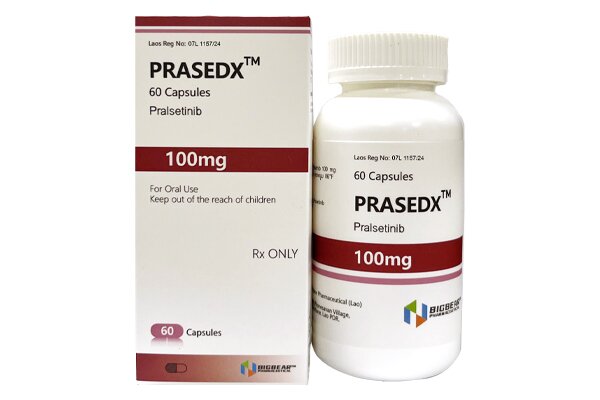
Ponatinib is an oral tyrosine kinase inhibitor available in tablet form. It is indicated for the treatment of hematologic malignancies such as Philadelphia chromosome-positive chronic myeloid leukemia and acute lymphoblastic leukemia. Through its inhibitory effect on various resistant mutations, it provides a treatment option for some patients with refractory leukemia.
Price of Ponatinib
The price of Ponatinib ranges from 74 to 401 US dollars. The price difference mainly stems from factors such as the drug's version, specification, purchasing region, and sales channels. As prices are subject to fluctuations due to various factors, please consult professionals for accurate and specific pricing information.
Daily Care for Leukemia Patients
Dietary Care
Ensure a balanced nutritional intake, prioritizing foods high in protein, calories, and vitamins, such as lean meat, eggs, milk, fish, shrimp, fresh vegetables, and fruits. This provides sufficient energy for the body, enhances resistance, and helps combat the disease and the damage caused by treatment.
Follow a light and easily digestible diet. Avoid spicy, stimulating, greasy, raw or cold, and hard or rough foods. This reduces irritation to the gastrointestinal tract, lowering the risk of digestive tract bleeding and infection. This is particularly suitable for patients experiencing significant gastrointestinal reactions after chemotherapy.
Strictly pay attention to food hygiene. Ingredients must be thoroughly washed and cooked. Avoid eating raw or cold food, unclean food, or spoiled food to prevent intestinal infections. Leukemia patients have low immunity, and infections can lead to serious complications.
Eat smaller meals more frequently to avoid abdominal bloating and nausea caused by eating too much at once. Adjust meal times flexibly based on the patient's appetite and physical sensations. If nausea or vomiting occurs during chemotherapy, antiemetic medication can be taken appropriately before meals.
Ensure adequate fluid intake, no less than 1500-2000 milliliters per day. Drink warm water, weak tea, or light soups appropriately to promote metabolism and alleviate discomforts caused by chemotherapy drugs, such as kidney damage and dry mouth.
Daily Routine and Environmental Care
Establish a regular daily routine and ensure sufficient sleep every day, with no less than 7-8 hours of sleep per night. Avoid staying up late and excessive fatigue to allow the body adequate rest, which is conducive to the recovery of bone marrow function and the enhancement of immunity.
Engage in moderate physical exercise. Choose gentle forms of exercise based on the patient's physical condition, such as walking, Tai Chi, or slow indoor walking. Avoid strenuous exercise. Control each exercise session to within 30 minutes, 3-4 times a week, to enhance physical fitness while avoiding bleeding caused by excessive activity.
Keep the living environment clean and well-ventilated. Open windows for ventilation 2-3 times daily, 30 minutes each time, to maintain fresh indoor air and reduce the growth of bacteria and viruses. Regularly clean and disinfect the living environment, especially frequently touched surfaces like doorknobs and tabletops.
Avoid going to crowded public places such as shopping malls, stations, or hospitals. Wear a mask when going out and take protective measures to reduce the risk of cross-infection. Pay attention to weather changes and adjust clothing promptly to prevent colds.
Maintain good personal hygiene. Wash hands frequently, change clothes regularly, and keep skin clean and dry. Perform oral care daily, rinsing the mouth with saline or mouthwash after meals to avoid oral infections. For patients on long-term bed rest, turn them over and pat their backs regularly to prevent pressure ulcers and hypostatic pneumonia.
Psychological Care
Family members should communicate more with the patient, patiently listen to their inner feelings, and understand the anxiety, fear, depression, and other emotions brought on by the illness. Provide psychological comfort and emotional support, encouraging the patient to express their needs and avoid emotional suppression.
Encourage the patient to participate in patient support groups or related social activities, share treatment experiences and feelings with other patients, and encourage and support each other. This reduces feelings of isolation and enhances psychological adaptability.
Family members should provide ample companionship and care, creating a warm and harmonious family atmosphere. Avoid making the patient feel neglected or pressured. Guide the patient to cultivate hobbies, such as listening to music, reading, or watching movies, to divert attention and alleviate the psychological stress associated with treatment.