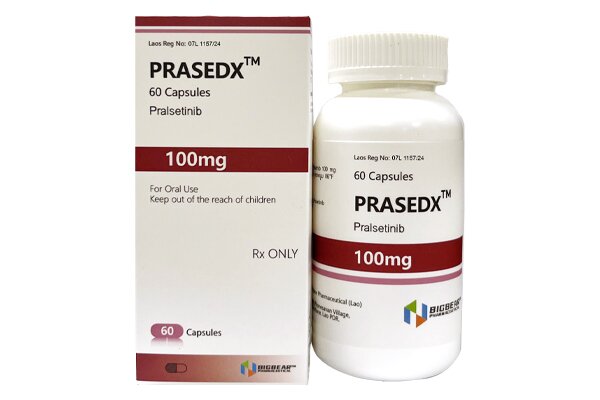
Pratinib is an oral tyrosine kinase inhibitor available in capsule form. It is primarily used for the treatment of adult patients with rearranged during transfection (RET) fusion-positive locally advanced or metastatic non-small cell lung cancer who have previously received platinum-based chemotherapy, as well as for pediatric patients aged 12 years and older and adult patients with RET fusion-positive advanced or metastatic thyroid cancer who require systemic therapy and are radioactive iodine-refractory (if radioactive iodine is appropriate).
Price of Pratinib
The price of Pratinib ranges from 226 to 502 US dollars. The price difference mainly stems from factors such as the drug's version, specification, and purchasing channel. Pricing policies and import/export tax rates in different countries and regions can also affect the final selling price. For accurate information, please consult professional doctors, pharmacists, or regular medical institutions.
Daily Care for Non-Small Cell Lung Cancer Patients
Dietary Care
Ensure a balanced nutritional intake, prioritizing easily digestible foods high in protein and vitamins, such as lean meat, eggs, milk, fresh vegetables, and fruits. This provides the body with sufficient energy and nutrients, enhancing the body's resistance.
Avoid spicy, stimulating, greasy, and raw or cold foods. Such foods may irritate the gastrointestinal tract and aggravate physical discomfort. This is particularly important for patients experiencing significant gastrointestinal reactions after chemotherapy.
Follow the principle of eating smaller meals more frequently to avoid abdominal bloating and nausea caused by eating too much at once. Adjust meal times and portions flexibly based on the patient's appetite and physical sensations.
Ensure adequate fluid intake, no less than 1500 milliliters per day. Drink warm water, weak tea, or soups appropriately to promote metabolism and alleviate potential dryness symptoms caused by medications.
Daily Routine and Lifestyle Care
Establish a regular daily routine and ensure sufficient sleep every day, with no less than 7-8 hours of sleep per night. Avoid staying up late and excessive fatigue to allow the body adequate rest, which is conducive to recovery.
Engage in moderate physical exercise. Choose appropriate forms of exercise based on the patient's physical condition, such as walking, Tai Chi, or strolling. Avoid strenuous exercise. Control each exercise session to within 30 minutes, 3-4 times a week, to enhance physical fitness.
Keep the living environment clean and well-ventilated. Open windows for ventilation 2-3 times daily, 30 minutes each time, to maintain fresh indoor air, reduce the growth of bacteria and viruses, and lower the risk of infection.
Pay attention to personal hygiene. Wash hands frequently, change clothes regularly, and keep skin clean and dry. Oral care is especially important; rinse the mouth promptly after meals to avoid oral infections. For patients on long-term bed rest, turn them over and pat their backs regularly to prevent pressure ulcers and hypostatic pneumonia.
Condition Monitoring Care
Closely observe the patient's physical symptoms, such as coughing, expectoration, hemoptysis, chest pain, and dyspnea. If symptoms worsen or new discomforts appear, record them promptly and inform the doctor to adjust the treatment plan in a timely manner.
Regularly monitor vital signs, including temperature, blood pressure, heart rate, and respiration. Measure and record them daily. If persistent fever or abnormal blood pressure occurs, seek medical attention promptly to investigate the cause.
Strictly adhere to the doctor's instructions regarding medication timing and dosage. Do not change the dosage or stop medication without authorization. Record any reactions after taking medication, such as skin rash, diarrhea, or dizziness, and report them to the doctor promptly.
Accompany the patient to the hospital on time for follow-up appointments, including imaging examinations, blood routine tests, and liver and kidney function tests. Assist the doctor in accurately assessing the disease's progress and adjusting the care plan accordingly.
Psychological Care
Communicate more with the patient, listen patiently to their thoughts, and understand their inner feelings of anxiety and fear. Provide psychological comfort and support, encouraging the patient to express their feelings to relieve psychological pressure.
Explain disease-related knowledge, treatment plans, and recovery cases to the patient. Help the patient correctly understand the disease and build confidence in overcoming it, avoiding negative emotions caused by misunderstanding the condition.
Encourage the patient to participate in social activities or patient support groups, share experiences and feelings with other patients, reduce feelings of isolation, and enhance psychological adaptability.
Family members should provide ample companionship and care, creating a warm and harmonious family atmosphere. Avoid making the patient feel neglected, and help them maintain a positive and optimistic attitude.