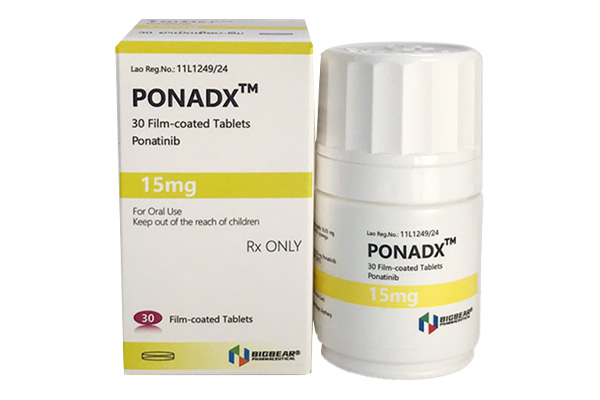
Ponatinib is available in hospital pharmacies in the countries or regions where it is marketed, as well as in authorized local pharmacies.
How to Purchase Ponatinib
Patients typically need to obtain it through the following legitimate channels:
1. Overseas Medical Treatment: Patients can travel to countries or regions where the drug is approved, such as the United States and some European countries, to seek medical treatment at hospitals. After being assessed and prescribed by a qualified oncology specialist, patients can purchase the drug at local pharmacies.
2. Reputable Medical Service Institutions: Some reputable medical service institutions may provide cross-border referral and drug acquisition consultation services for eligible patients.
3. Participation in Clinical Trials: Patients can look for domestic clinical trial projects related to ponatinib or similar new drugs and register through official channels. If successfully enrolled, patients can receive free drug treatment and professional medical monitoring.
Ponatinib Dosage and Administration
1. Newly diagnosed Philadelphia chromosome-positive (Ph+) acute lymphoblastic leukemia (ALL) (combined with chemotherapy)
(1) Starting dose: 30 mg once daily, orally.
(2) Dose adjustment: Upon achieving minimal residual disease-negative complete remission after induction therapy, the dose should be reduced to 15 mg once daily.
2. Philadelphia chromosome-positive (Ph+) acute lymphoblastic leukemia (ALL) monotherapy (no other TKI applicable or T315I positive)
Starting dose: 45 mg once daily, orally.
3. Chronic phase chronic myeloid leukemia (CML) (CP-CML, resistant/intolerant to at least two prior TKIs)
(1) Starting dose: 45 mg once daily, orally.
(2) Dose adjustment: Upon achieving ≤1% BCR::ABL1, the dose should be reduced to 15 mg once daily.
4. Accelerated or blast crisis chronic myeloid leukemia (CML) (AP/BP-CML, no other TKIs applicable) and T315I-positive chronic myeloid leukemia (CML)
(1) Starting dose: 45 mg once daily, orally.
(2) Administration: Can be taken with food or on an empty stomach. Should be swallowed whole; do not crush, break, chew, or dissolve. If a dose is missed, take the next dose at the usual time the following day. Do not double the dose.
Adverse reactions of Ponatinib
1. Common adverse reactions (>20%)
(1) Monotherapy
Rash, arthralgia, abdominal pain, headache, constipation, dry skin, hypertension, fatigue, edema, fever, nausea, pancreatitis/elevated lipase, bleeding, anemia, liver dysfunction.
(2) Combined Chemotherapy
Hepatic dysfunction, arthralgia, rash, headache, fever, abdominal pain, constipation, fatigue, nausea, stomatitis, hypertension, pancreatitis/elevated lipase, peripheral neuropathy, bleeding, febrile neutropenia, edema, vomiting, paresthesia, arrhythmia.
2. Serious Adverse Reactions
Arterial/venous thrombotic events, heart failure, hepatotoxicity, hypertension, pancreatitis, neuropathy, ocular toxicity, bleeding, myelosuppression, etc.
Precautions for Ponatinib
1. Vascular occlusion events
This is one of the most serious adverse reactions of ponatinib, including arterial and venous thrombosis. It can manifest as myocardial infarction, stroke, peripheral artery disease, etc., and can even occur in young patients with no history of cardiovascular disease. Monitor for related symptoms (such as chest pain, dyspnea, limb pain/swelling, slurred speech, etc.) during treatment, and seek immediate medical attention if any occur.
2. Cardiotoxicity
May cause heart failure, arrhythmias (such as atrial fibrillation), etc. Patients should be monitored for symptoms such as shortness of breath, chest pain, palpitations, dizziness, or syncope.
3. Hepatotoxicity
May lead to elevated liver enzymes, liver failure, and even death. Liver function needs to be monitored regularly during treatment. Jaundice, dark urine, unusual fatigue, or bleeding tendencies should be reported immediately.
4. Hypertension
Hypertension is common and can be serious. Blood pressure needs to be routinely monitored during treatment, and antihypertensive drugs should be used as prescribed. If blood pressure is not well controlled, the dose of ponatinib may need to be adjusted.
5. Pancreatitis
Manifests as abdominal pain, nausea, and vomiting, often accompanied by elevated serum amylase or lipase. Immediate examination is necessary if related symptoms appear, and medication should be adjusted according to the severity.