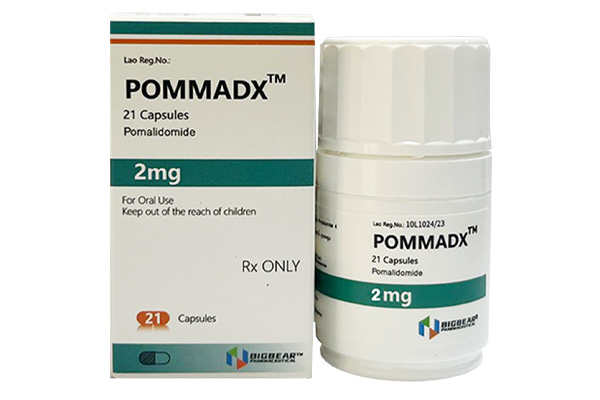
Pomalidomide is associated with a range of adverse reactions, some of which may be fatal. It is crucial to strictly follow the prescribed dosage and medical instructions during treatment. Listed below are the known and clinically important adverse reactions of this drug.
Common Adverse Reactions
Reproductive System Disorders
Embryo/fetal toxicity (fetal malformation, stillbirth, etc.), pelvic pain
Blood and Lymphatic System Disorders
Neutropenia, thrombocytopenia, leukopenia, febrile neutropenia
Cardiovascular System Disorders
Venous and arterial thromboembolism, hypotension, myocardial infarction, atrial fibrillation, angina pectoris, congestive heart failure
General and Administration Site Conditions
General physical health deterioration, non-cardiac chest pain, multiple organ failure
Infections and Infestations
Upper respiratory tract infection, pneumocystis pneumonia, respiratory syncytial virus infection, sepsis with neutropenia, bacteremia, cellulitis, urosepsis, septic shock, pseudomembranous colitis, Streptococcus pneumoniae infection, lobar pneumonia, viral infection, pulmonary infection, hepatitis B virus reactivation, herpes zoster
Hepatobiliary Disorders
Hyperbilirubinemia, hepatic failure (including fatal events), elevated liver enzymes
Renal and Urinary Disorders
Renal failure, urinary retention, hyponatremia
Gastrointestinal Disorders
Diarrhea, constipation, nausea, vomiting
Musculoskeletal and Connective Tissue Disorders
Back pain, bone pain, muscle spasms, arthralgia, pain in extremities, compression fracture, spinal compression fracture
Respiratory, Thoracic and Mediastinal Disorders
Dyspnea, cough, interstitial lung disease, pulmonary embolism, respiratory failure, bronchospasm
Nervous System and Psychiatric Disorders
Peripheral neuropathy, dizziness, headache, tremor, decreased level of consciousness, syncope, altered mental status
Immune System Disorders
Hypersensitivity reactions, solid organ transplant rejection
Skin and Subcutaneous Tissue Disorders
Rash, pruritus, hyperhidrosis, Stevens-Johnson syndrome, toxic epidermal necrolysis, drug reaction with eosinophilia and systemic symptoms (DRESS)
Metabolism and Nutrition Disorders
Decreased appetite, hypokalemia, hyperkalemia, hypocalcemia, growth retardation
Neoplastic Disorders
Tumor lysis syndrome, second primary malignancies (e.g., myeloid leukemia), basal cell carcinoma, cutaneous squamous cell carcinoma
Laboratory Abnormalities
Elevated alanine aminotransferase, elevated aspartate aminotransferase, lymphopenia
Clinical Management of Adverse Reactions
If any of the above adverse reactions occur after administration, patients should promptly inform their physician or pharmacist. The healthcare provider will assess the severity of the reaction and implement appropriate interventions. Mild, tolerable adverse reactions may not require specific treatment. For persistent or severe reactions, symptomatic treatment will be provided, and the physician will determine whether to modify the therapeutic regimen based on the patient’s clinical condition.