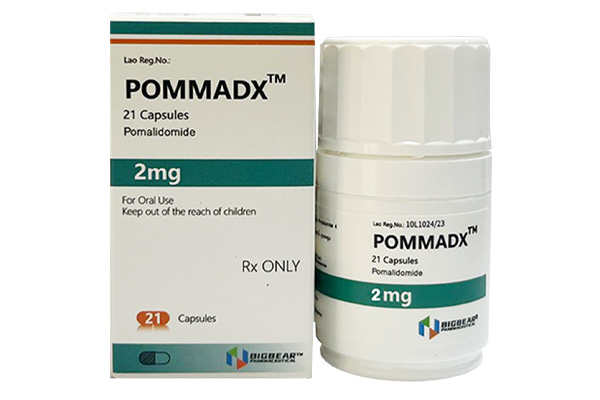
Contraindications of Pomalidomide
Pomalidomide is a prescription drug and must be used strictly in accordance with the prescribing information. The following groups of patients are generally contraindicated or should use this drug with caution; specific advice should be obtained from a physician.
Contraindicated Populations
Patients with hypersensitivity to any component of pomalidomide are contraindicated. Pregnant women are contraindicated.
Populations for Cautious Use
For patients with hepatic or renal impairment, or underlying medical conditions (such as hypertension, diabetes, heart disease, etc.), consultation with a healthcare professional is recommended. If you are breastfeeding or taking other medications, inform your physician promptly and consult to select the optimal treatment plan.
Special Use Considerations for Pomalidomide
Embryo-Fetal Toxicity
Thalidomide is known to be teratogenic in humans, and pomalidomide is a thalidomide analog; therefore, pomalidomide may cause fetal birth defects or embryo/fetal death. Females of reproductive potential must undergo two pregnancy tests before initiating treatment, and both results must be negative. Two effective methods of contraception must be used simultaneously, or complete abstinence from heterosexual intercourse must be maintained, during treatment and for 4 weeks after treatment ends.
Venous and Arterial Thromboembolism
Deep vein thrombosis (DVT), pulmonary embolism (PE), myocardial infarction, and stroke have occurred in patients with multiple myeloma treated with pomalidomide. Prophylactic antithrombotic therapy is recommended during treatment.
Pharmacokinetics of Pomalidomide
Pharmacokinetics
In patients with multiple myeloma, the plasma elimination half-life of pomalidomide is approximately 7.5 hours. Peak plasma concentrations are reached approximately 2 to 3 hours after oral administration, with a maximum concentration of about 75 ng/mL.
Pharmacology and Toxicology
Pharmacodynamics
Pomalidomide, a thalidomide analog, exhibits immunomodulatory, anti-angiogenic, and anti-tumor activities. In in vitro cellular assays, pomalidomide inhibits the proliferation of hematologic tumor cells and induces apoptosis, suppresses proliferation of lenalidomide-resistant multiple myeloma cell lines, and synergistically induces apoptosis of lenalidomide-sensitive or -resistant tumor cells in combination with dexamethasone.
In addition, pomalidomide enhances T-cell and natural killer cell-mediated immune responses, inhibits pro-inflammatory cytokine production (such as TNF-α and IL-6) by monocytes, and augments tumor cell killing.
Toxicology Studies
No obvious genotoxicity of pomalidomide was observed in animal studies; however, reproductive toxicity was detected. Reproductive toxicity has also been reported in post-marketing experience and clinical trials.